
When homeowners ask what window features matter most for long term durability, the answer goes far beyond appearance or price. Windows are long term investments that affect comfort, energy bills, home protection, and overall performance for decades. In California and other regions with intense sun, seasonal rain, and wide temperature swings, choosing durable windows is not optional, it is essential.
The best windows are built as complete systems. Frame materials, glass type, sealing methods, and professional installation all work together to ensure windows perform consistently year after year. Poor choices in any one area can lead to air leaks, heat transfer issues, rising energy bills, and early replacement.
This guide breaks down the most important features that influence durability, energy efficiency, and performance. It also explains how different window styles, including popular options like double hung windows and bay windows, frame materials, and glass technologies affect long term results so homeowners can make confident decisions when selecting new windows or planning a replacement window project.
Why Window Durability Should Matter to Every Homeowner
Durable windows protect your home from the elements while maintaining consistent indoor temperatures. When windows fail prematurely, homeowners often notice drafts, condensation, increased cooling bills, and uncomfortable rooms. These issues may start small but grow into expensive problems over time.
Windows that last help reduce energy bills by minimizing heat transfer and preventing air infiltration. Efficient windows also reduce strain on heating and cooling systems, allowing HVAC equipment to operate more efficiently and last longer. In climates with extreme temperatures, durable windows make a measurable difference in year round comfort.
Long lasting windows also improve a home’s curb appeal. Sagging sashes, faded frames, and fogged glass detract from appearance and resale value. Choosing durable materials and energy efficient options ensures windows look good and perform well for decades.
Ultimately, windows are not just visual features. They are functional components that influence comfort, efficiency, and long term home value. This applies not only to windows but also to other exterior elements such as garage doors, which should be considered as part of your home’s overall durability and aesthetic.
The Top 5 Features That Impact Long Term Window Durability
1 | Frame Material, The Foundation of Strength
The window frame is the structural backbone of every window. Frame materials determine how well windows resist warping, moisture damage, and expansion caused by heat. Poor frame performance often leads to seal failure, air leaks, and reduced structural integrity.
Vinyl windows are widely used due to their affordability and low maintenance requirements. High quality vinyl frames resist moisture, do not require painting, and perform well in many climates. However, not all vinyl frames are equal. Thicker, reinforced vinyl performs significantly better in extreme temperatures than lower grade options.
Vinyl frames are especially popular in replacement windows because they integrate well with existing frame openings and provide consistent insulation. Their low maintenance nature makes them attractive for homeowners seeking durable, stress free solutions.
Wood frame windows offer natural beauty and strong insulation properties. Wood windows work well in traditional and architectural styles but require regular maintenance. Without proper care, wood can absorb moisture and deteriorate over time. Well maintained wood windows can last decades, but neglect shortens lifespan significantly.
Fiberglass and composite frame materials provide excellent durability and dimensional stability. These durable materials resist expansion and contraction, making them ideal for areas with extreme temperatures. Composite frames combine strength and low maintenance, offering reliable long term performance.
Frame materials directly influence how windows perform, how long they last, and how well they support glass, hardware, and seals.
2 | Glass Type, Not All Panes Are Created Equal
Glass type plays a critical role in determining how windows perform over time. Modern glass technology improves durability, insulation, and energy savings while protecting seals from stress.
Double pane windows use two layers of glass separated by gas fills. This design reduces heat transfer and improves insulation compared to single pane options. Double pane windows remain a standard choice for many homeowners due to their balance of performance and cost.
Triple pane glass adds a third layer, further improving insulation and reducing solar heat gain. Triple pane systems are especially effective in reducing noise and maintaining consistent indoor temperatures. Homes exposed to strong sun or colder winters benefit greatly from triple pane glass configurations.
Gas fills, such as argon gas and krypton gas, are sealed between panes to improve thermal performance. Gas fills reduce heat transfer and help windows maintain efficiency for longer periods. Quality gas fills also reduce stress on seals, extending overall window lifespan.
Low E coatings and low e glass technology reflect infrared heat while allowing natural light to pass through. Low e coatings protect interior furnishings from UV damage and improve energy efficiency without darkening rooms. This glass type is especially valuable in homes with large window openings or high sun exposure.
The right glass type ensures windows remain efficient, comfortable, and durable for decades.
3 | Weather Resistance and Sealing, The Hidden Protectors
Even the best frame and glass combination can fail without proper sealing. Weather resistance is one of the most overlooked durability factors.
High quality windows use advanced sealing systems to prevent air leaks and air infiltration. Proper sealing keeps moisture out and prevents drafts that increase energy bills and cooling costs.
Durable weatherstripping materials maintain flexibility over time and resist cracking. Inferior sealing materials degrade quickly, allowing heat transfer and moisture intrusion that damage the existing frame and surrounding structure.
UV resistant exterior finishes protect frames from fading and surface damage caused by constant sun exposure. In regions with intense sunlight, these finishes play a major role in long term appearance and durability.
Well sealed windows also protect against noise intrusion, improving interior comfort and allowing windows to perform consistently across seasons.
4 | Quality of Hardware and Operational Design
Hardware components are essential to long term window performance. Hinges, locks, and opening mechanisms must withstand daily use without loosening or corroding.
Window styles influence how hardware is designed and how windows open outward or slide. Casement windows open outward using hinges, while sliding windows depend on smooth sash slides to function properly. Double hung windows, one of the most common types, feature sashes that slide vertically and require hardware designed for smooth operation and durability.
Durable hardware ensures windows open and close smoothly without sagging. Poor quality hardware leads to alignment issues, security concerns, and premature wear.
Operational design also affects ease of maintenance. Tilt features and accessible tracks make cleaning easier and reduce stress on moving components. Well designed windows perform better and require less regular maintenance over time.
5 | Warranties and Certifications, Proof of Durability
Strong warranties indicate manufacturer confidence. Long term warranties on frames, glass, and hardware protect homeowners and often increase resale value.
Energy Star certified windows meet strict efficiency standards and are tested for climate specific performance. Energy star ratings help homeowners choose efficient windows that reduce energy bills and improve comfort.
The National Fenestration Rating Council provides standardized performance ratings, including U factor, solar heat gain, and heat transfer measurements. These ratings allow homeowners to compare energy efficient options objectively.
Certifications and testing results provide measurable proof that windows will perform as promised.
Choosing the Best Window for Your California Home
Climate Considerations
California homes face sun exposure, heat, and seasonal rain. Windows must resist UV damage, moisture, and thermal stress. Fiberglass, composite, and high quality vinyl frames paired with low e glass and gas fills offer excellent performance in these conditions.
Maintenance Expectations
Low maintenance windows save time and money. Vinyl windows and fiberglass options require minimal upkeep while maintaining performance. Wood windows require more care but reward homeowners with timeless beauty when properly maintained.
Customization and Aesthetic Longevity
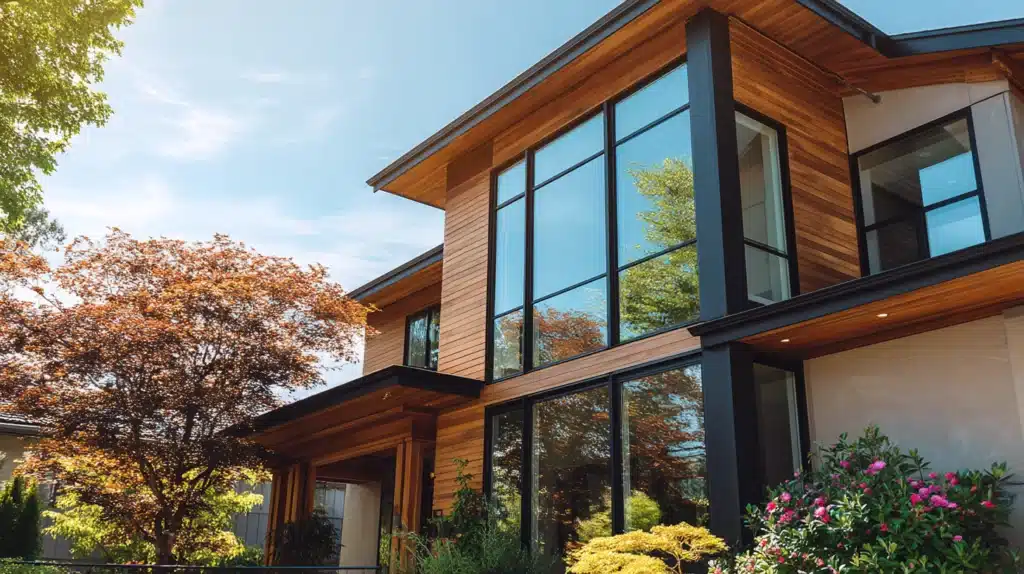
Modern window designs offer custom options that maintain durability without sacrificing appearance. Grid patterns, frame colors, and window styles, including bay windows and picture windows, should complement architectural styles while maintaining long term structural integrity and curb appeal.
Professional Installation, Why It Is Just as Important as the Product
Even the best windows fail without professional installation. Improper installation leads to air leaks, moisture intrusion, and reduced energy savings.
Professional installers understand installation details such as flashing, leveling, and sealing. Proper installation protects the existing frame and ensures windows perform as designed.
Installation costs vary based on window types, size, and complexity, but quality installation prevents costly future repairs. Understanding replacement windows cost, including installation, helps homeowners budget effectively. Professional installers ensure windows perform efficiently and remain stress free investments for homeowners.
FAQs, Long Lasting Windows and Energy Efficiency
How long should high quality windows last?
With proper materials and professional installation, windows can last 25 to 50 years.
Are triple pane windows worth it?
Triple pane glass improves insulation and energy savings, especially in extreme temperatures.
Can replacing windows improve energy efficiency?
Yes, new windows significantly improve energy efficiency and reduce energy bills when replacing outdated units.
Do energy efficient windows really save energy?
Energy efficient windows reduce heat transfer, lower cooling bills, and improve comfort.
Final Thoughts, Choosing Windows That Go the Distance
Understanding what window features matter most for long term durability helps homeowners make smart investments. Frame materials, glass type, sealing systems, and professional installation all contribute to how windows perform over time.
The best windows combine durable materials, energy efficient design, and proven certifications. Whether selecting vinyl windows, wood windows, or composite options, focusing on performance ensures long lasting comfort, energy savings, and curb appeal.
Choosing the right windows today protects your home for decades to come. Remember to consider the reputation of the window brand you choose, as this often reflects product quality and warranty support, ensuring your investment is well protected.