
Key Takeaway
The most common roof problems to fix before El Niño are active leaks, missing or damaged shingles and tile, failed flashing and pipe boots, deteriorated underlayment, blocked gutters and drains, ponding on flat roofs, and soft or sagging decking. Heavy rain does not create these defects – it finds the ones already there. NOAA’s September 2026 advisory puts the chance of a very strong El Niño event at greater than 90%, making fall the right time to inspect and repair before sustained winter rain arrives.
If you’ve been watching the forecast and wondering whether your roof can handle a wet winter, the short answer is that heavy rain almost never creates the problem. It finds the one that was already there. El Niño roof preparation comes down to a short list of defects: active or previously repaired roof leaks, missing shingles and cracked tile, failed flashing and pipe boots, exposed underlayment, blocked gutters and drains, ponding or open seams on flat roofs, and any soft or sagging roof deck.
- Active or previous roof leaks, including old water stains that dried up
- Missing shingles, lifted tabs, and cracked or slipped tile
- Failed flashing and roof penetrations
- Exposed or deteriorated underlayment
- Blocked or damaged drainage
- Ponding water and membrane defects on flat roofs
- Soft, rotted, or sagging decking
Two things worth defining before we go further. El Niño is a seasonal climate pattern, not a single storm marked on a calendar. And most moisture intrusion starts at pre-existing weak points that sustained heavy rain simply exposes.
What Does El Niño Actually Mean for Roseville Roofs?
Forecast status as of September 10, 2026: NOAA’s Climate Prediction Center has the ENSO Alert System at El Niño Advisory, with a greater than 90% chance of a very strong El Niño event during fall and winter 2026 to 2027, the kind of pattern forecasters informally call a super El Niño, and a 75% chance the October through December RONI value reaches at least +2.5°C. NOAA’s next scheduled diagnostic discussion is October 8, 2026, so treat these figures as time-stamped.
Here’s the part most El Niño roof advice leaves out. The National Weather Service office in Sacramento states there is little correlation between Northern California precipitation and most ENSO patterns. A NOAA-hosted study of 1901 to 2010 precipitation found that 8 of 10 moderate-to-strong El Niños placed Southern California in the wettest late-winter tercile, while Northern California landed mostly in the middle. A great deal of what you’ll read online was written for Southern California homeowners in Orange County or San Diego, where the signal is measurably stronger than ours and where Santa Ana winds shape a different set of roof concerns entirely.
That doesn’t mean Roseville gets a pass. It means your El Niño roof preparation should be built around your roof’s condition rather than around a seasonal probability. An ordinary Sacramento Valley rainy season of steady, wind-driven rain is more than enough to find a weak spot. Valley summer heat and UV exposure age sealants, rubber pipe boots, and surface materials month after month. That’s exactly why fall is the right time to look, well before the winter rains arrive.
Is Water Already Getting In? Signs to Check Before the Next Major Storm
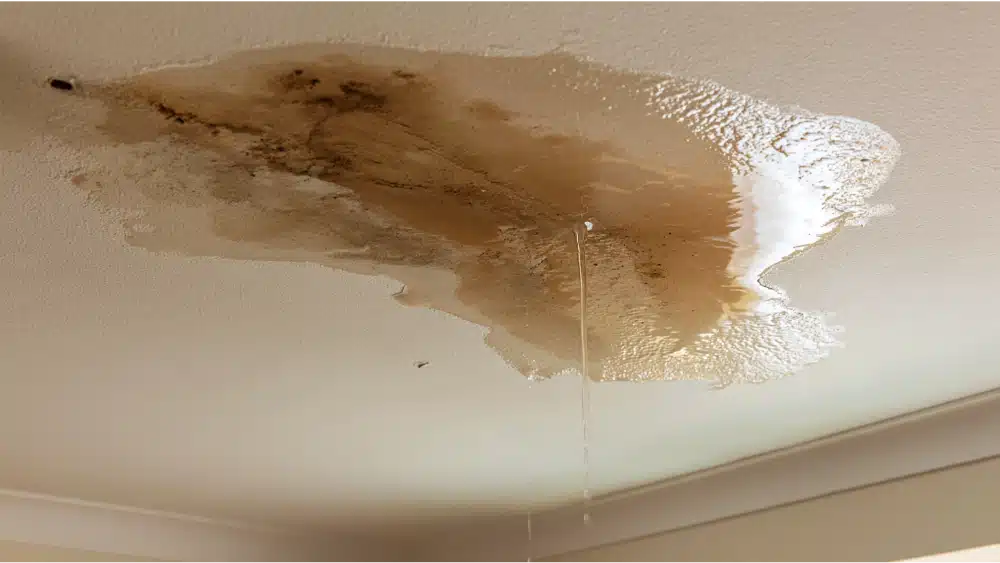
Start inside. Look for ceiling stains and wall discoloration, bubbling or peeling paint, damp or compressed insulation, musty odors in the attic space, rust or dark staining around nails and on the underside of the roof deck, and daylight visible at penetrations.
One thing catches homeowners off guard constantly: the interior stain is often not directly below the roof opening. Water travels along decking and framing before it drops, sometimes several feet from where it entered. That’s why tracing the entry point matters more than patching the ceiling.
A stain that dried up still counts as evidence. The EPA recommends drying water-damaged materials within 24 to 48 hours to limit mold growth and the mold remediation that follows, and repairing the water source rather than treating the stain. Trapped moisture and an unaddressed entry path don’t resolve themselves.
The Most Common Roof Problems to Fix Before El Niño
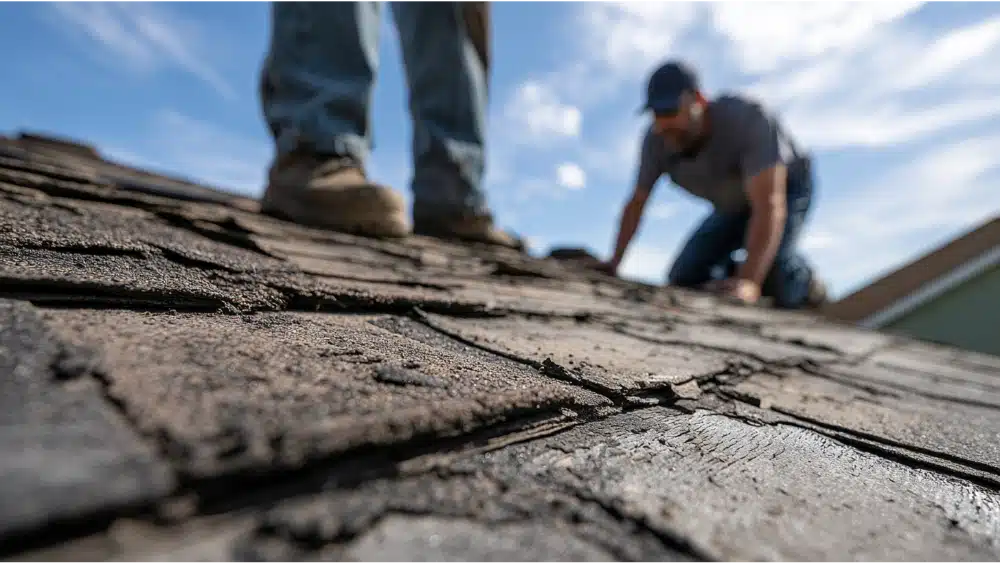
These are ordered by how water actually enters and moves through a roof system, starting at the surface and working down to the deck.
Missing Shingles, Cracked Tile, and Other Damaged Roofing Materials
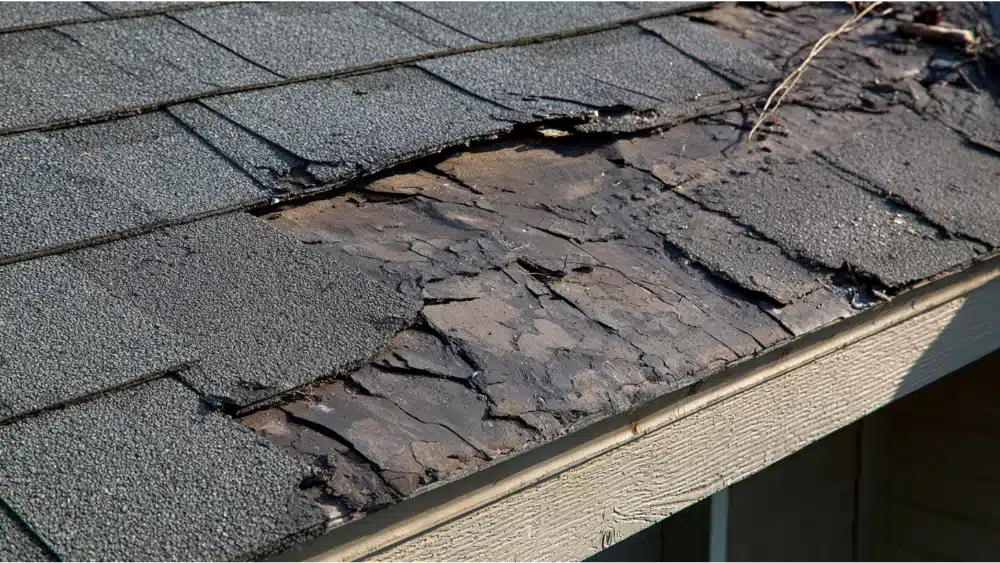
On asphalt shingles, look for lifted shingles, missing pieces, torn tabs, and heavy granule accumulation where downspouts discharge. Granule loss thins the layer that shields asphalt shingles from UV, which accelerates everything else. On tile roofs, including concrete tiles, look for cracked, broken, or slipped pieces, often from foot traffic during a prior service call. High winds lift shingle edges, and wind-driven rain then pushes water sideways underneath the course, where it has no business being. You can usually spot this from the ground with binoculars or a camera zoom. Isolated damage is typically handled with targeted repairs. Widespread lifting across a slope calls for a closer evaluation.
Failed Flashing, Pipe Boots, and Roof Penetrations
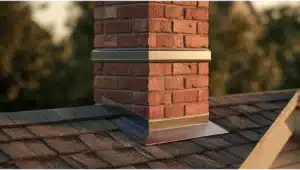
Flashing is the seam system of your roof: chimneys, sidewalls, valleys, skylights, and roof-to-wall transitions. Add cracked flashing at corners and seams, split rubber pipe boots, ridge vents and exhaust vents, solar mounts, and rooftop HVAC curbs, which most pre-season guides skip entirely. Anything not properly sealed becomes an entry point once rain stops being brief. California’s official property preparedness checklist and city-level checklists both call out flashing specifically. Sun and heat degrade rubber boots and sealants faster than the shingles around them, so a roof can look fine from the curb and still have a failed penetration.
Exposed or Deteriorated Underlayment
This is the hidden layer, and it matters most on tile. Tile sheds water, but the underlayment beneath it is the actual water barrier in the roof assembly. A tile roof that looks sound from the street can leak steadily through a season of heavy rain if the underlayment has torn, shrunk, or degraded. You can’t assess this yourself. It requires lifting material and looking, which is work for a qualified roofer. Poor attic ventilation and trapped moisture accelerate deterioration from below, so proper ventilation is part of the same conversation.
Clogged Gutters, Valleys, Downspouts, Drains, and Scuppers
Drainage isn’t an accessory. According to USGS, one inch of rain on a 40-by-70-foot roof produces roughly 1,743 gallons of water, about 623 gallons per 1,000 square feet. All of that has to leave the roof somewhere. When gutters clog, water backs up under the roof edge and into fascia, soffit, and wall assemblies. That’s how clogged drainage becomes a roof leak. Valleys do the same thing when leaves dam them. California’s El Niño preparedness checklist puts clearing drains and gutters near the top for good reason. Clearing is maintenance. Rotted fascia behind the gutter is repair.
Flat Roofs: Ponding, Open Seams, and Repeated Patches
On flat roofs and low-slope single-ply, silicone, or built-up roofing systems, look for dirt rings and staining that mark where water sits after rain. Then look at the seams. Lifted or open seams, punctures, and layers of patch-on-patch repair usually mean the system is near the end of its service life rather than one more fix away. Internal drains and scuppers block just as readily as gutters, and a blocked drain on a flat roof holds weight, not just water. Flat roofs also hide their problems well, because there’s no slope carrying evidence down to a visible edge. Repeated patching is a signal to evaluate the system, not patch it again.
Soft Decking, Fascia Rot, Sagging, and Overhanging Branches
Visible dips or waves in the roof plane, spongy areas a roofer reports underfoot, and rotted fascia along gutter lines all point to water that’s been working for a while. Sagging is a structural damage concern and belongs at the front of the line, not on a watch list. Overhanging branches abrade the surface and drop debris that dams valleys, and debris holds moisture against the roof long after the storm passes.
El Niño Roof Preparation: What to Fix Now, and What Can Wait
Address immediately: active leaks, sagging roof sections, soft or rotted decking, open storm-created holes, water anywhere near electrical fixtures, and large areas of missing roofing.
Address before sustained rain: failed flashing, cracked or slipped tile, missing shingles and lifted tabs, exposed underlayment, blocked gutters, valleys, and drains, and failed seals at roof penetrations.
Monitor or handle in maintenance: light debris accumulation, early sealant wear, isolated granule accumulation with no other symptoms, and tree growth approaching the roof.
This is a practical way to prioritize El Niño roof preparation, not a building-code classification. A proper roof inspection is what tells you which list your roof is actually on, and doing it early in El Niño season keeps your options open.
Repair or New Roof: Deciding Before the Heavy Rain Arrives
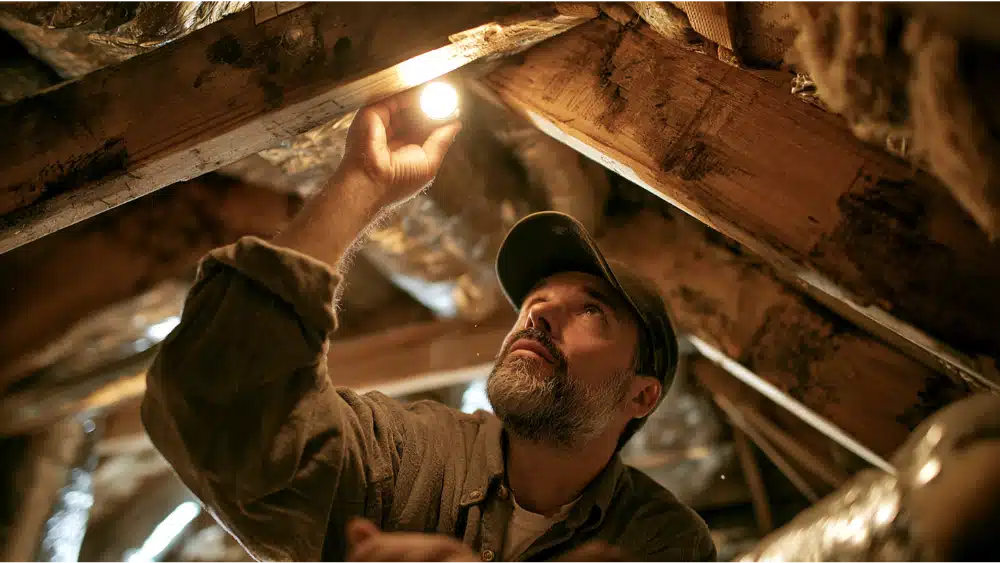
Roof age by itself is a weak decision tool, and plenty of articles lean on it because it’s easy. What actually decides it: whether the damage is isolated or spread across slopes, the condition of the roofing materials surrounding the defect, the state of the deck and underlayment, how many previous repairs exist and where, whether roof leaks keep returning to the same area, and whether a new repair can be properly integrated into what’s already up there. An older roof carrying several previous repairs deserves a closer look in strong El Niño years, when back-to-back systems leave little drying time between storms.
A targeted roof repair is the right call when it genuinely restores the system. A new roof is the right call when a repair can’t, and a full replacement gives you a sound assembly instead of another patch. The goal isn’t the smallest invoice in October. It’s a roof that holds in February. Done once. Done right.
What a Professional Roof Inspection Should Include
Use this as a standard for the roofing contractors you bring out:
- Roof covering condition documented slope by slope
- Flashing and every transition point
- Chimneys, skylights, pipe boots, ridge and exhaust vents, solar mounts, HVAC curbs
- Valleys, gutters, downspouts, drains, and scuppers
- Ponding evidence on flat roofs and any low-slope area
- Attic space and interior leak signs
- Roof deck and fascia condition
- Photographs of what was found
- A written scope separating what needs repair now from what can be monitored
That last item is the one homeowners most often don’t get, and it’s the piece that makes a professional roof inspection worth scheduling before storm season arrives. A transparent scope with no surprises is the whole point. Our inspections are free and carry no obligation.
Ground-Level and Attic Space Checks You Can Safely Do Yourself
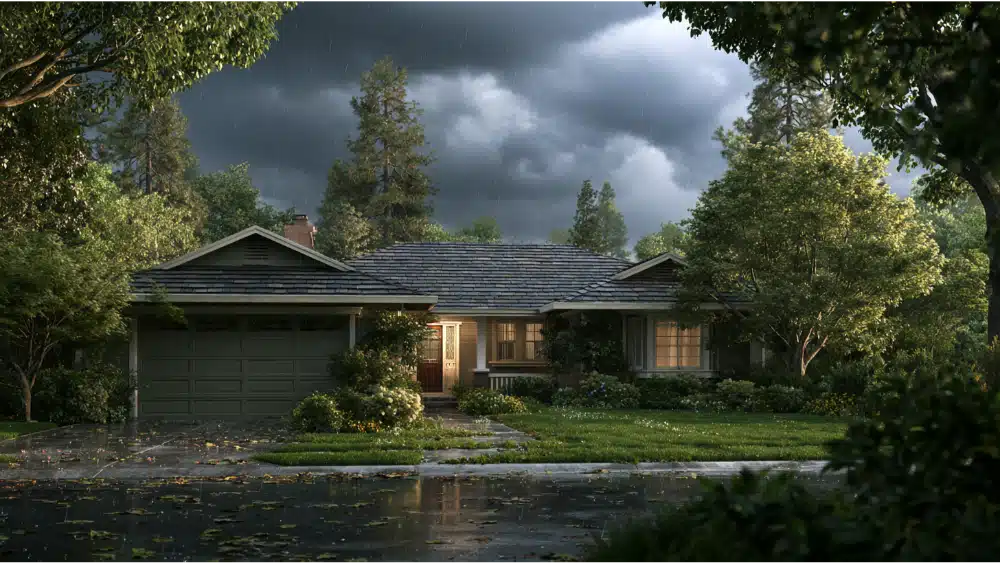
Plenty, without ever leaving the ground. Use binoculars or a camera zoom from the yard, look down at the roof surface from upper-story windows, check safely accessible attic space with a flashlight, scan interior ceilings and exterior eaves, and watch where your downspouts discharge during the first real rain. A slow lap around the house takes a few minutes and tells you more than most homeowners expect.
Then stop there. OSHA notes that rain and wind increase fall risk and that roofing work should pause in damp or windy conditions. Don’t walk a wet, steep, tile, metal, soft, or visibly damaged roof, and never attempt repairs during severe weather. Your time is better spent documenting what you see.
California Permits, Licensing, and Insurance Before El Niño Season
Hiring protections. California generally requires a current contractor license when work requires a permit, uses employee labor, or totals $1,000 or more in combined labor and materials. Some sites still quote an outdated $500 figure. The ordinary down payment limit on a home improvement contract is 10% of the contract price or $1,000, whichever is less. A full roof replacement in Roseville is a permitted project, and the city’s online reroof process requires a current-code CF1R alteration form, with California’s 2025 Energy Code in effect since January 1, 2026. A small repair running a few hundred dollars is a different animal, though licensing rules still apply once employee labor or a permit enters the picture. Homeowners in HOA communities may also need architectural approval before changing roofing color or material. Verify any contractor’s status directly with the CSLB. Ours is License #1031864, which includes the C-39 Roofing classification.
Insurance. The California Department of Insurance notes that homeowners policies do not cover flooding, but may cover rain entering through a roof opening created by wind or another covered event. A storm-created opening and long-term deterioration are treated differently. If storm damage occurs, we work with homeowners and their insurance companies through the insurance claim process.
If Your Roof Leaks During El Niño Storms
- Protect people first, and stay off the roof while it’s raining or windy.
- Move belongings and contain interior water if it’s safe to do so.
- Stay clear of wet electrical fixtures and ceiling light boxes.
- Photograph everything, including the interior and any visible exterior damage.
- Contact your roofing contractor, and your insurance company if a claim applies. Keep receipts for reasonable temporary repairs, and hold off on extensive permanent work until the insurer can assess.
- Dry affected materials within 24 to 48 hours where it’s safe, per EPA guidance.
The back-to-back nature of El Niño storms is what makes temporary protection matter. A tarp that holds through one major storm may not hold through the next three.
What are the five most common roofing problems?
Damaged or missing surface materials, failed flashing and penetrations, drainage failures, deteriorated underlayment, and deck damage. Nearly every leak we trace comes back to one of those five.
Should a 20-year-old roof be replaced?
Not automatically. Condition, leak history, deck and underlayment state, and the number of previous repairs decide it. A twenty-year-old roof in good condition may need nothing; a ten-year-old roof with failing penetrations may need a great deal. Have it inspected.
What are the potential effects of El Niño in 2026?
NOAA’s September 10, 2026 advisory gives a greater than 90% chance of a very strong event for fall and winter. Those are probabilities, not promises, and NWS Sacramento notes the precipitation link is weaker and less consistent in Northern California than in Southern California.
What is the 25% rule in roofing?
It’s a widely used code-based rule of thumb: when repairs or recovering affect more than roughly 25% of the roof area within a 12-month period, jurisdictions commonly require the roof to be brought up to current requirements instead of patched. Confirm the specifics with your local building department, including the City of Roseville.
Will homeowners insurance cover an El Niño roof leak?
It depends on the policy and the cause. Per the California Department of Insurance, rain entering through a wind-created opening is treated differently than long-term deterioration, and flooding is not covered. Your carrier makes the determination.
Get Your Roof Ready Before El Niño Arrives
The point of a pre-season roof inspection is knowing what needs attention and what doesn’t, before winter answers the question for you. We’re family-owned and operated, we run in-house crews, and you’ll have a project manager and client success manager keeping you updated with a clear scope and no surprises. CSLB License #1031864, BBB accredited since December 2017, with a Roseville office at 503 Giuseppe Ct., Suite 4.
Request a free inspection online or call 916-745-6699 to get your roof checked, and we’ll follow it with a free estimate on anything that needs work. The form is short: service type, roofing material, timing, and your address. It’s a quick conversation, not an application.