
Key Takeaway
A new roof’s primary impact on home value is protection, not addition: it shields the equity you already have and improves buyer confidence, but rarely returns its full cost. The 2025 JLC/Zonda Cost vs. Value report puts cost recovery at roughly 68% for an asphalt shingle replacement and 50% for standing-seam metal. Roofing and home value are most directly connected when a failing roof creates inspection flags, financing hurdles, or buyer negotiation leverage.
A sound roof mostly protects the home value you already have. The short answer is that replacing an old roof can improve buyer confidence and clear obstacles at inspection or financing, but a roof replacement rarely returns its full cost dollar for dollar. The 2025 JLC/Zonda Cost vs. Value report puts cost recovery at roughly 68% for the modeled asphalt shingle replacement and 50% for the modeled standing-seam metal replacement.
If you’re weighing a repair against a full roof replacement, or thinking about listing a home with a roof that has some years on it, this is a significant decision about your largest asset. You deserve a straight answer rather than a sales pitch. Below, we walk through how roofing value actually works, what the national data says and doesn’t say, and how to decide on your next step.
What “home value” actually means (four different measures)
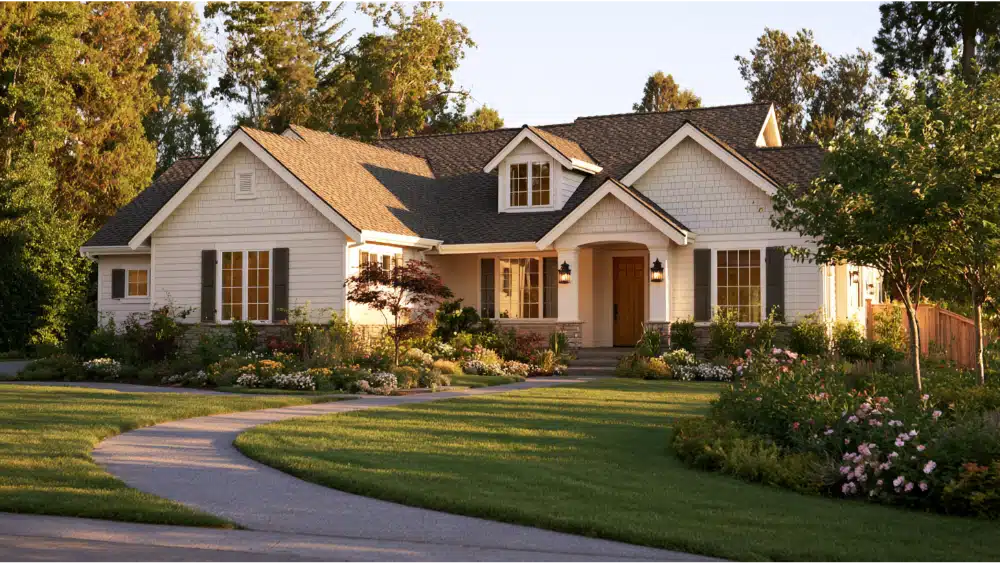
Most of the confusion around roofing and home value comes from mixing up four separate things. They’re related. They are not the same number.
| Measure | What it means |
|---|---|
| Market value | What a buyer is actually willing to pay for your home in current conditions. |
| Appraised value | An appraiser’s supported opinion of value, driven largely by comparable sales and the home’s overall condition rating. |
| Cost recovery (return on investment) | Estimated resale value contributed by a roofing project, divided by what the project cost. |
| Buyer appeal and marketability | How quickly the home sells, how many contingencies appear, and how much gets negotiated off the asking price. |
A new roof can improve an appraisal’s condition rating without raising the appraised value by the invoice amount. A new roof makes a home easier to sell without necessarily adding its full replacement cost to the sale price. Keeping these four straight is the difference between a realistic plan and a disappointment.
How does a roof affect home value? The three layers
Your roof touches value in three ways, and they work in order.
- Value protection. The roof is the home’s primary shield against weather. Keeping water out of the decking, framing, and insulation preserves the home value already in the structure.
- Transaction protection. A roof in documented good condition reduces buyer uncertainty and lowers the odds of friction during inspection, appraisal, financing, or negotiation.
- Resale contribution. When the existing roof’s condition makes replacement reasonable, a properly scoped roof replacement recovers part of its cost at resale.
The roof is also one of the largest visible surfaces on the home, so it shapes a buyer’s first read on how well the property has been maintained. A new roof can boost home marketability more reliably than it boosts the appraised number. All of which is to say: “Does a new roof add value?” is the wrong first question. “What condition is my roof in?” is the right one.
How an old or damaged roof lowers your home’s resale value
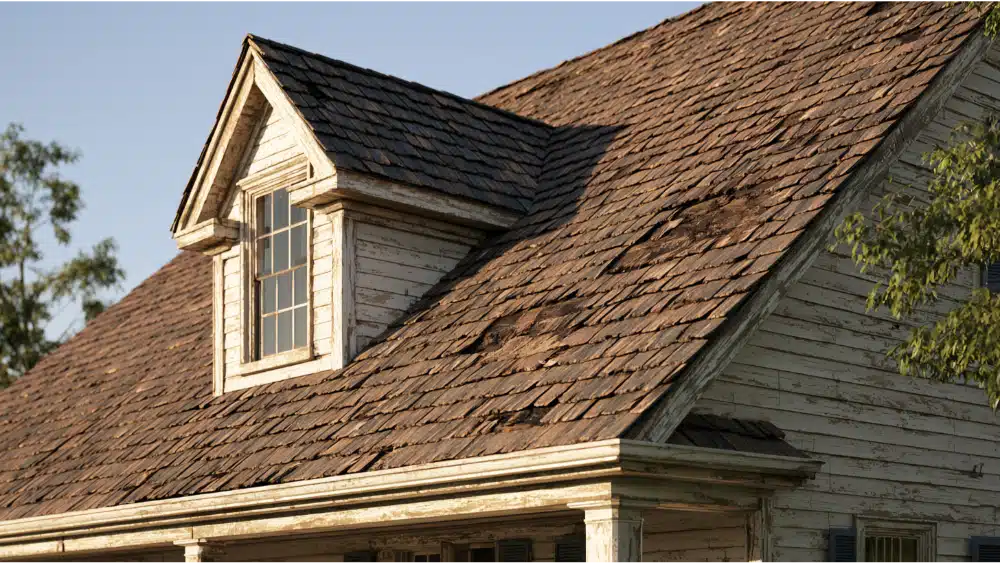
Buyers have gotten less forgiving about condition. In the 2025 NAR Remodeling Impact Report, 46% of buyers were reported as less willing to compromise on a home’s condition than in prior years. An old or damaged roof with little remaining life reads as a liability, and that read shows up in the offer.
Active leaks, storm damage, and hidden moisture
Water that gets past the covering doesn’t stop there. It reaches decking, insulation, framing, and interior finishes, and the damage accumulates quietly between the time it starts and the time someone notices a stain on a ceiling. Storm damage works the same way. Wind can lift and crease shingles that still look seated from the ground, and hail can bruise the mat under the granules without leaving an obvious hole. A roof carrying unresolved storm damage can pass a casual glance and still be losing the structure value underneath it.
This is the clearest way an old roof erodes real home value: by the time it’s visible, you’re no longer paying for a roof. You’re paying for a roof plus everything beneath it.
Visible deterioration and curb appeal
Curling or missing shingles, mismatched patches from past repairs, dark staining, sagging rooflines, and corroded flashing all register with potential buyers before they walk through the front door. Curb appeal isn’t vanity in this context. It’s the first evidence a buyer has about maintenance history. Fair or not, a worn roof sets an expectation about the water heater, the windows, and everything else the buyer hasn’t seen yet, while a well maintained roof supports the aesthetic appeal the rest of the home’s exterior is trying to deliver.
Buyer uncertainty, home inspections, and price negotiation
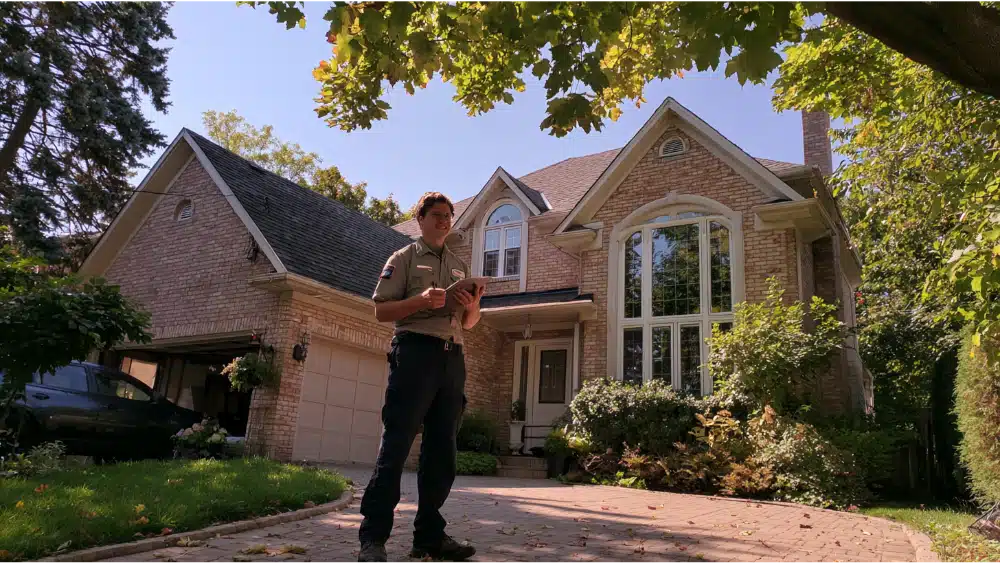
Under the ASHI Standard of Practice, home inspectors examine the roofing material, roof drainage systems, flashing, skylights, chimneys, and roof penetrations, and they describe both the material and the method used to inspect it. So the roof is going to be looked at. Once something gets flagged in a report, it becomes a negotiating item, and buyers tend to subtract a conservative full replacement cost rather than an accurate one. A documented roof eliminates that unknown, and an unknown almost always costs more at the table than a known condition. Many buyers today are shopping for a move in ready home, and in a competitive market a roof with life left in it supports a faster sale.
How much value does a new roof add? What the national data shows
Two questions usually arrive together: how much does a new roof cost, and how much does a new roof add back at resale. You’ll see claims online that a new roof recoups anywhere from 60% to 85% of its cost. Those ranges circulate widely without much behind them. The figure worth anchoring to comes from the 2025 JLC/Zonda Cost vs. Value report: about 68% cost recovery for the modeled asphalt shingle replacement, and 50% for the modeled standing-seam metal replacement.
Homeowner sentiment runs higher than the resale math. New roofing earned a 10 out of 10 Joy Score in the 2025 NAR Remodeling Impact Report, tying for the highest satisfaction score among projects surveyed, and 43% of REALTORS® reported increased buyer demand for new roofing over the prior two years.
What the 68% and 50% cost-recovery figures measure
The Cost vs. Value report covers 28 remodeling projects across 119 U.S. markets. Its resale value estimates don’t come from audited sales of homes before and after the work. They come from a survey of more than 6,000 real estate agents and other real estate professionals, who were shown defined project descriptions, local construction costs, and median home prices, then asked what each project would add to a sale price.
The projects themselves are standardized models. The asphalt model assumes tearing off to the sheathing and installing 30 squares of fiberglass asphalt shingles with underlayment, drip edge, flashing, skylight flashing, and ridge ventilation on a rectangular hip roof. The metal roofing model assumes 3,000 square feet of standing-seam material with synthetic underlayment, perimeter ice barrier, matching accessories, and a vented ridge. The report is published annually, so check the current edition before leaning on any specific figure.
Why a 68% return on investment is not a 68% increase in home value
Cost recovery is a share of what the project cost, not a percentage added to the home’s total value. A 68% recovery on a roof replacement is a fraction of that project’s price, nothing more.
One correction worth making, because it’s repeated on prominent roofing pages: NAR’s 37% figure is the share of REALTORS® who recommend new roofing to sellers before listing. It is not a cost-recovery number, and anyone presenting it that way has misread the chart.
A national average describes what a modeled project does across 119 markets, not what yours will do at your address. Comparable homes in the same neighborhood, local market conditions, and the actual scope of your roof replacement will all move the result.
Does a new roof increase home value on an appraisal?
Not by the amount on your invoice. Appraisers work from comparable sales and the home’s overall condition, so a new roof enters the calculation as a condition factor rather than a line-item addition. Replacing a failing roof usually removes a deficiency, and that can support a better condition rating. It does not create a dollar-for-dollar upgrade.
Put plainly: fixing something that was wrong tends to restore home value more than it manufactures new value. That’s still worth doing. It’s just a different outcome than the one some marketing suggests.
How roof condition can affect financing and insurance
Fannie Mae’s Selling Guide requires appraisers to reflect minor deferred maintenance in the value and to comment on marketability. It specifically identifies conditions such as active roof leaks and worn roof shingles among deficiencies that may require correction when safety, soundness, or structural integrity is affected.
FHA-financed transactions are more specific. HUD Handbook 4000.1 requires the roof to prevent moisture entry and provide reasonable future utility and durability. If the roof has less than two years of remaining physical life, the appraiser must report it and make the appraisal subject to inspection by a professional roofer. That two-year threshold is an FHA rule, not a universal lender standard, and you shouldn’t assume it applies to every loan program.
Some carriers may offer better terms for homes with a newer roof, but underwriting rules vary by insurance company, climate, and jurisdiction. Ask your carrier directly rather than assuming a premium change.
Should you replace your roof before you sell your home?
In the 2025 NAR report, 37% of REALTORS® said they recommend new roofing to sellers before listing. That’s a meaningful share, not a mandate. Whether to replace your roof before selling should rest on condition, not on the calendar.
When a full roof replacement makes sense
Replacement is usually the right call when you’re dealing with widespread material failure across the roof surface, repeated or active leaks, problems with the decking or ventilation, or a documented transaction obstacle raised by an appraisal or by home inspections. In those cases, a buyer is going to price the roof into their offer anyway, and they’ll price it conservatively. Replacing the roof before selling at least puts the number under your control.
When repair or an honest assessment is enough
If the damage is limited and localized and the remaining useful life of the existing roof is reasonable, targeted repair is often the more cost effective way to protect home value. If you simply don’t know where the roof stands, a documented professional inspection resolves the uncertainty before you spend anything, and replacing a serviceable roof won’t automatically put more money in your pocket at closing.
Two cautions. Don’t replace a sound roof because of a generic age rule. And don’t let anyone install a new covering over unresolved decking or ventilation problems, because that hides the issue rather than solving it. Selling as-is with the roof condition disclosed and reflected in the asking price is also a legitimate path. That’s a conversation for you and your real estate agent, since real estate agents see how buyers in your specific market react to an older roof.
Asphalt shingles vs. metal roofing: which returns the most value?
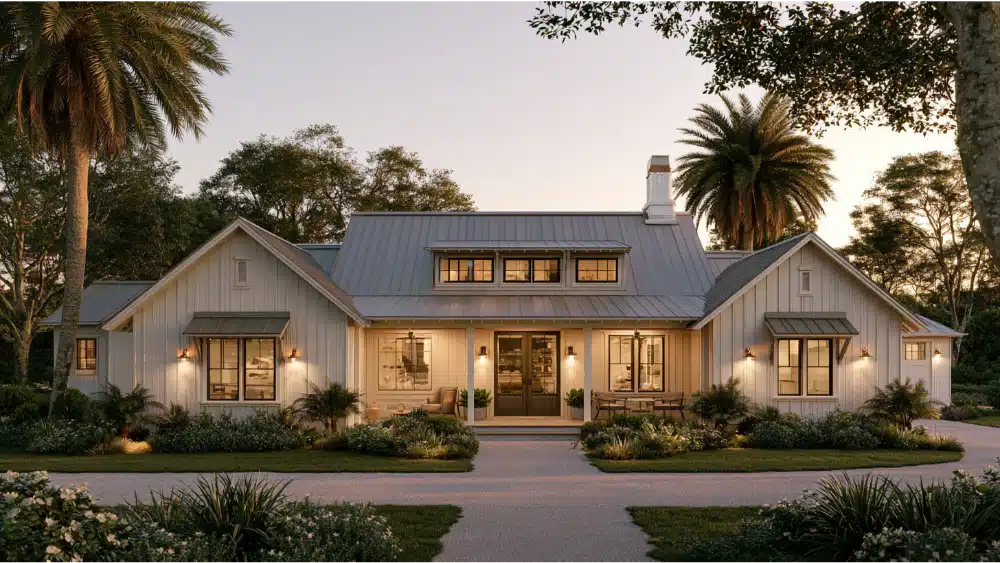
In the national model, a new asphalt shingle roof recovers a larger share of its cost. Premium materials don’t automatically return more at resale, and that doesn’t make either option the better choice for your home by default.
Why asphalt shingles recover more of their replacement cost
Asphalt’s project cost is lower relative to the resale value real estate agents assign it, which lifts the percentage. Architectural shingles are also what most buyers expect in most neighborhoods, so the match between what you spend and what a buyer will pay for stays tight. Architectural shingles carry more dimension and shadow line than three-tab, which is part of why a new asphalt shingle roof tends to lift curb appeal noticeably. Asphalt roofs typically last in the range of 20 to 30 years with proper installation and maintenance.
When metal roofing is the right long-term choice
Homeowners often ask us whether a metal roof increase home value more than asphalt does, and the honest answer is that the material matters less than the condition and the ownership horizon. Metal roofing carries a higher upfront investment and recovers a smaller share of its replacement cost in the national model, but it commonly serves 40 to 70 years. If you plan to stay in the home for decades, or you have specific performance priorities, the resale value percentage matters less than the service life. Metal roofing also pairs well with reflective finishes where summer heat drives cooling loads. Match the material to the home’s architecture, local weather patterns, what’s typical in your neighborhood, and how long you intend to own it. Our roofing services cover asphalt shingles, tile, metal roofing, and flat systems including single-ply and silicone, and we’ll tell you honestly which makes sense for your roof.
The parts of a roof that actually protect long-term home value
A roof is a system. Value protection comes from the parts many homeowners never see.
- Decking. Soft or delaminated sheathing has to be replaced, not covered.
- Underlayment. The secondary water barrier beneath the covering.
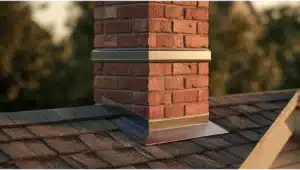
- Flashing. Where the roof meets walls, chimneys, and skylights, which is where most leaks begin.
- Valleys and penetrations. Vents, pipes, and solar mounts need properly sealed detailing.
- Drainage. Water has to leave the roof quickly and in the right direction.
- Ventilation. Intake and exhaust balance controls attic moisture and heat, which drives shingle life.
- Installation quality. Fastening, alignment, and detail work determine whether the materials perform as rated.
A new covering over unresolved deck or ventilation problems does not protect home value. It postpones a bill. That’s why our in-house crews verify the full scope before the first shingle goes on, and it’s the practical meaning of done once, done right. We install the Owens Corning Total Roofing Protection System among other options, and any coverage terms tied to a product line come from the manufacturer’s warranty documentation, which we’ll walk through with you.
Can a cool roof or energy efficiency add value?
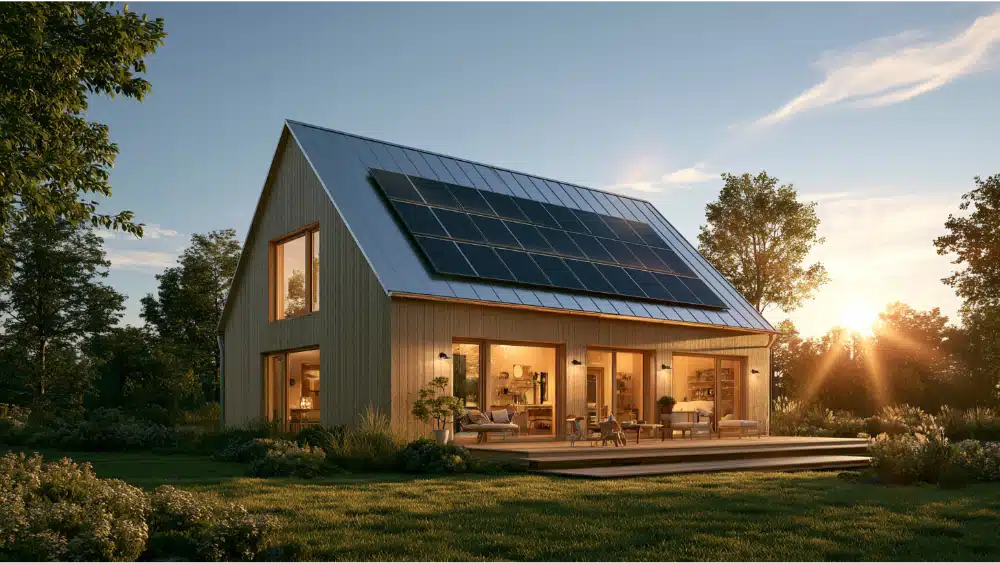
Energy efficiency lowers what the home costs to run, which is a real benefit over a long ownership period. The EPA estimates cool roofing can reduce peak cooling demand by roughly 11% to 27% in air-conditioned residential buildings, though the result depends on climate, insulation levels, and the roof assembly itself. The same agency notes cool roofs can carry a winter heating penalty in colder climates.
Treat energy efficiency as a comfort and operating-cost consideration rather than a guaranteed bump in appraised value. No appraiser is obligated to assign a premium for it, and savings vary too much by region to promise a number.
Roof documentation that turns a new roof into a significant selling point
Paperwork does real work at the negotiating table, and it’s what makes a new roof a credible selling point rather than an unverified claim in a listing. Keep the following in one place:
- Inspection reports, including any pre-purchase or annual roof inspections
- The signed contract and the final scope of work
- The paid invoice
- Permit and inspection records where applicable
- Product information and the installation date
- Before and after photos
- Maintenance records
- Transfer paperwork for any applicable manufacturer or workmanship coverage
Some buyers or real estate agents will ask for a roof certification. Availability, format, and what the certification actually asserts vary by region and by the inspector issuing it, so ask early rather than at the closing table.
Inspect, repair, replace, or upgrade: a simple decision checklist
| Situation | Likely next step | What it protects |
|---|---|---|
| Roof age or condition unknown | Inspect | Removes guesswork before you spend anything |
| Isolated damage on an otherwise sound roof | Repair | Stops water intrusion without unnecessary cost |
| Widespread failure, repeat leaks, deck or ventilation problems | Replace | The structure underneath and your position in a sale |
| Sound roof, performance or energy efficiency goals, long ownership horizon | Upgrade | Comfort, operating costs, and service life |
Start with a documented professional roof inspection before committing to anything else.
Frequently Asked Questions
Does a new roof add value to a home?
Mostly a new roof protects the home value you already have. Replacing a failing roof can improve marketability and recover part of its cost, roughly 68% for the modeled asphalt shingle replacement and 50% for the modeled standing-seam metal replacement in the 2025 JLC/Zonda Cost vs. Value report. Those are national modeled estimates, not a promise for a specific home.
How much does a new roof cost?
We don’t publish price ranges, because a number without a scope behind it isn’t useful to you. Roof square footage and pitch, the number of penetrations and valleys, material choice, tear-off layers, and any decking or ventilation repairs all move the figure. How much does a new roof cost on your home specifically is a question we answer after we’ve been on the roof, in writing, with no obligation attached.
What is the 25% rule for roofing?
It’s a common contractor rule of thumb: when roughly a quarter or more of the roof surface shows visible damage or is failing, patching stops being sensible and full roof replacement usually makes more sense. It’s a guideline, not a building code requirement, and some jurisdictions have their own repair-versus-replace provisions. An inspection settles it for your roof.
Does a new roof increase my home’s tax basis?
It’s a common contractor rule of thumb: when roughly a quarter or more of the roof surface shows visible damage or is failing, patching stops being sensible and full roof replacement usually makes more sense. It’s a guideline, not a building code requirement, and some jurisdictions have their own repair-versus-replace provisions. An inspection settles it for your roof.
What decreases property value the most?
Unaddressed structural and moisture problems, paired with visible deferred maintenance, sit near the top of the list. An old roof that’s failing contributes to both at once, which is why roof condition carries weight well beyond the replacement cost of the roof itself.
Our roofing services start with an inspection, free and no obligation
The right roofing decision comes from the condition of your roof and what will protect your home over the long term, not from a promised bump in sale price. We’ll inspect, tell you what we find, and give you a clear scope and a straight number.
Our quote request takes a few minutes: service type, material preference, property type, timing, payment preference, and the project address. It’s a conversation, not an application. We’re family-owned and operated, we use in-house crews, and a Client Success Manager keeps you updated at every step. Financing options are available if you want quality work with payment flexibility.
Call 916-745-6699 or email info@cobexcg.com. Cobex Construction Group, CSLB License #1031864 for California projects.