
When homeowners begin researching a roof replacement, one question often rises to the top: how durable are modern lifetime roofing materials? A roof is one of the most important protective systems on a home, and choosing the right roofing material can determine how well the property withstands time, climate, and everyday wear. Modern durable roofing materials are designed to protect homes for decades, but durability can vary widely depending on the material itself, the installation quality, and the environment the roof faces.
Today’s popular roofing materials are far more advanced than earlier generations. Improved manufacturing, protective coatings, and better roofing systems have significantly increased the roof lifespan for many homes. However, no roofing material truly lasts forever. The phrase “lifetime roof” usually refers to warranty coverage rather than an unlimited lifespan.
Understanding how durable roofing materials perform helps homeowners make confident decisions. This guide explores common roofing materials, compares their lifespan, and explains how installation quality and maintenance influence long-term performance.
What Does “Lifetime Roofing Material” Actually Mean?
The phrase “lifetime roof” can be misleading if it is not understood properly. Manufacturers use the term to describe warranty coverage rather than the exact number of years a roof will last. A lifetime roof typically means the warranty remains valid while the original homeowner owns the home.
Even though the warranty may last for decades, the actual roof lifespan depends on several factors. Material quality, climate exposure, and proper installation all play important roles in how long roofing materials last.
A limited lifetime warranty usually includes a full coverage period followed by a prorated phase. During the early years, manufacturers may cover replacement materials if a defect appears. As the roof ages, the warranty may only cover part of the cost.
This distinction is important because durable roofing materials can still fail early if they are not installed correctly or maintained properly. Even the longest-lasting roofing materials depend on a strong roofing system and professional installation.
What Factors Affect the Durability of a Roof?
Many homeowners focus only on the roofing material when thinking about durability, but several additional elements influence how long roofing materials last.
Climate and Weather Exposure
Weather plays a major role in determining roof lifespan. Roofs must endure sun exposure, heavy rain, strong winds, and extreme weather conditions. Regions with intense heat can accelerate aging in some materials, while cold climates can cause expansion and contraction that stresses roofing systems, so it is important to choose the best roofing material for your climate.
Durable roofing materials are designed to resist these conditions, but consistent exposure still affects performance over time. Some materials perform better in certain environments than others.
Roof Installation Quality
Installation quality is one of the most critical factors affecting roof lifespan. Even the most durable roofing materials can fail prematurely if they are not properly installed.
A roof that is properly installed ensures that flashing, underlayment, and sealing systems function as intended. Proper installation also protects the roof deck and prevents water infiltration. Many roofing systems rely on precise installation methods, and mistakes during construction can reduce durability significantly.
Professional installation also helps ensure that roofing systems comply with manufacturer guidelines. When roofing materials are installed correctly, they typically last much closer to their expected lifespan.
Ventilation and Structural Components
Attic ventilation and structural design influence the durability of roofing systems as well. Poor ventilation can trap heat and moisture beneath the roof deck. Over time, this trapped moisture can damage roofing materials and reduce their performance.
Good ventilation helps roofing materials last longer by maintaining stable temperatures beneath the roof. This is especially important for asphalt shingles and wood roofing systems.
Roofing System Components
A roof is more than just visible shingles or tiles. Modern roofing systems include underlayment, flashing, starter strips, and ridge ventilation, along with other essential parts of a roof. These components work together to protect the home from water intrusion.
Durable roofing materials perform best when the entire roofing system is properly installed and maintained.
How Durable Are Today’s Most Common Lifetime Roofing Materials?
Several different roofing materials are available today, and each one offers unique durability benefits. Understanding how these materials perform helps homeowners choose the right roofing material for their home.
Asphalt Shingles
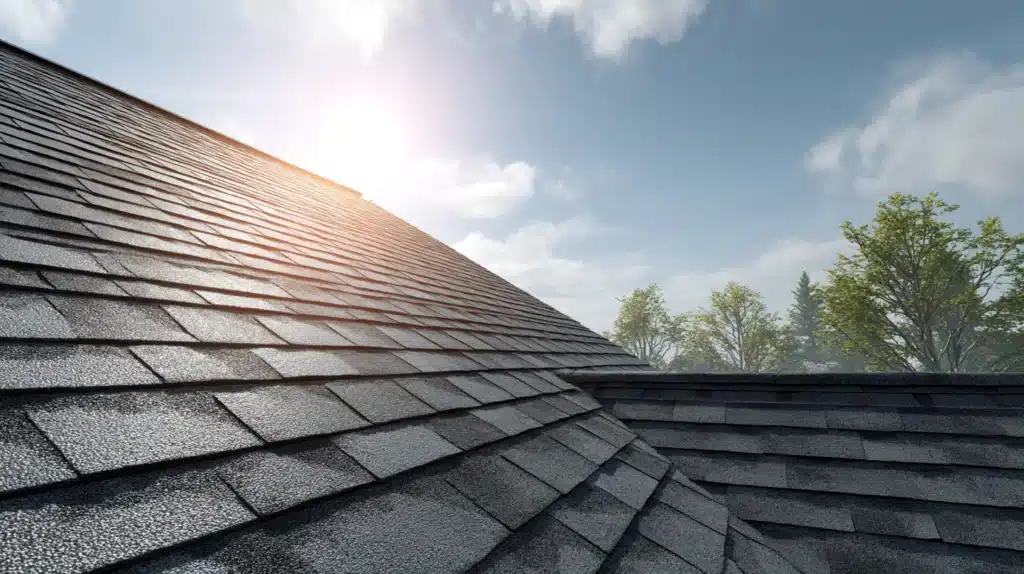
Asphalt shingles remain the most common roofing material used on residential homes in North America. An asphalt shingle roof is widely used because it balances affordability with reliable performance.
Traditional asphalt shingles typically last around twenty to thirty years. However, architectural asphalt shingles are thicker and more durable than traditional asphalt shingles. These architectural or dimensional shingles typically last between twenty-five and forty years when properly installed.
The asphalt shingles lifespan depends on installation quality, climate conditions, and regular maintenance, and understanding how long a shingle roof lasts helps homeowners set realistic expectations. While asphalt shingles are not the longest lasting roofing materials available, they remain one of the most popular roofing materials due to their affordability and versatility.
Many homeowners choose architectural asphalt shingles because they provide improved durability compared to traditional asphalt shingles. When an asphalt shingle roof is installed correctly, it can provide dependable protection for decades.
Metal Roofing
Metal roofing is known for exceptional durability and long-term performance. Metal roofs commonly last between forty and seventy years depending on the design and material quality. The metal roofing lifespan often exceeds other popular roofing materials.
Standing seam metal roofs are especially durable because the panels interlock tightly and reduce the risk of water intrusion. Standing seam metal roofing systems also resist wind uplift and moisture damage.
Standing seam metal systems are a common choice for homeowners seeking durable roofing. Metal roofing systems can also include protective coatings that help resist corrosion and extend the roof lifespan.
Metal roofs excel in extreme weather conditions. They resist wind, fire, and impact damage better than many other materials. Metal roofs commonly reflect solar heat as well, which can improve energy efficiency and help maintain a cooler roof deck.
Standing seam metal roofs are often considered among the longest lasting roofing materials available today. Metal roofing systems are durable roofing solutions that require relatively little maintenance compared to some other options.
Clay and Concrete Tile
Tile roofs are widely known for their durability and traditional appearance. Clay tiles and concrete tiles are both durable roofing materials that can last for decades when properly installed.
Clay tiles typically last fifty years or longer, and many clay tile roofs remain intact for a century with proper care. Clay and concrete tiles also perform well in hot climates because they resist heat and sunlight.
Concrete tiles are slightly more affordable than clay tiles but still offer impressive durability. Homeowners comparing their options often weigh clay vs concrete roof tiles carefully, as concrete tiles typically last forty to seventy years depending on climate and installation quality.
Concrete tile roofs are heavy, and they may require additional structural support before installation. Homes that use clay and concrete tiles must be designed to handle the extra weight.
Both clay tiles and concrete tiles provide strong resistance to fire, insects, and moisture. Because of their strength and longevity, clay and concrete tiles are often considered among the longest lasting roofing materials for residential properties.
Tile roofs also offer good insulation properties that help regulate indoor temperatures. This can contribute to better energy efficiency for homeowners in warm climates.
Slate Roofing
Slate roofs are often considered the most durable roofing material available. Natural stone slate roofs are made from natural materials and can last well over one hundred years when properly maintained.
Slate roofs typically last between seventy-five and one hundred years, making them one of the longest lasting roofing materials available today. Because slate roofs are made from natural stone, they resist fire, insects, and moisture damage.
The exceptional durability of slate roofs comes from the strength of natural materials. Natural stone roofing tiles do not deteriorate as quickly as many synthetic materials.
However, slate roofs are heavy and often require additional structural support before installation, and contractors must be alert to any structural damage during roof repairs or upgrades. The installation quality must be extremely precise because improperly installed slate roofs can fail prematurely.
When properly installed and maintained, slate roofs are among the most durable roofing materials available in the industry.
Wood Roofing
Wood roofing offers a natural appearance that many homeowners appreciate. Wood shingles and shakes are traditional materials that have been used for centuries.
Wood shingles typically last around twenty-five to thirty years when properly maintained. Wood shingles and shakes require more maintenance than some other roofing materials because natural materials are more susceptible to moisture and insect damage.
Wood shingles can provide good insulation properties and help regulate temperature inside the home. However, wood roofing systems require regular maintenance and prompt repairs to maintain durability.
Wood shingles and shakes also require proper ventilation and protection from moisture buildup. Shake roofing systems can perform well when installed correctly and properly maintained.
Although wood shingles and shakes may require more maintenance, they remain popular for homeowners who prefer natural materials and a distinctive appearance.
Composite Roofing and Synthetic Roofing
Composite roofing and synthetic roofing products are newer options designed to replicate the appearance of natural materials while improving durability. Composite roofing often uses recycled materials and synthetic materials to create lightweight roofing solutions.
Composite shingles and composite roofing systems are engineered for durability and can mimic the appearance of slate roofs or wood shingles. Synthetic roofing products often provide strong resistance to impact and extreme weather conditions.
Composite roofing materials typically last thirty to fifty years depending on the product. Because composite roofing uses synthetic materials, these roofing systems often require less maintenance than natural materials.
Composite shingles and synthetic roofing systems continue to grow in popularity because they combine durability with modern engineering.
How Modern Roofing Technology Has Improved Durability
Advances in roofing technology have improved the performance of durable roofing materials across the industry. Improved sealant systems help asphalt shingles resist wind uplift. Protective coatings on metal roofing systems reduce corrosion and extend the metal roofing lifespan.
Modern roofing systems also use advanced underlayment materials that help protect the roof deck from moisture. These improvements allow roofing materials to last longer and perform better in extreme weather conditions.
Innovations in composite roofing and synthetic roofing have also introduced lightweight alternatives that mimic natural materials while maintaining exceptional durability.
Which Roofing Material Lasts the Longest?
When comparing roofing materials by durability, several materials consistently rank among the longest lasting roofing materials. Slate roofs and clay tiles are widely considered the most durable roofing material options available for residential homes.
Metal roofing systems also rank among the longest lasting roofing materials because they resist fire, wind, and moisture damage. Standing seam metal roofs in particular offer outstanding durability and longevity.
Concrete tiles and clay tiles also perform exceptionally well and can last many decades. Among all common roofing materials, slate roofs and clay tiles are often considered the materials that last the longest.
However, the right roofing material for a home depends on several factors including cost, structural design, and climate conditions.
How Homeowners Can Make a Lifetime Roof Last Longer
Even the most durable roofing materials benefit from proper care and attention. Homeowners can extend roof lifespan by focusing on maintenance and inspections.
Choose Experienced Contractors
Installation quality plays a major role in roof lifespan. Roofing systems that are properly installed are far more likely to reach their expected service life. Proper installation ensures the roof deck, flashing, and ventilation systems all function properly.
Schedule Regular Inspections
Regular inspections help identify small problems before they become serious issues. Depending on your needs, you may benefit from both routine inspections and more detailed roof audits and inspections, which allow professionals to detect loose materials, leaks, or early signs of wear.
Perform Maintenance and Repairs
Regular maintenance and timely repairs help protect roofing materials from further damage. Prompt repairs after storms can prevent costly repairs later. Prompt repairs also help ensure roofing systems continue functioning as intended.
Keep Roofing Systems Well Maintained
Roofs that are properly maintained typically last longer than neglected roofing systems. Proper maintenance includes cleaning debris, checking flashing, and repairing damaged materials quickly.
Signs Your Roof May Not Last Its Full Expected Lifespan
Several warning signs may indicate a roof needs attention. Cracked or curling asphalt shingles may suggest aging materials. Missing wood shingles or damaged wood shingles and shakes can expose the roof deck to moisture.
Granule loss on shingle roofs may indicate wear, and loose clay tiles or concrete tiles can lead to leaks. Many of these problems trace back to common causes of roof leaks, so addressing these issues early with timely repairs can help prevent costly repairs later.
Regular inspections allow homeowners to detect these issues early and maintain durable roofing systems, reducing the risk associated with neglecting essential roof repairs.
Are Lifetime Roofing Materials Worth the Investment?
Investing in durable roofing materials can provide long term value for homeowners. While premium roofing materials often cost more per square foot initially, their longer roof lifespan can reduce the need for frequent roof replacement.
Durable roofing materials such as slate roofs, metal roofing systems, and clay tiles often deliver exceptional durability. These materials last the longest and provide dependable protection for decades.
Choosing the right roofing material also improves the overall roof appearance of a home and can enhance property value. Durable roofing solutions provide confidence that the home will remain protected for many years.
Final Thoughts on Durable Roofing Materials
Understanding how durable roofing materials perform helps homeowners choose lasting roofing materials that match their needs. From asphalt shingles to standing seam metal roofs, slate roofs, clay tiles, and composite roofing systems, modern roofing technology offers more options than ever.
The most durable roofing material for a home depends on installation quality, climate exposure, and proper maintenance. Roofing materials last the longest when they are installed correctly, properly maintained, and supported by a complete roofing system.
For homeowners considering roof replacement, choosing high quality materials and ensuring professional installation can make a significant difference in long term performance, and understanding average roof replacement costs is an important part of planning the project. Durable roofing systems provide reliable protection, improved energy efficiency, and lasting value for years to come.