
Why Paying Attention to Your Windows Matters
Many homeowners focus on roofs, siding, and heating and cooling equipment while overlooking one of the most important parts of the home, the windows. Windows affect comfort, energy efficiency, indoor air quality, and even your home’s appearance. The challenge is that many window replacement signs homeowners overlook do not appear suddenly or dramatically. Instead, they develop slowly, making it easy to live with the problem without realizing the long term impact. Older windows, inefficient windows, and older or damaged windows can quietly drive up energy bills, strain your HVAC system, and reduce overall comfort.
Most home windows are designed to last between 15 and 30 years depending on frame materials, climate, and installation quality. Once windows reach that age range, performance often declines even if visible damage is minimal. Making window replacement decisions early can help avoid costly repairs later and ensure optimal performance throughout the year.
1 | Subtle Drafts or Temperature Swings in Certain Rooms
One of the most common window replacement signs homeowners overlook is subtle drafts. You may not feel a strong breeze, but you might notice cold air near the window during winter or warm air creeping in during summer. These air leaks usually come from aging window seals, warped frames, or poor installation from decades ago. Even when windows closed, small gaps allow outside air to enter.
Over time, air leaks disrupt consistent indoor temperatures and force heating and cooling systems to work harder. This extra workload increases energy consumption and reduces overall energy efficiency. Drafts are often blamed on insulation, but inefficient windows are frequently the real issue, especially in homes with older windows.
2 | Gradual Increase in Utility Bills With No Clear Cause
High energy bills are often the first financial warning sign, but many homeowners attribute them to rising utility rates or increased usage. When energy bills climb steadily without lifestyle changes, the cost of window replacement and potential savings should be considered. Older windows lose insulating ability as materials degrade, leading to more heat transfer throughout the year.
Inefficient windows allow conditioned air to escape, increasing heating and cooling demands. This raises energy costs and puts unnecessary strain on cooling systems and heating equipment. Replacing windows with energy efficient windows can significantly lower energy bills and stabilize monthly expenses over time.
3 | Fog or Condensation Between the Panes
Condensation inside window panes is a clear sign of seal failure. Double or triple pane windows rely on airtight seals to trap insulating gases between the glass panes. When those seals break, moisture enters, causing fogging that cannot be wiped away. This issue affects both the functionality and appearance of the window.
Seal failure reduces insulation, increases heat transfer, and lowers energy efficiency. It can also contribute to mold growth if moisture spreads to surrounding materials. While repair windows solutions are sometimes advertised, replacing windows with modern replacement windows is usually the only way to fully restore performance.
4 | Outside Noise Is Getting Louder
Excessive noise entering the home is another overlooked indicator. Outdoor noise from traffic, neighbors, or construction can become more noticeable as windows age. Older or damaged windows lose sound insulation over time, allowing sound infiltration even when the windows are shut.
Modern windows are designed to significantly reduce sound infiltration through advanced glass configurations such as double or triple glazing and triple pane windows. Noise reduction is not just a luxury, it improves daily comfort and quality of life. If outdoor noise is becoming disruptive, replacement windows can provide better sound insulation and create a calmer indoor environment.
5 | Windows Are Hard to Open, Close, or Lock
Windows that do not function properly are often dismissed as just an inconvenience, but this issue can signal deeper problems. Warped frames, structural damage, and window wear can make windows difficult to operate. In some cases, wood frames may swell from moisture exposure, while metal frames can warp over time.
Poor operation affects safety, security, and ventilation. Windows should open easily in case of emergencies and lock securely to protect your home. Damaged windows that stick or jam often indicate that replacing your windows is a smarter solution than repeated temporary fixes.
6 | Peeling Caulk, Warped Trim, or Deterioration Around Edges
Exterior window condition offers important clues. Peeling paint, cracked caulk, and warped trim are signs of moisture intrusion. Many homeowners assume this is only a cosmetic issue, but it often points to structural damage beneath the surface.
When water penetrates around the window frame, it can compromise proper insulation and lead to mold growth. Over time, this moisture can weaken the surrounding structure and require more costly repairs. Visible damage around windows should be evaluated early to prevent escalation.
7 | Rattling or Loose Frames on Windy Days
If windows rattle during wind or feel loose when touched, this suggests warped frames or poor installation. Movement indicates that the window is no longer sealed tightly within the opening. Air leaks and sound infiltration are common consequences of this issue.
Loose frames also compromise structural integrity and energy efficiency. Proper installation is essential for ensuring optimal performance. When windows shift or vibrate, replacing windows with professionally installed, energy efficient options is often the most reliable solution.
8 | Aging Single Pane or Outdated Window Designs
Homes with older windows often still have single pane glass or early double pane designs that lack modern technology. These windows provide minimal insulation and inadequate UV protection. Double or triple pane configurations with low e glass and triple glazing offer far superior thermal performance.
Modern windows are engineered to reduce heat transfer, protect furnishings from sun damage, and maintain consistent indoor temperatures, especially when you choose high performance double pane windows for California homes. Energy efficient models also help reduce energy consumption throughout the year. Upgrading from outdated designs to modern replacement windows can dramatically improve comfort and efficiency.
9 | Your Home Just Does Not Feel Comfortable Anymore
Sometimes the biggest sign is simply a feeling that your home is no longer comfortable. Rooms may feel uneven in temperature, or you may notice drafts despite running your HVAC system regularly. Heating and cooling may seem less effective, even after maintenance.
This discomfort is often caused by inefficient windows that no longer provide optimal insulation. Replacing your windows can restore balance, improve indoor air quality, and support efficient heating and cooling performance throughout the home.
Should You Repair or Replace Your Windows
Deciding whether to repair windows or move forward with window replacement depends on age, condition, and overall performance. Minor issues like small air leaks or hardware problems may be repairable. However, older or damaged windows with seal failure, warped frames, or cracked glass usually warrant full replacement.
Replacing windows offers long term value by improving energy efficiency, reducing high energy bills, and preventing more costly repairs down the line. Making window replacement decisions proactively helps protect your investment and ensures consistent comfort.
Why Quality Replacement Windows Matter
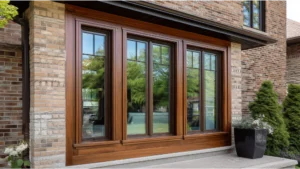
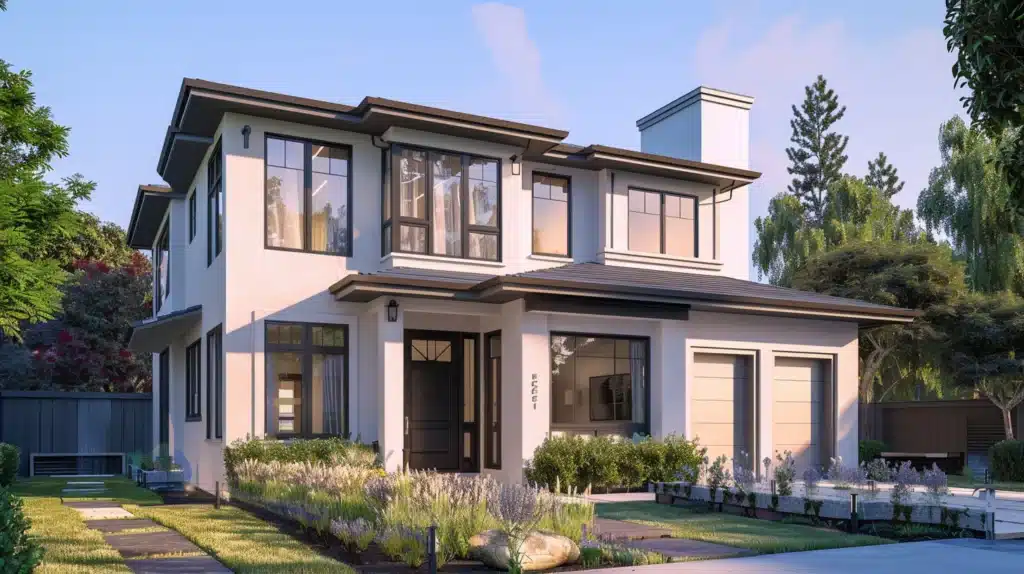
Choosing the right replacement windows is about more than appearance. High quality windows improve curb appeal, enhance your home’s appearance, and support structural integrity. Frame materials such as vinyl windows, wood frames, or metal frames each offer different benefits depending on climate and maintenance preferences.
Energy efficient windows with double or triple pane glass, triple pane options, and energy efficient models provide optimal insulation and long term performance. Professional installation ensures proper insulation, proper installation, and long lasting results. Poor installation can undermine even the best windows, leading to ongoing issues.
Frequently Asked Questions About Window Replacement
How do windows impact energy efficiency?
Windows play a major role in energy efficiency by controlling heat transfer. Energy efficient windows reduce air leaks and improve insulation, lowering energy consumption.
Can new windows really lower energy bills?
Yes, new windows reduce energy bills by minimizing heat loss in winter and heat gain in summer. This lowers heating and cooling costs and supports efficient cooling systems.
Are replacement windows worth the investment?
Replacement windows often pay for themselves through energy savings, improved comfort, and increased home value. They also reduce the risk of structural damage and mold growth.
What window styles are available today?
Modern options include double or triple pane designs, bow windows, and a variety of energy efficient options tailored to different homes and climates.
Final Thoughts on Window Replacement
Window replacement signs homeowners overlook often start small but grow into larger issues if ignored. Drafts, noise, rising energy bills, and visible damage all point to windows that no longer perform as they should. Older windows and damaged windows affect energy efficiency, comfort, and long term durability.
By recognizing these signs early and investing in new windows, homeowners can improve comfort, protect their home, and avoid unnecessary expenses. Replacing windows with energy efficient windows and ensuring professional installation is one of the most effective upgrades you can make for long term performance and peace of mind.