
When you are thinking about how long should exterior paint last before repainting is needed, you are also thinking about protecting your home and making sure the house exterior looks great for years. Every exterior painting project is an investment in your home. Homeowners want to know how long their exterior house paint will hold up under sun exposure, rain, and everyday wear. Exterior paint protects from moisture damage, fading, cracking, and peeling while contributing to the overall curb appeal of your home’s exterior.
To understand how long an exterior paint job should last, we have to look at the average lifespan of exterior paint and the many factors that will determine how long exterior paint lasts before repainting again is needed.
What’s the Average Lifespan of an Exterior Paint Job
A general rule for how long should exterior paint last before repainting is needed is between seven and ten years for a typical home under normal weather conditions. That expectation is based on many factors including paint quality, surface prep, and climate.
The average lifespan is useful, but homeowners should understand the variables that determine how long an exterior paint job lasts. Some homes with premium products, excellent prep work, and ideal weather can see an exterior paint job last beyond ten or even fifteen years. Other homes may need repainting sooner if the original coat of paint was low quality or environmental conditions were harsher than usual.
Key Factors That Affect How Long Exterior Paint Lasts
There are several factors that determine how long an exterior paint job lasts. Understanding these lets homeowners make better decisions and plan for repainting at the right time.
Surface Material
The materials of your house exterior play a big role.
Wood siding is popular but it is organic and moves with moisture and temperature. On wood siding, paint can start to degrade faster because it expands and contracts. On average, wood siding may need repainting every five to seven years.
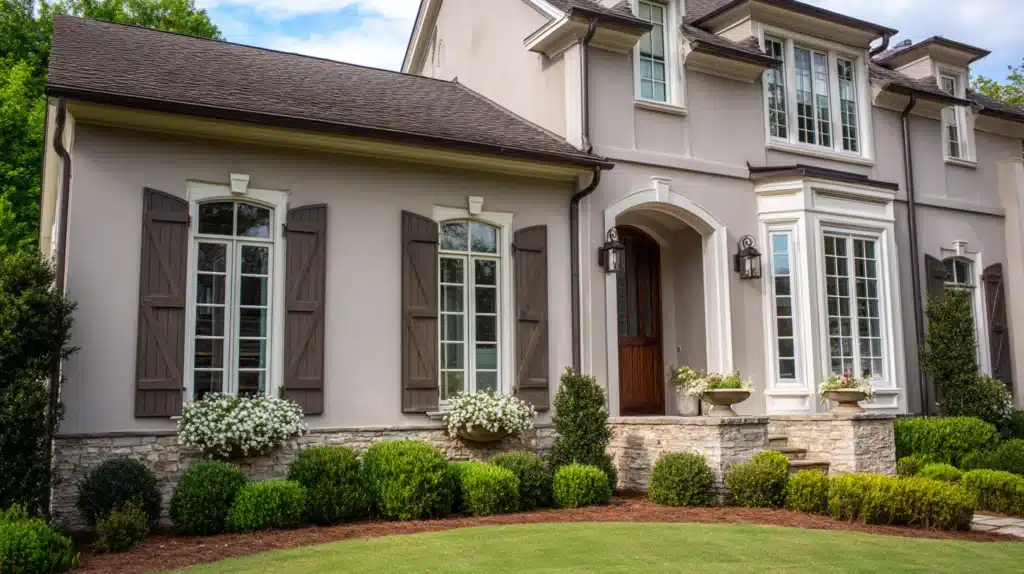
Stucco siding has a longer life because its texture hides wear and holds paint longer, typically around seven to ten years.
Brick and other masonry materials hold paint longer because they are dimensionally stable and do not move like wood siding.
Aluminum siding and other smooth surfaces can last longer than wood siding if properly prepared because they do not absorb moisture and paint adheres well.
Materials like brick and masonry may not need repainting for ten to fifteen years if the right materials and prep work are done. These differences illustrate that many factors go into how long should exterior paint last before repainting is needed when you compare other materials and surface types.
Paint Quality and Type
The paint quality you choose affects how your exterior paint job stands up to weather conditions. Homeowners should invest in high quality paint that is formulated for exterior use.
Acrylic paint and latex paints are popular for exterior applications because they are flexible, durable, and resist fading, cracking, and peeling.
A high quality paint will hold up longer against direct sunlight, moisture, and temperature swings. Premium brands often include UV blockers and special resins that help the coat of paint hold color and adhesion longer.
A previous paint job that used low quality paint will likely fade and crack sooner. Investing in top quality paint may require more money upfront, but it will save you money in the long run because your exterior paint will last longer and you will not need to repaint as often.
Surface Prep
The condition of the surface before painting plays a huge role in how long exterior paint lasts. If you skip essential prep work and do not remove old loose paint flakes or paint flakes, fill cracks, or address underlying moisture issues, then your exterior paint job will fail prematurely.
Surface prep includes power washing to remove dirt and loose material, sanding peeling paint, and applying a good primer so the new paint adheres well. Without proper surface prep, even the best paint will not adhere well and the paint may start cracking, fading, or peeling paint much sooner than expected.
Proper prep work can easily add several years to how long an exterior house paint lasts.
Climate and Weather Conditions
Weather conditions such as sun exposure, cold winter rains, and fluctuating temperatures influence how long exterior paint holds up.
In areas with intense direct sunlight, the UV rays break down the paint binder causing fading and chalking.
Coastal regions with salt air and humidity may see more moisture-related paint failure. Homes surrounded by trees may get mold and mildew growth which also affects paint life.
These weather conditions impact how long your exterior paint job lasts, and homeowners in harsher climates should expect to repaint sooner than those in mild areas.
Maintenance and Regular Care
Regular maintenance like cleaning gutters, trimming plants away from walls, and washing the exterior walls can help your exterior paint last longer.
Things like mildew and algae grow faster where walls stay damp. A little maintenance goes a long way in preventing issues that force repainting earlier.
Regular maintenance can extend the life of an exterior painting project by slowing fading and peeling.
Warning Signs Your Exterior Paint Is Failing
Knowing the signs of failing exterior paint helps you plan repainting before damage spreads. Common signs include:
- Peeling paint or visible paint flakes falling from walls means the coat of paint is no longer adhering to the surface.
- Fading color and chalky residue show the paint film is degrading from UV and direct sunlight.
- Cracking and checking lines mean the paint is becoming brittle.
- Moisture splotches, bubbles, or blistering paint suggest moisture is trapped under the surface.
These signs are common on wood siding, stucco, brick, aluminum siding, and other materials when the paint reaches the end of its life.
Noticing these issues means it is probably time for a fresh coat of exterior paint to protect your home and avoid more serious repairs. Catching these early signs helps you maintain protection and curb appeal.
How Often Should You Repaint in California
Given California’s strong sun and diverse climates, the average expectation for a house exterior repaint is every seven to ten years if quality materials and prep work were used.
Homes in areas with intense sun exposure and high UV may need repainting closer to the five to seven year range. Homes in cooler or shaded regions may get ten or more years before repainting is required.
A professional painting contractor will evaluate the current condition and help you determine the right time for repainting.
The general rule of thumb is to schedule a repaint when you see early signs of wear rather than waiting until the paint is completely failing. Waiting too long allows moisture to get into the structure and leads to rotted wood and other costly repairs.
Homeowners should plan for periodic repainting as part of regular maintenance to protect their home’s exterior.
How to Extend the Life of Exterior Paint
Extending how long exterior paint lasts means choosing the right products and taking good care of your home.
Choosing the Right Paint Products
Invest in quality paint that is formulated for your local climate. Acrylic paint and latex paints are common because they offer flexibility and durability.
A fresh coat with premium paint can resist fading and cracking longer than cheap, lower quality alternatives. A paint that is formulated for exterior use will better withstand direct sunlight, moisture, and temperature swings.
Surface Preparation and Application
Proper prep work is one of the most crucial steps in ensuring a long lasting exterior paint job.
Power washing removes dirt, old peeling paint, and environmental residue. Sanding smooths surfaces and improves adhesion. Applying a primer ensures the new paint adheres and covers evenly.
Skipping these steps is one of the biggest mistakes homeowners make when trying to save money upfront.
Routine Maintenance
Once your home has a fresh coat of paint, routine maintenance helps protect it.
Washing the exterior walls occasionally to remove dust and mildew is simple and effective. Fixing peeling paint and cracks as soon as you see them keeps moisture out and prolongs the life of the paint.
Regular maintenance helps keep the paint job looking newer longer and delays the need for repainting.
DIY vs Professional Painting
A professional painting contractor brings experience and consistency to an exterior painting project that most DIY attempts cannot match.
A DIY approach may feel like a way to save money upfront, but without proper prep and application techniques, the paint job may only last a few years.
Professional painters understand how to prepare surfaces, choose the right products, and apply them so the exterior paint job lasts as long as possible.
Hiring a professional also means the job is done safely and efficiently with quality control at every step. A professional will recognize surface issues that may require repair before paint is applied.
Cost of Repainting Your House Exterior
The cost of repainting your house exterior varies based on size, surface material, and the amount of prep work required.
Homes with extensive peeling and surface damage require more prep and more paint, which adds to the cost.
A repaint that uses quality paint and thorough prep will last longer and deliver better return on your investment.
While it may cost more upfront to use premium materials and hire a professional painting contractor, you will likely avoid repainting again too soon, which saves money in the long run.
Why Homeowners Trust Us for Exterior Painting
Homeowners choose us because we deliver consistent results, quality, and durability. We focus on prep work and using quality paint so your exterior looks great and lasts as long as possible.
Our teams are trained to recognize issues and address them before painting so your exterior paint job lasts for years.
FAQs About Exterior Paint Lifespan
How Can I Tell If I Need to Repaint?
If you see signs like fading, cracking, peeling paint, or color that no longer looks vibrant, your paint is failing. These issues show that the protective film is no longer effective and you should plan repainting soon.
Can You Paint Over Old Paint?
You can paint over old paint if the existing coat is still adhering well and not flaking. If the old paint has peeling paint flakes, you must remove the loose material and prep the surface first so the new coat adheres well.
Does Weather Resistant Paint Last Longer?
Yes, using paints that are formulated to resist UV and moisture will help the exterior paint job last longer. These products are worth the investment when you want long term performance.
What Is the Best Time of Year to Repaint?
Mild, drier months with moderate temperatures are ideal because paint adheres and dries better. Very hot or humid conditions can affect drying and adhesion.
Do Lighter Colors Last Longer?
Lighter colors reflect more heat and sunlight, which can reduce thermal stress on the coat of paint. While color choice alone does not determine lifespan, it can help reduce fading on sunny walls.
Get a Free Estimate Today
If you are wondering how long should exterior paint last before repainting is needed on your home, contact us for a free estimate.
Planning ahead and choosing the right products and services will protect your home and help you avoid unnecessary repainting in the future.
A well executed exterior paint job enhances beauty and guards your investment for years to come.
Your exterior paint is more than just color; it is a protective shield for your house exterior. With the right products and proper care, it will keep your home looking great and performing well for many years.
A thoughtful exterior painting project today sets the stage for lasting performance and long term value.