
Key Takeaway
Roseville roofs should be inspected and prepared for El Niño 2026 before sustained rain arrives, not after. As of September 10, 2026, NOAA gives the event a greater than 90% chance of becoming very strong through fall and winter 2026-27, with an above-normal precipitation tilt across California. Inspecting flashing, gutters, and penetrations now catches small defects before repeated storms expose them.
Treat the 2026–27 El Niño as a reason to inspect and prepare your roof this fall, not as a promise of record rain in Roseville. On September 10, 2026, NOAA’s Climate Prediction Center maintained an El Niño Advisory and gave the event a greater than 90% chance of becoming very strong through fall and winter. That shifts the odds toward a wetter season across parts of California, but it does not guarantee more rain will fall on your street.
If you own an older roof, have patched a leak before, or simply don’t know what shape your roof is in, this is for you. Not knowing is its own kind of stress. Below you’ll find the forecast in plain terms, a checklist you can work through safely from the ground and the attic, and a framework for deciding whether to maintain, repair, or replace before the rain settles in.
Forecast last checked: September 10, 2026.
What NOAA’s September 2026 forecast says about El Niño and the equatorial Pacific
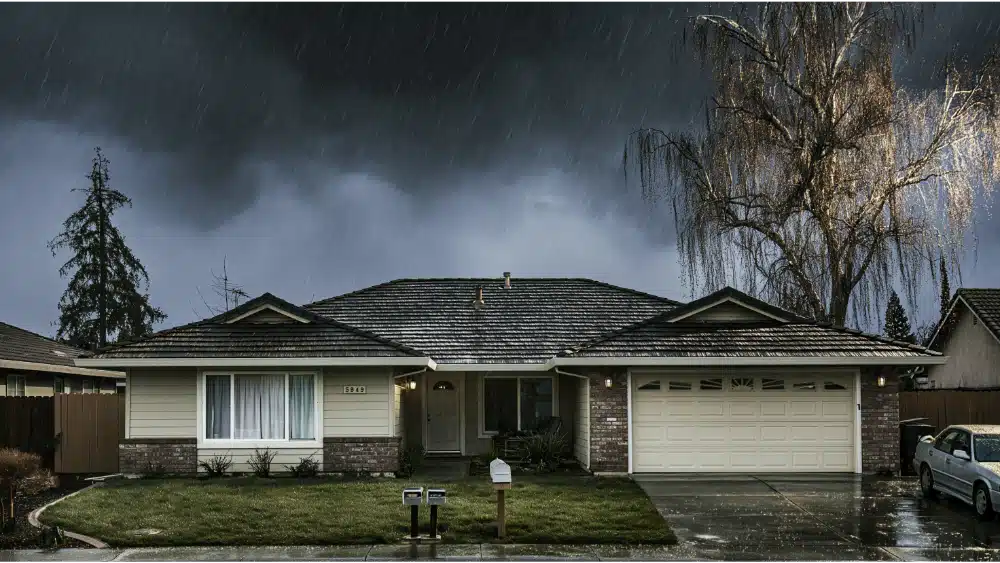
El Niño is a recurring warming of sea surface temperatures in the equatorial Pacific that shifts the odds of certain weather patterns across a season. It is not a storm. It has no track, no landfall date, and no rainfall total attached to it.
As of the September 10 update, NOAA reported El Niño strengthening, with a greater than 90% chance of a very strong event during fall and winter 2026–27. The agency also put the odds at 75% that October through December reaches or exceeds a three-month RONI value of +2.5°C, up from 69% in August. The Niño-3.4 index measured +1.8°C in August, and NOAA’s median forecast for October through December sits at +2.67°C. When you see “super El Niño” in a headline, that’s what it refers to: a very strong event by NOAA’s index.
These numbers shift as conditions change, and forecasters revise them every month. NOAA’s next ENSO Diagnostic Discussion is scheduled for October 8, 2026, which is why any article on this topic needs a check date attached to it.
El Niño in Southern California: San Diego, Los Angeles County, and why Roseville differs
Most El Niño preparedness coverage is written for Southern California residents, and the advice reflects hazards that don’t map cleanly onto the Sacramento Valley. In San Diego County and Los Angeles County, the historical link between a strong El Niño and a wet winter has been more consistent, and heavy rains there arrive on steep terrain. Saturated hillsides and recent burn scars raise the risk of debris flows and landslides, and dense urban drainage produces street flooding. Residents from San Diego north through Los Angeles County are told to prepare for those specific outcomes.
Northern California’s record during strong El Niño years is messier. Past events have delivered dry seasons, near-normal seasons, and exceptionally wet ones. That uncertainty doesn’t change what you should do with your own property. It just means you prepare for rain generally rather than for a number someone put in a headline.
How a super El Nino could affect weather patterns in Roseville
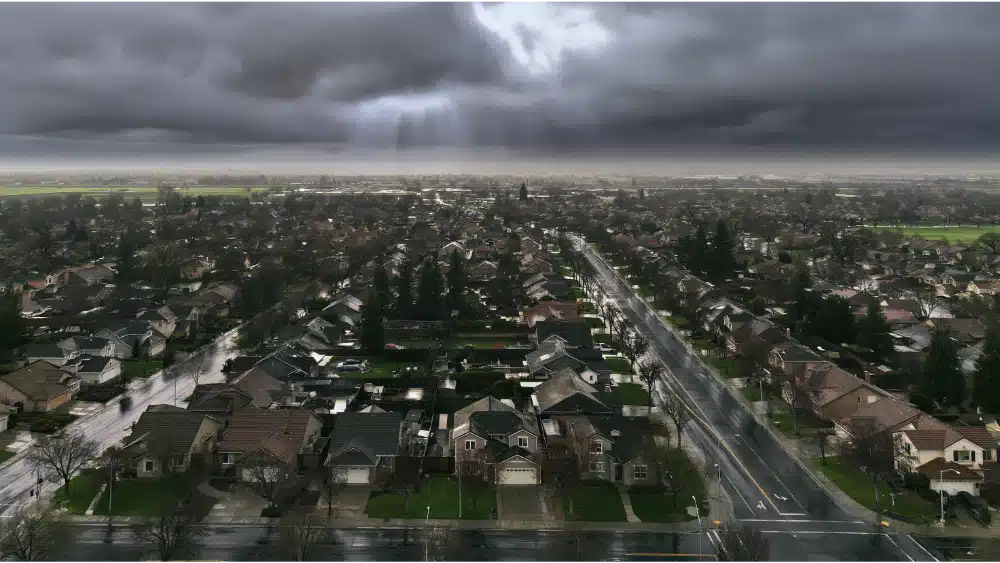
El Niño’s influence on U.S. weather patterns is generally strongest during the winter months, with January through March the most active window. Seasonal outlooks in strong events typically tilt wetter across the southern tier of the country and lean toward drier conditions and below-normal snow in the Northern Rockies and Pacific Northwest. NOAA’s long-lead outlook issued August 20, 2026 showed an above-normal precipitation tilt across California, with the strongest signal over the coast. Roseville is inland, so those coastal probabilities shouldn’t be copied over to our area.
Roseville’s hazard mitigation plan lists roughly 23.2 inches of annual precipitation, with about 22 inches falling October through April. Our wet months and El Niño’s strongest influence window are the same months. Roofs rarely fail because of one enormous storm. They fail because a series of ordinary storms, sometimes an atmospheric river sequence carrying high winds and steady rain, finds a weak spot in flashing or a drainage path that was already marginal. The same sustained rain that exposes a roof also produces localized flooding when gutters, downspouts, and storm drains are packed with debris.
The Roseville roof readiness checklist (what you can safely check yourself)
Drainage deserves the same attention as the roof covering. One inch of rain on a 40-by-70-foot roof is roughly 1,743 gallons of water, according to the USGS. That water has to go somewhere on purpose.
From the ground, with binoculars if you have them:
- Missing, curled, cracked, or slipped asphalt shingles or tiles
- Debris piled in valleys where two roof planes meet
- Sagging, separated, or overflowing gutters, plus loose downspouts and soft fascia
- Standing water or visible ponding on any low-slope section
- Tree limbs and vegetation overhanging or rubbing the roof surface
- Downspout outlets and nearby storm drains clear of leaves and debris, with water running away from walls and the foundation rather than pooling against them
From inside the attic, on a dry day:
- Water stains on decking or rafters, or wood that looks darkened
- Damp, compressed, or discolored insulation
- A musty odor
- Daylight visible around vents, pipes, or the chimney
Prepare the rest of your property while you’re at it
- Check that grading and hardscape carry runoff away from the house, since foundation flooding often starts with a blocked downspout
- Keep basic emergency supplies on hand, including water, non-perishable food, flashlights, and batteries
- Know your local resources before the storms arrive. Many Sacramento-area cities and counties offer sandbags to residents to help protect low-lying entries, and the City of Roseville posts community storm updates during active weather
Pay particular attention to where the roof is interrupted: flashing at walls and chimneys, skylights, vent pipes and their rubber boots, and the mounting points for rooftop solar and HVAC equipment. Most leaks happen at those penetrations.
One firm boundary: stay off the roof. Wet, steep, tile, damaged, and unfamiliar roofs are not places for a homeowner to be, and walking a tile roof can create the exact damage you were trying to find. The National Roofing Contractors Association recommends professional inspection at least twice a year, in spring and fall, plus after severe weather.
Why “it isn’t leaking now” is not a readiness test
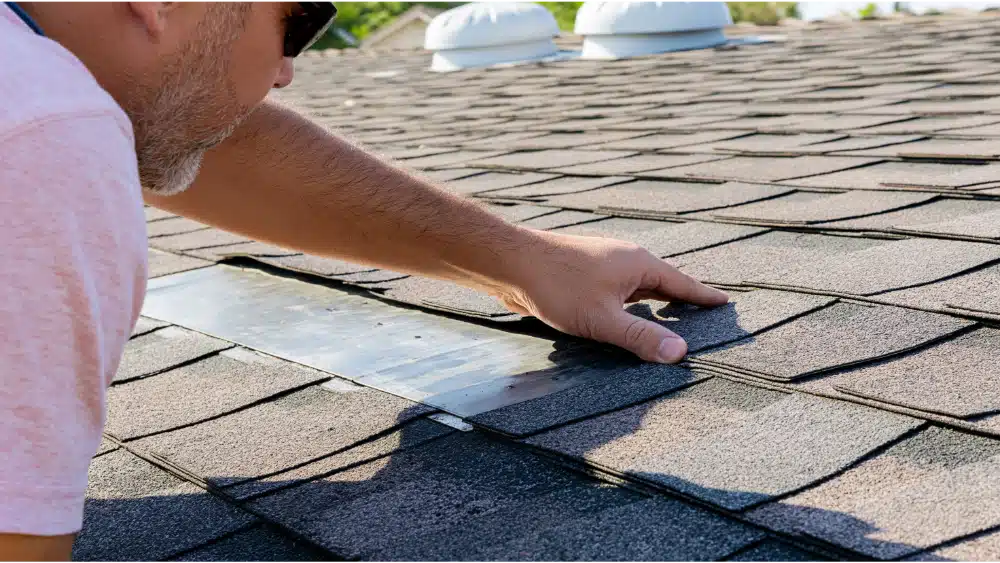
A dry ceiling in September only means your roof hasn’t been tested yet. Small defects sit quietly through dry months and reveal themselves under repeated or wind-driven rain, which pushes water sideways into places gravity never would. Interior stains also mislead. Water can travel along decking or a rafter and show up several feet from where it entered.
Tile roofs are the clearest example. Tile can look sound while the underlayment and flashing carrying the actual waterproofing have aged past their useful life. Problems found early stay small. That’s the whole argument for looking now.
What a professional roof inspection should tell you
A useful inspection covers the roof as a system: coverings, flashing and sealants, every penetration including chimneys, skylights, vents and pipes, valleys and debris, gutters and downspouts, attic ventilation, and the condition of the decking beneath.
You should walk away with written answers to a short list of questions. Where exactly is the defect? Is it isolated or widespread? Is water already getting in? What needs attention before winter, and what can simply be monitored? Which photographs support the recommendation?
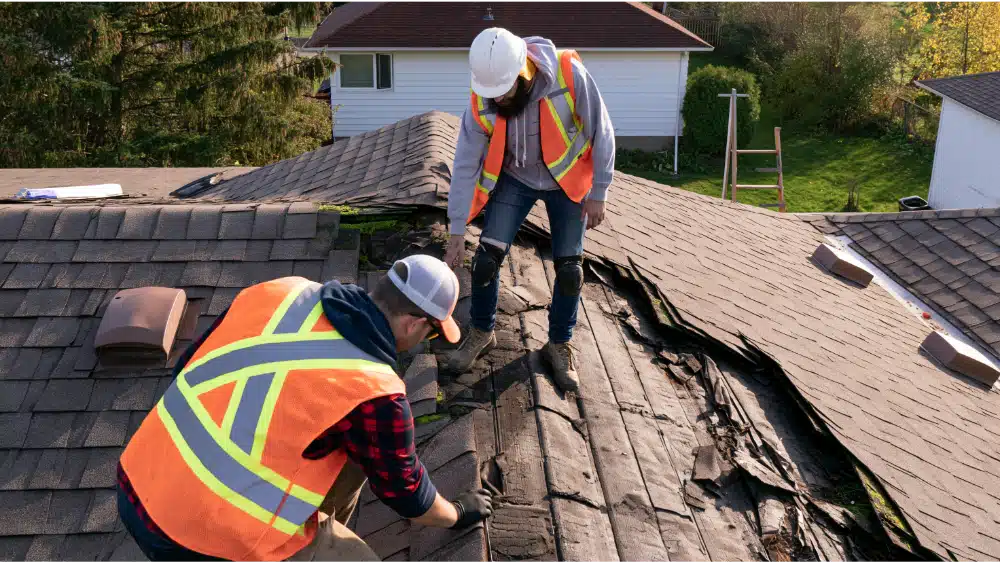
A good inspection sometimes concludes that the roof is fine, and that answer is worth having. If a report recommends replacement, it should show you why, in images you can see for yourself. Our in-house crews document what they find and explain it in plain language before anyone talks about scope.
Maintain, repair, or replace before the rainy season?
| Situation | What it usually looks like | Sensible next step |
|---|---|---|
| Maintain and monitor | No identified defects, drainage clear, flashing intact | Clear gutters and valleys of debris, document current condition, recheck after major storms |
| Repair | Isolated flashing, pipe boot, penetration, shingle, tile, or drainage problem | Correct the specific defect with a targeted roof repair before sustained rain |
| Evaluate replacement | Widespread wear, repeat leaks in the same area, soft or stained decking, several components failing at once, past repairs that no longer hold | Full system evaluation with photo documentation and options |
Age by itself is not a replacement trigger. Condition is. Done once, done right means matching the scope to what the roof actually needs, not writing the largest possible proposal. If the right answer turns out to be a larger project than you planned for this year, financing options are available.
What to do if your roof leaks during the first storm
- Keep people clear of wet electrical fixtures and any unsafe part of the attic.
- Move furniture and belongings out of the way if it’s safe to do so.
- Contain the water with a bucket, and relieve a bulging ceiling only if you can do it safely.
- Photograph the interior damage and anything visible from the ground outside.
- Make reasonable temporary protective measures to prevent further damage, such as covering furniture with plastic sheeting, and keep the receipts.
- Contact your insurance company and a licensed roofing contractor.
- Begin drying the affected area promptly. The EPA advises drying water-damaged materials within 24 to 48 hours to limit mold growth, and fixing the moisture source itself.
- Do not climb onto a wet roof, during or after the storm.
The same caution applies outdoors. Stay away from downed power lines and call 911 or your local fire department if one is near your home, avoid driving on flooded roads while weather is active, and keep out of flooded areas even after the water starts to drop.
Does homeowners insurance or flood insurance cover El Niño roof damage?

The California Department of Insurance explains that homeowners policies generally cover certain sudden losses, including windstorm and hail, while commonly excluding flood, wear and tear, neglect, seepage, and maintenance-related deterioration. Rain entering through an opening created by a covered wind event may generally be covered, depending on your specific policy.
The dividing line is sudden damage versus gradual decline. Flooding from rising water is a separate matter: standard homeowners policies generally don’t cover flood damage from outside water, and NFIP flood insurance normally carries a 30-day waiting period with limited exceptions. That waiting period is the main reason to review your insurance coverage early rather than when a storm is already in the forecast. CDI also recommends taking reasonable temporary measures, saving receipts, reporting the loss, and holding off on extensive permanent repairs until an adjuster has evaluated the damage unless safety requires otherwise.
We can document roof conditions with photographs and work alongside your insurance process. We can’t promise how a carrier will decide.
If replacement is the right call: Roseville permits and choosing a contractor
The City of Roseville lists reroofing, both tear-off and overlay, as a residential permit type, and a current-code CF1R energy compliance form must accompany the application. When 50% or more of the roof area is replaced, the applicable roofing requirements are triggered. Roseville sits in California Climate Zone 11, which affects the reflectance and emittance values your new roof needs to meet.
California generally requires a licensed contractor when a project needs a permit, uses employee labor, or totals $1,000 or more in labor and materials. Your down payment generally cannot exceed $1,000 or 10% of the contract price, whichever is less. Before you sign anything, verify the license at the CSLB, confirm the written scope and payment schedule, confirm who pulls the permit, and require signed change orders for anything added later.
Our Roseville office is at 503 Giuseppe Ct., Unit 4, and we hold CSLB License #1031864. We’ve been BBB accredited since December 15, 2017. We’re family-owned and operated, we use in-house crews rather than subcontracted labor, and a project manager and client success manager keep you updated at each step rather than leaving you to chase answers.
Frequently Asked Questions
Will 2026 be a strong El Niño year?
As of NOAA’s September 10, 2026 update, yes, with a greater than 90% chance of a very strong event during fall and winter 2026–27. NOAA also gave October through December a 75% chance of reaching the +2.5°C-or-higher RONI category.
Is there a super El Nino coming, and could it reach California?
“Super El Niño” describes a very strong event by NOAA’s index, and the current forecast supports that classification. El Niño shifts seasonal odds across the western U.S., but it doesn’t produce a specific storm or rainfall total for any one city.
Will 2026 be a wet year in California?
The outlook tilts toward above-normal precipitation, strongest along the coast. Northern California’s history during strong El Niño events is genuinely mixed, so the honest answer is that nobody knows yet.
When should I have my roof inspected before winter 2026–27?
September and October, before sustained rain starts. The NRCA recommends inspections at least twice a year, in spring and fall, plus after severe weather.
Can my roof need repairs even if it isn’t leaking?
Yes. Failed flashing, deteriorated pipe boots, and aging underlayment often show no interior sign until wind-driven or prolonged rain finds them.
Schedule your free Roseville roof inspection
The forecast is a reason to look. What we find is what decides your next step, and sometimes that step is simply clearing debris from the gutters and checking again in spring. If you’d like a clear answer before the rain arrives, request a free, no-obligation roof inspection from our Roseville team. The quote form is a short conversation about your roof, your address, and your timing, not an application. You can also call us at 916-745-6699, including if you need help documenting storm damage for an insurance claim. CSLB License #1031864.