
Key Takeaway
A solar roof integrates electricity-generating shingles directly into the roof surface, while traditional roof plus solar panels keeps the two systems separate, with rack-mounted panels sitting above a standard roof. Traditional panels typically offer higher efficiency (20%+) versus solar shingles (14-18%) and easier long-term serviceability. A solar roof makes the most sense when your roof already needs full replacement and aesthetics are a top priority.
A solar roof replaces some or all of your roofing material with electricity-generating solar shingles or solar tiles, so the roof surface does double duty: it keeps water out and it produces power. A traditional roof plus solar panels keeps those two jobs separate. The roof protects the home, and rack-mounted panels sit above it. For many homeowners, traditional solar panels are the more flexible and serviceable choice. A solar roof earns its place when your roof already needs replacing and appearance matters a great deal.
This guide is for homeowners weighing both options, often while facing an aging roof. We’ll start where a roofing contractor would: with the roof itself.
Quick Comparison: Solar Shingles vs Traditional Panels at a Glance
Here’s how the two approaches to home solar stack up before we get into the detail.
| Factor | Solar Roof (Shingles/Tiles) | Traditional Roof + Panels |
|---|---|---|
| Best fit | Roof already needs replacement | Roof still has good life left |
| Roofing role | The roof itself generates power | Roof and solar stay separate |
| Energy efficiency | Typically 14–18%, under 16 watts/sq ft | Often 20%+, 20+ watts/sq ft |
| Appearance | Low-profile, blends in | Visible, mounted above roof |
| Roof repair access | More involved | Panels can be removed as needed |
| Installer availability | Fewer certified installers | Widely available |
| Long-term flexibility | Lower | Higher |
| Relative cost | Higher per watt | Lower per watt |
We don’t publish price ranges here. For real numbers on your home, a free quote is the honest path.
What Is a Solar Roof? (Solar Shingles and Solar Tiles Explained)
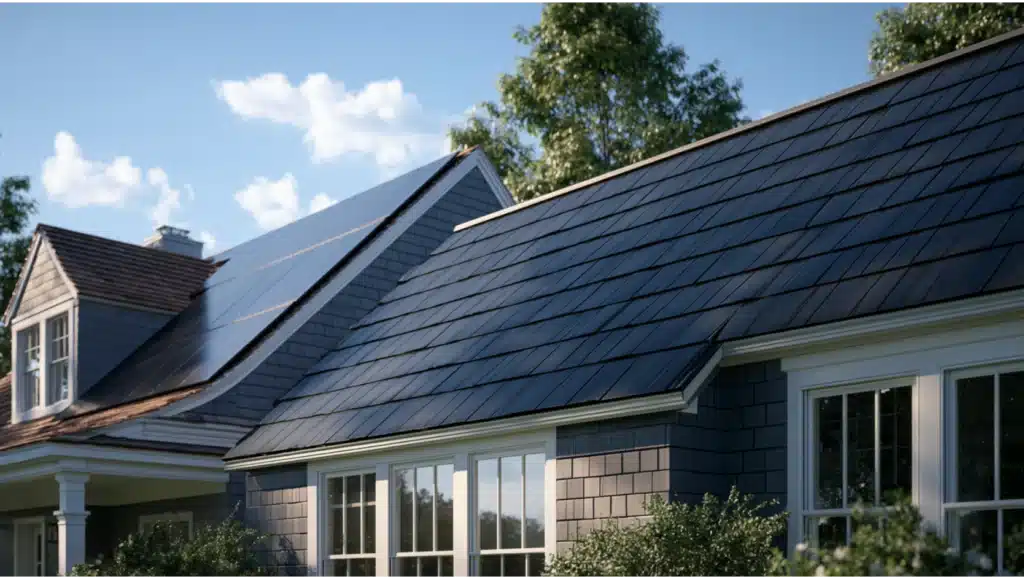
A solar roof falls under what the industry calls building integrated photovoltaics, or roofing-integrated PV. In plain terms, the roof surface itself is both the weather barrier and the solar collector. Instead of mounting equipment above your shingles, solar shingles or solar roof tiles take the place of ordinary roofing material during the installation process, using photovoltaic cells built right into each piece.
The National Renewable Energy Laboratory describes roofing-integrated PV as solar built into or replacing the roof covering, so it protects the home and produces electricity at the same time. The Tesla Solar Roof is one well-known example. The appeal is mostly visual. These products sit flush and low, often mimicking high-end architectural shingles, and a quality solar roof is designed to last 30 to 40 years, in line with premium roofing material.
What Is a Traditional Roof Plus Solar Panels?
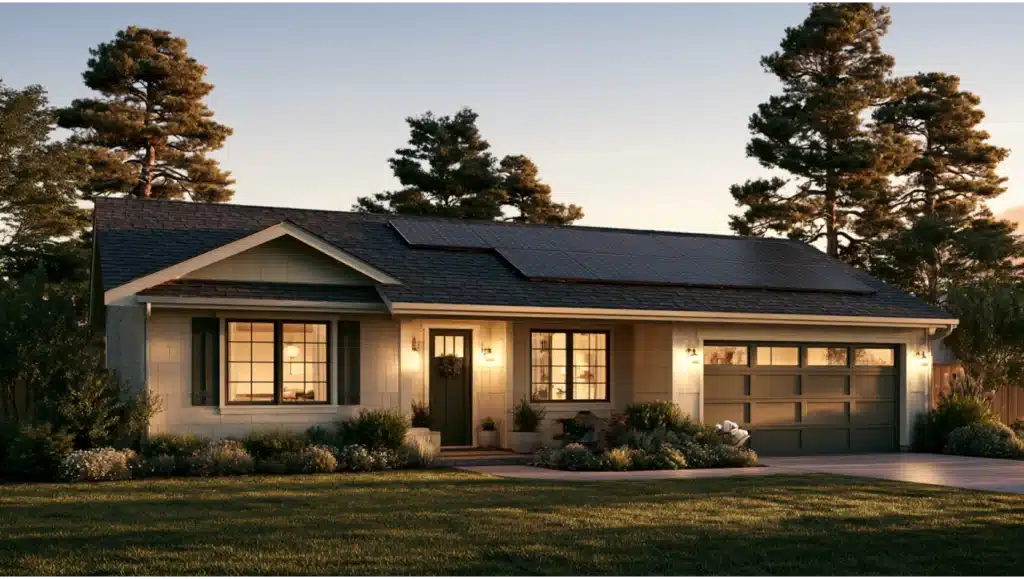
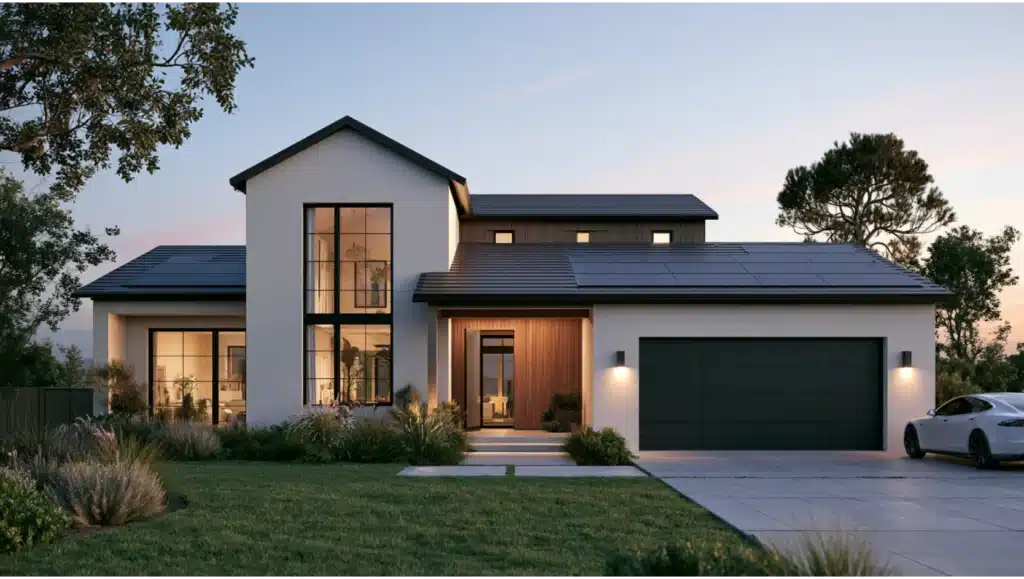
This is the two-system model, and it’s by far the most common form of home solar. First comes a complete roofing system: underlayment, proper ventilation, and your chosen surface, whether that’s asphalt shingle, tile, a metal roof, or a flat single-ply roof. Then traditional rooftop solar panels are mounted above that asphalt shingle roof or tile surface on racks and rails.
Mounting means penetrations. Hardware anchors through the roof, and each of those points has to be flashed and sealed. Add the inverters, wiring, and the electrical connection to your panel, and a straightforward panel install often runs one to three days once permits are in hand.
We look at it roof-first because the roof is the foundation everything else sits on. Get that wrong and the best solar panels in the world won’t protect your home.
The Real Decision Starts With Your Roof’s Age
Most comparison articles open with cost or looks. We’d rather start with your roof, because roof age usually decides the whole thing.
If your roof is sound with years of life ahead, traditional solar panels on the existing roof structure are often the practical call. Inspect first, confirm the decking, flashing, and ventilation are in good shape, and then add panels. But if your existing roof is near end-of-life, the honest comparison shifts to a new roof plus panels versus a solar roof over the entire roof.
Here’s the trap homeowners miss. The Department of Energy notes that when a roof under existing panels needs replacing, the panels and mounting system have to come off and go back on. That’s a real cost you pay later. A solar roof, by contrast, requires a full tear-off of the old roof up front, which is really a roof replacement bundled with your solar. Either way, roof age is the first question worth answering, not the last.
Energy Production and Efficiency: Key Differences in Power Generation
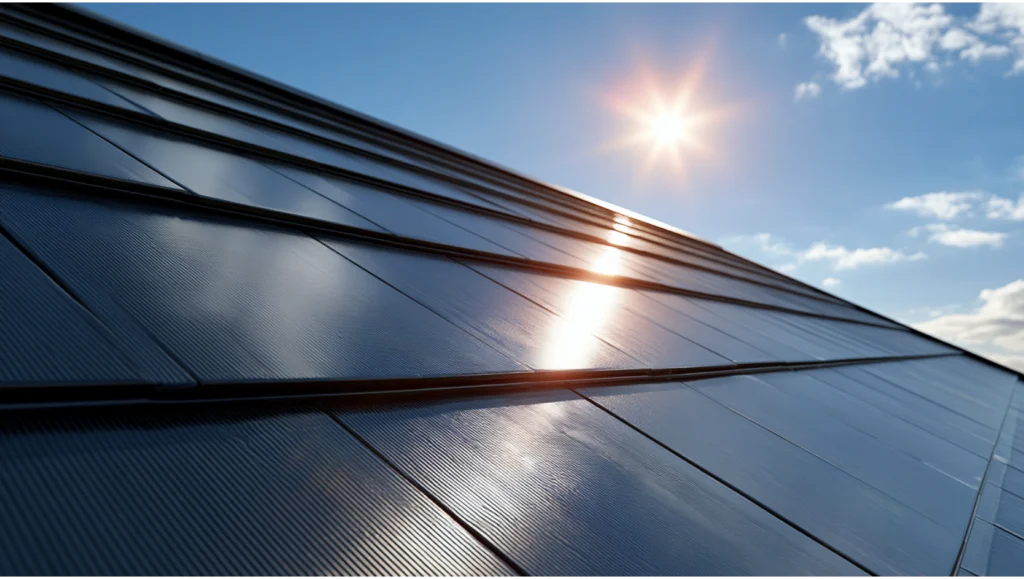
Traditional solar panels generally win on efficiency per square foot. They’re often rated above 20% efficiency and can deliver 20-plus watts per square foot, partly because they mount above the roof with airflow underneath and can be tilted toward the sun. Solar shingles typically land in the 14 to 18% range, under 16 watts per square foot, so their lower efficiency may mean you need more roof space for the same output when generating electricity. These are the key differences that shape real power generation on your home.
Both approaches convert sunlight the same way. Photovoltaic cells harness sunlight and produce DC electricity, an inverter turns that DC power into usable AC power for your home, and any extra can feed battery storage. Solar cells work best at cooler temperatures, and the DOE rates modules under standard test conditions of 1,000 W/m² of sunlight at 25°C. Sit a shingle flush against a hot roof pitch and its solar production can dip below what standard panels achieve tilted into full sun. Product specs vary, so treat these as general patterns rather than fixed rules.
Waterproofing, Roof Penetrations, and Leak Risk
This is where a roofing-first contractor matters most, and where a lot of comparison guides go quiet. Traditional panels require mounting hardware that penetrates the roof surface. Every one of those penetrations has to be flashed and sealed correctly. Done poorly, each becomes a future leak.
A solar roof moves the waterproofing conversation into the roof product itself. That shifts the risk from mounting hardware to product quality and install precision. In both cases the answer is the same: workmanship decides whether water stays out for the long haul. Sealed penetrations and clean flashing are how a roof gets done once and done right.
Maintenance, Repairs, and Long-Term Serviceability
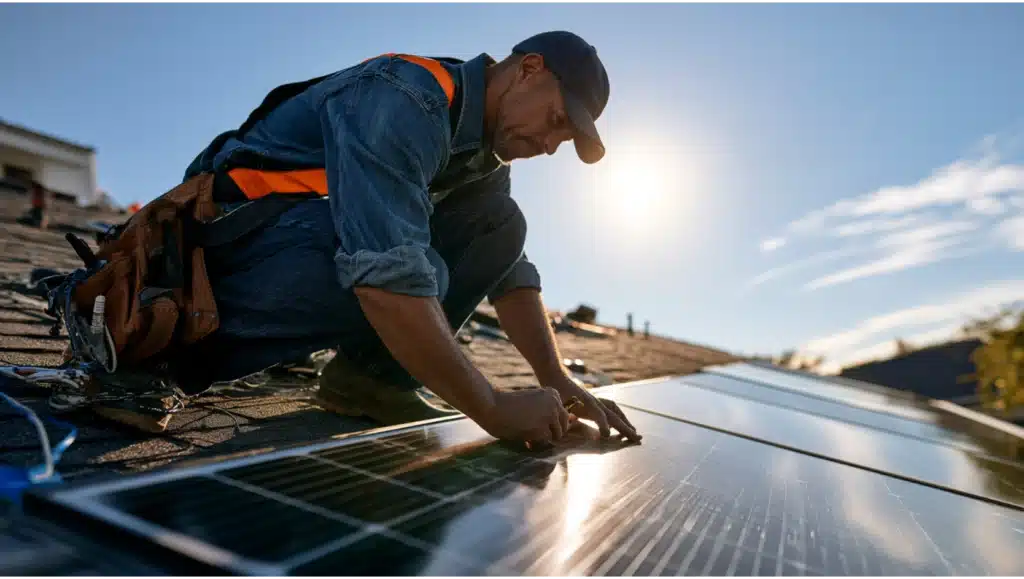
Solar hardware lasts a long time. The DOE cites a typical PV performance period of 20 to 30 years, and modules commonly degrade only about 0.5 to 1% per year, per NREL. Panels don’t stop working on a date. They quietly make a little less power over time.
Serviceability is where the two solar systems diverge. Traditional solar panels can be removed and replaced individually, and they’re supported by a large network of professional installers and parts. Solar shingles vs standard panels depend more on the specific product line staying available. If a manufacturer discontinues a product, repairs get harder. And if the roof below an aging array starts to fail, you’re back to removing and reinstalling new solar panels. That’s why long-term serviceability deserves more weight than homeowners often give it.
Curb Appeal, Aesthetics, and HOA Rules
On looks, the solar roof usually wins. The low-profile, integrated surface preserves curb appeal, while rack-mounted solar panels sit up and are more visible from the street.
If you’re worried about an HOA, California law is firmly on your side. Civil Code §714 says HOAs can’t unreasonably restrict solar. A restriction is unreasonable if it adds more than $1,000 to the system cost or cuts efficiency by more than 10%. California also folds solar shingles into the definition of a solar energy system under Civil Code §801.5, so building integrated photovoltaics products get the same protection. Many other states have similar solar-rights laws, so this concern is often smaller than homeowners fear.
California and Roseville: Codes, Permits, and Interconnection
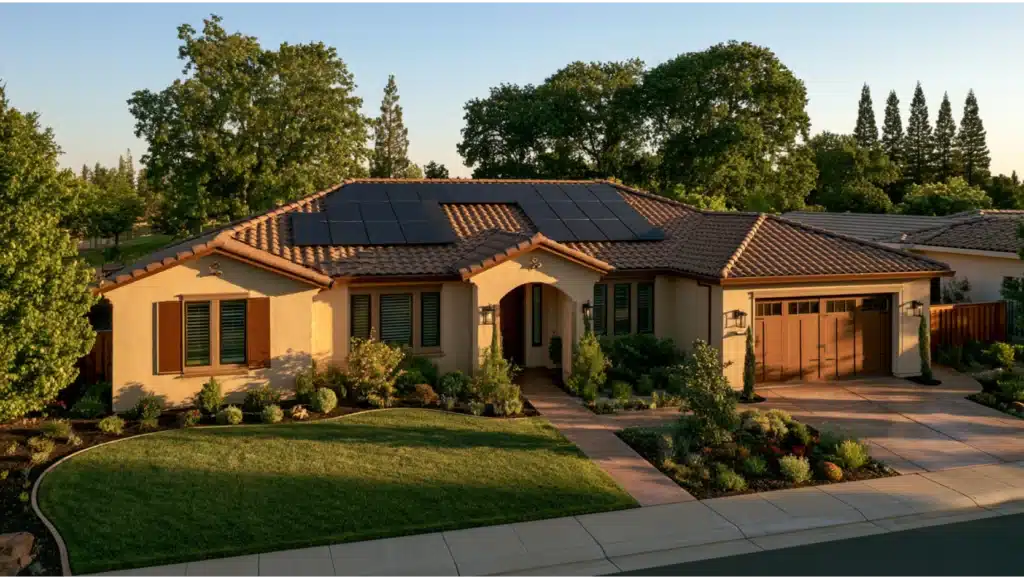
Solar isn’t just a product you buy. It’s a roof, structural, electrical, utility, and permitting project rolled together. California code requires rooftop panels to be listed to UL 2703 and solar tiles integrated into the roof surface to be listed to UL 3741. The California Fire Code also sets access and setback rules, including an 18-inch ridge setback for arrays covering 33% or less of the roof plan area.
In Roseville, there are two tracks to clear. You need city permitting through Development Services, and you need interconnection approval from Roseville Electric, whose reservation stays valid for 120 days once approved. Systems are sized to offset no more than 100% of your annual electric load. Roseville Electric is a public utility, so its process differs from PG&E, SCE, or SDG&E. Roof orientation, shading, and your address all affect solar production, which is exactly why a licensed contractor who coordinates the roof, electrical, and utility pieces saves you headaches.
What About the Federal Solar Tax Credit?
This is where a lot of older solar content is now wrong. As of 2026, the federal residential clean energy credit under Section 25D is no longer available for expenditures made after December 31, 2025. Many evergreen articles still cite a 30% credit running into the 2030s. That no longer applies to new projects, so it should not factor into your upfront cost planning.
Historically, the IRS drew a line here: solar-generating shingles and tiles could qualify because they produce electricity, while ordinary roofing material installed to support panels did not. California’s active solar property tax exclusion was extended through the 2025–26 fiscal year, so verify current status before counting on it. Talk to a tax professional about your specific situation.
Solar Roof vs Traditional Roof Plus Solar Panels: What’s Actually the Difference in Cost and Fit?
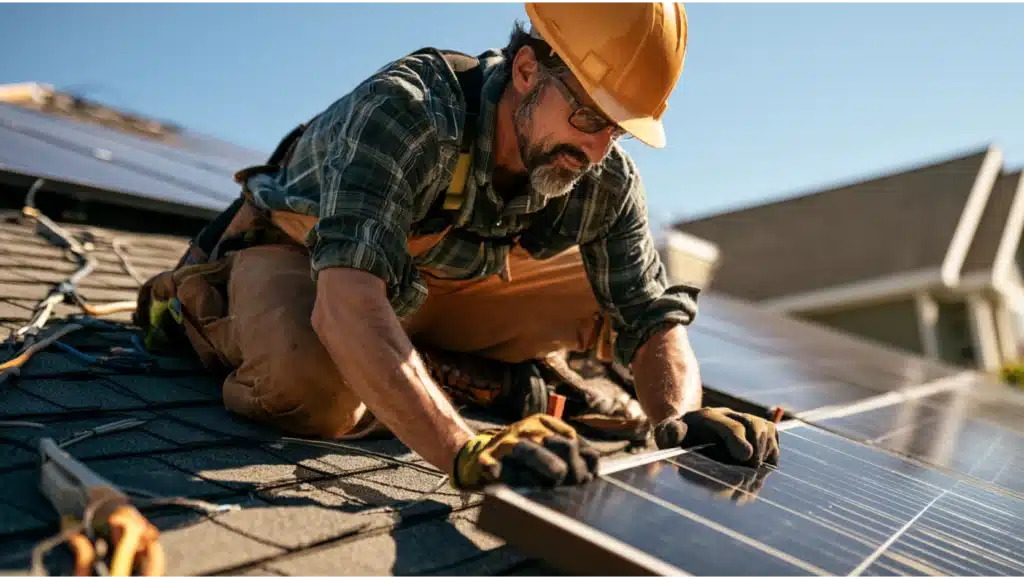
The right answer depends on your roof, not on a trend. A traditional solar panel system and a solar roof differ significantly in installation complexity, net cost, and how each delivers clean energy over time.
Choose a traditional roof plus solar panels if:
- Your roof is in good shape with years of life left.
- You want the highest energy savings per square foot.
- Easier future repairs and serviceability matter to you.
- A lower cost per watt is your priority, since traditional panels usually win there.
Consider a solar roof if:
- You already need a full roof replacement.
- A low-profile, integrated appearance is a top priority.
- You want a single integrated solution that combines roof and solar power across the whole roof.
- The product, installer, and long-term service plan are all clear.
Traditional solar panels remain the more cost effective route for most homes, though a solar roof can hold real long term value where looks and a fresh roof line up. If a solar roof isn’t the right fit for your home, we’ll say so plainly. That’s the point of an honest comparison.
How Cobex Approaches Roof-Integrated Solar
We’re a family-owned exterior specialist, and every project involving solar technology and its solar components starts with a thorough roof inspection. The roof determines everything above it, so that’s where we begin. Whether you’re leaning toward solar shingles or traditional solar panels on a new roof, our in-house crews, project managers, and client success managers keep communication clear from inspection through permitting and interconnection, with no surprises along the way. We’re licensed under CSLB #1031864.
If you’re weighing a solar roof against panels on a new roof, request a free, no-obligation quote or call 916-745-6699. It’s a quick conversation about your roof and your goals, not a sales pitch.