
Key Takeaway
The most sustainable and eco-friendly roofing materials for California homes are cool-rated metal, clay or concrete tile, quality cool asphalt shingles, and reflective low-slope membranes. Metal roofs last 40 to 70 years, are 100% recyclable, and contain at least 25% recycled content. Clay and concrete tiles can last 40 to 100 years with Class A fire ratings. All must meet Title 24 cool roof standards and carry a Class A fire rating to perform in California conditions.
What Is the Most Sustainable Roofing Material for California Homes?
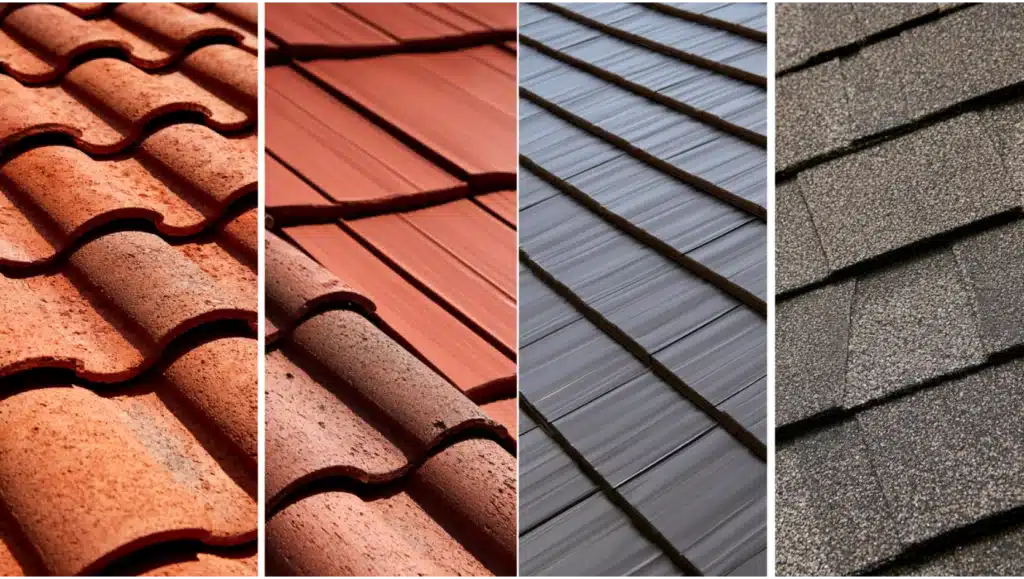
There isn’t one single “most sustainable” material. The greenest roof for a California home is a long-lasting, cool-roof-rated, Class A fire-rated system matched to your roof’s slope, your climate zone, and your solar plans. In practice, the strongest options are cool-rated metal, clay or concrete tile, high-quality cool asphalt shingles, and cool low-slope membranes. Each earns its place by reflecting solar heat, standing up to wildfire exposure, and lasting long enough to stay out of a landfill.
If you’re weighing a replacement or an upgrade and you want to get it right the first time, this guide walks through the most sustainable and eco friendly roofing materials for california homes, without the pressure.
What “Eco-Friendly Roofing” Really Means in California
Recycled content is only part of the story. In this state, eco friendly roofing has to do five things together: last a long time, reflect heat, resist fire, be recyclable when its life ends, and be installed correctly. Miss one and the sustainability math falls apart.
Longevity carries more weight than most homeowners expect. The EPA estimated the U.S. generated about 600 million tons of construction and demolition debris in 2018, more than twice that year’s household trash. Asphalt shingles are a big piece of that: roughly 15 million metric tons are discarded each year, with about 13 million landfilled and only 2 million recovered in 2018. A roof built from traditional roofing materials that fails early and heads to the dump is one of the least green outcomes there is, adding avoidable landfill waste. A roof that protects, performs, and holds up over time is doing real environmental work, quietly, every year it stays on your home, which lowers its long-term carbon footprint and environmental impact.
California Rules Homeowners Should Know Before Choosing a Roof
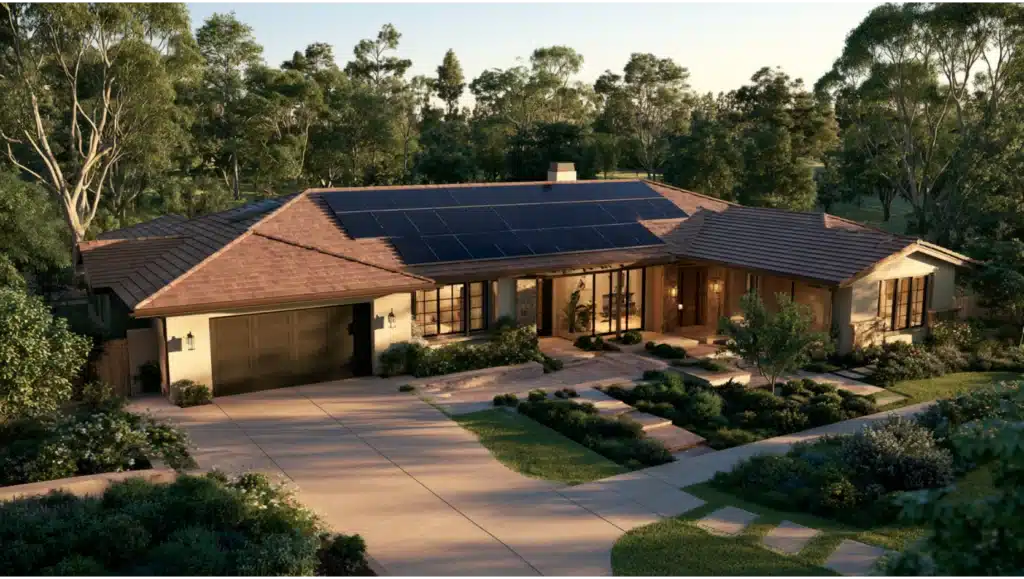
Two rules shape nearly every material decision here. First, Title 24 cool roof requirements under California’s Building Energy Efficiency Standards. The 2025 Energy Code took effect January 1, 2026, and it sets reflectance and emittance targets for new and re-roofed homes. Second, Class A fire rating, which California expects on roof coverings and assemblies.
Products used for code compliance need to be CRRC-rated, meaning they’re listed in the Cool Roof Rating Council Rated Products Directory with documented performance. That CRRC label is your paper trail for the building department, and it also documents the fire ratings that matter here.
What Is a Cool Roof, and Does California Require One?
A cool roof uses reflective materials that bounce back more sunlight and release absorbed heat faster than a standard roof, so less heat pushes into your attic and living space. Two numbers describe it, both on a 0 to 1 scale. Solar reflectance measures how much sunlight bounces off. Thermal emittance measures how well the surface sheds the heat it does absorb. Higher is cooler on both. Because roofs weather, code often references aged solar reflectance (performance after three years) and SRI, a combined index.
The payoff is real: cool roofs can stay 50 to 60°F cooler than conventional rooftops on the hottest summer days, which trims cooling costs and eases the urban heat island effect across neighborhoods. Research from the Lawrence Berkeley National Laboratory has long documented how reflective surfaces reduce heat absorption in buildings. To confirm a product qualifies, look up its CRRC Product ID. One honest note on maintenance: reflective coatings can lose performance over time and may need recoating every few years to keep doing their job.
Roseville and Climate Zone 11: A Real California Compliance Example
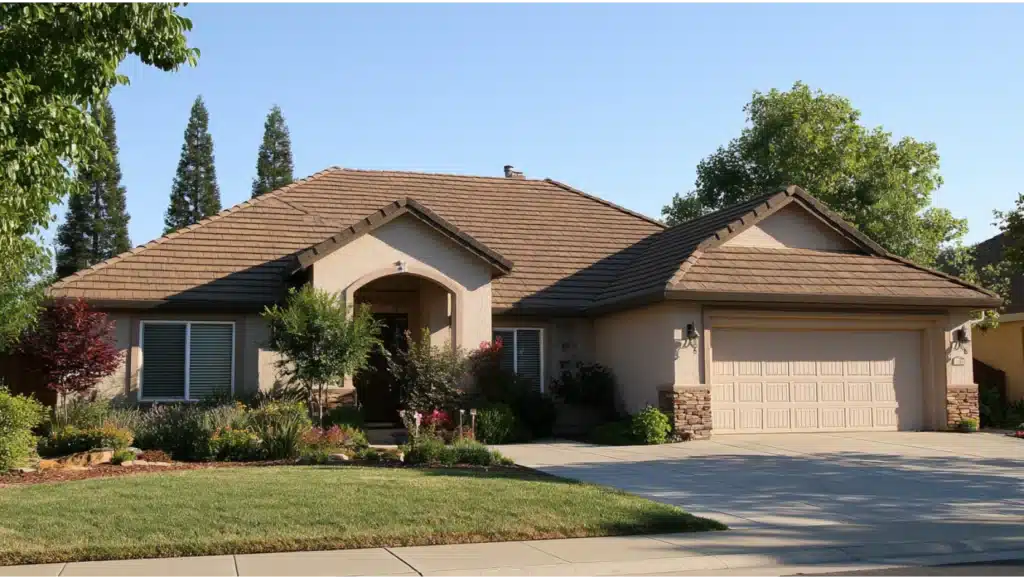
Local code makes this concrete. Roseville sits in Climate Zone 11, where summer days average around 93°F and nights cool to about 57°F. The city’s 2025 residential re-roof form spells out exactly when cool roof rules kick in and what your roof has to hit.
Requirements trigger when you replace 50% or more of the roof. Roseville defines steep-slope as pitch of 2:12 or greater and low-slope as less than 2:12, and the thresholds differ:
- Steep-slope: aged solar reflectance of 0.20, thermal emittance of 0.75, or SRI of 16.
- Low-slope: aged solar reflectance of 0.63, thermal emittance of 0.75, or SRI of 75.
Numbers vary from city to city, so always confirm current requirements with your local building department before choosing a material.
The Best Eco Friendly Roofing Materials for California Homes
These popular roofing materials are ranked by California fit, not generic reputation. There’s no universal winner. The right pick depends on your slope, structure, fire exposure, and solar plans.
Cool-Rated Metal Roofs and Energy Efficiency
Metal roofs are the strongest all-around sustainable option for many homes and one of the leaders on energy efficiency. A well-installed metal roof can last 40 to 70 years, most panels carry at least 25% recycled materials, and metal is 100% recyclable when it finally comes off. Cool-rated coatings reflect a large share of the sun’s rays and can meaningfully lower energy bills. Metal earns a Class A rating as part of a proper assembly and pairs cleanly with solar. The catch is installation: the Class A fire performance and the cool rating both depend on the full assembly being built correctly, so verify the documentation.
Clay Tiles and Concrete Tile Roofs
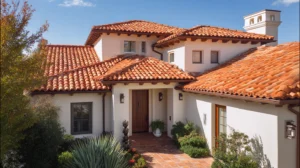
Tile is a natural fit for California and Mediterranean and Central Valley architecture. Clay tiles, ceramic, and concrete tiles can last 40 to 100 years, carry a Class A fire rating, and reflect sunlight while their thermal mass slows heat transfer into the home. Clay tile roofs and other tile roofs made from natural materials keep material out of the waste stream, and tile is recyclable at the end of its run. The main caveat is weight. A clay roof can run 600 to 1,100 pounds per square, so heavy materials like these need a load review, and the underlayment beneath matters as much as the tile itself.
Cool-Rated and Recycled Shingles
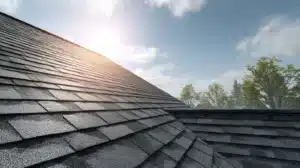
Asphalt shingles are practical and remain the most popular roofing materials in the country for good reason. Architectural shingles usually last 15 to 25 years, shorter than metal or tile, but they’re a legitimate eco friendly material when they’re cool-rated, Class A-rated, installed as a complete system, and maintained. Where local recycling markets exist, old shingles can be reprocessed into hot-mix asphalt and other products, and recycled shingles support real waste diversion, though availability varies by area. Some manufacturers now blend wood fiber and other upcycled inputs into their products, and lines such as Malarkey shingles are known for using recycled content. We install complete shingle systems such as the Owens Corning Total Roofing Protection System, where the components are designed to work together rather than as loose parts.
Cool Low-Slope Membranes and Roof Coatings
For low slope roofs or roof sections, white and highly reflective single-ply membranes and liquid-applied coatings deliver strong reflectance, which is why low-slope cool roof thresholds run higher than steep-slope ones. These roofing systems help reduce heat absorption on flatter sections. Coatings do need periodic recoating to hold their performance, so plan for that as part of the roof’s care over time.
Solar-Ready Roofing and Solar Shingles
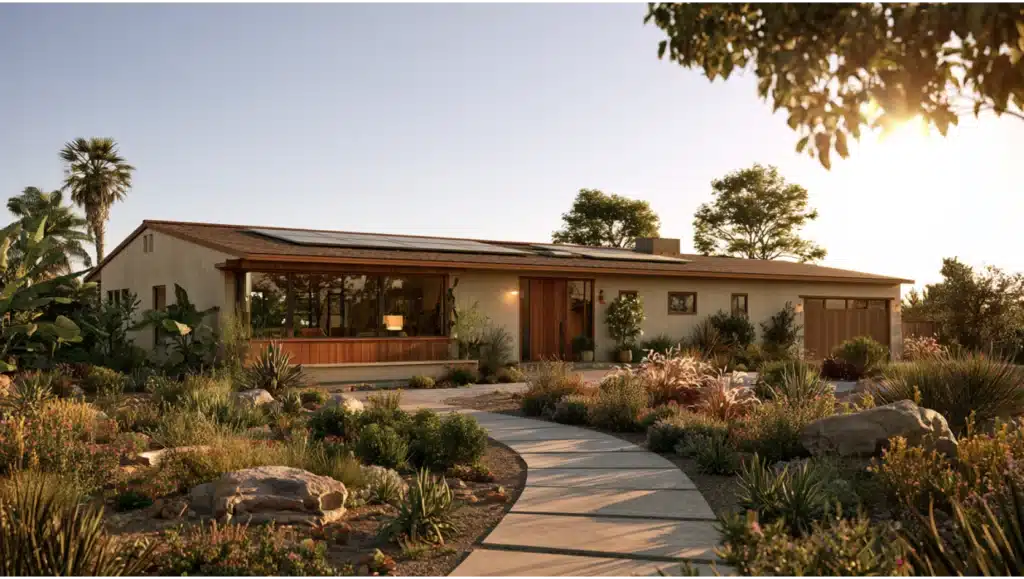
Solar is sustainable when the roof beneath it is ready for long-term service, and the choice to install solar panels supports both energy savings and a broader move toward sustainable living. Panels aren’t a roofing material, and each mount is a penetration that has to be sealed right, so if your roof is aging, replace or upgrade it before adding solar. Solar shingles and integrated solar roofing generate clean electricity while acting as the roof surface, and any solar system needs periodic cleaning to keep producing. One honest planning note: under current IRS guidance, the federal Residential Clean Energy Credit is not allowed for expenditures made after December 31, 2025, so don’t count on that particular credit going forward.
Slate Roofing, Synthetic Roofs, and Green Roofs (Special Cases)
These are worth knowing but rarely the default. Slate roofing is remarkably durable, with a minimum life expectancy of 75 years and many roofs running 100 to 150, but it’s heavy, specialized, and costly. Synthetic roofs and composite slate can be a lighter alternative if you verify Class A rating, CRRC data, local code acceptance, and manufacturer documentation, and some use upcycled rubber to keep material out of the landfill. A green roof offers genuine stormwater and heat-island benefits, but it needs structural reinforcement, irrigation, and weeding, which makes it a hard fit for most pitched California homes, especially in drought and wildfire country.
Roofing Materials to Approach Carefully in California
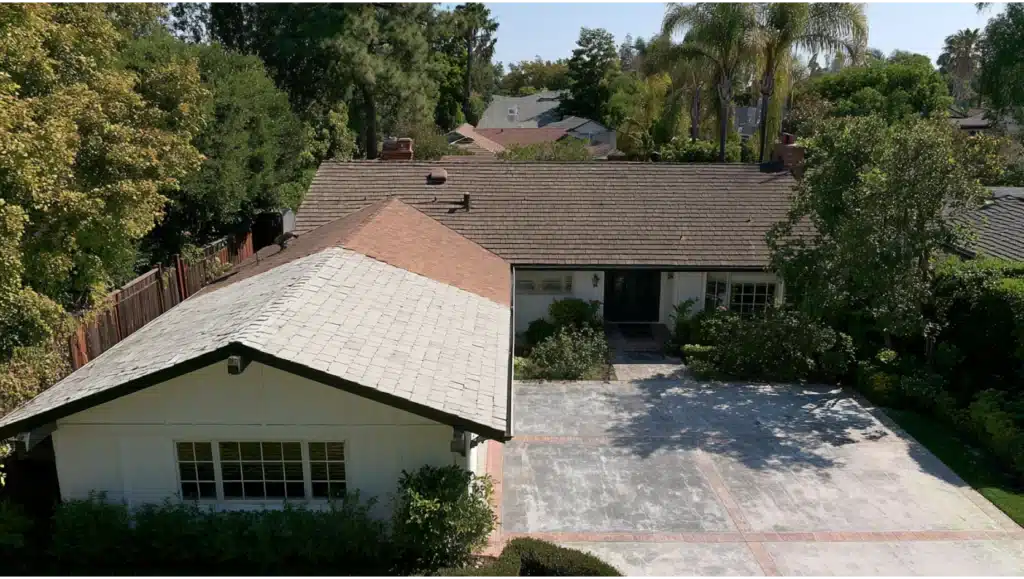
Some options look green on paper but struggle in California conditions and harsh weather conditions:
- Wood shakes, cedar shake, and wood shingles. These wooden shingles are natural, yes, but a difficult fit given wildfire exposure and Class A assembly requirements, even when treated with fire retardants.
- Dark, non-cool-rated roofing products where cool roof compliance applies.
- Unpainted metal or other materials lacking verified emittance or CRRC data.
- Any material mismatched to your roof slope or structural capacity.
Fire resistance is not optional here. Along the coast, coastal air and salt exposure add another wear factor to weigh. CAL FIRE calls for Class A roof coverings and assemblies, and a fire resistant roof is central to the California Department of Insurance’s Safer from Wildfires framework, where mitigation actions can qualify for an insurance discount. Actual treatment varies by carrier, so check with your insurer.
How to Choose the Right Eco Friendly Roofing for Your Home
The best material is the one that answers your home’s specific questions. Work through these with a roofing contractor you trust:
- Roof slope (steep-slope or low-slope)
- Your climate zone and its cool roof thresholds
- Existing structure and how much weight it can carry
- Wildfire exposure in your area
- Whether solar is in your plans now or later
- HOA rules, curb appeal, and neighborhood aesthetics
- Ventilation and attic heat, since a cooler roof eases your air conditioning load and steadies indoor temperatures
- Maintenance you’re willing to keep up with
- Tear-off disposal and local recycling options
- Product documentation: CRRC Product ID, Title 24 form, Class A rating
For homeowners in Southern California homes and drier inland areas alike, reducing cooling costs and cutting air pollution tied to grid demand both point toward an environmentally friendly, reflective roof.
Why Installation Quality Matters as Much as the Material
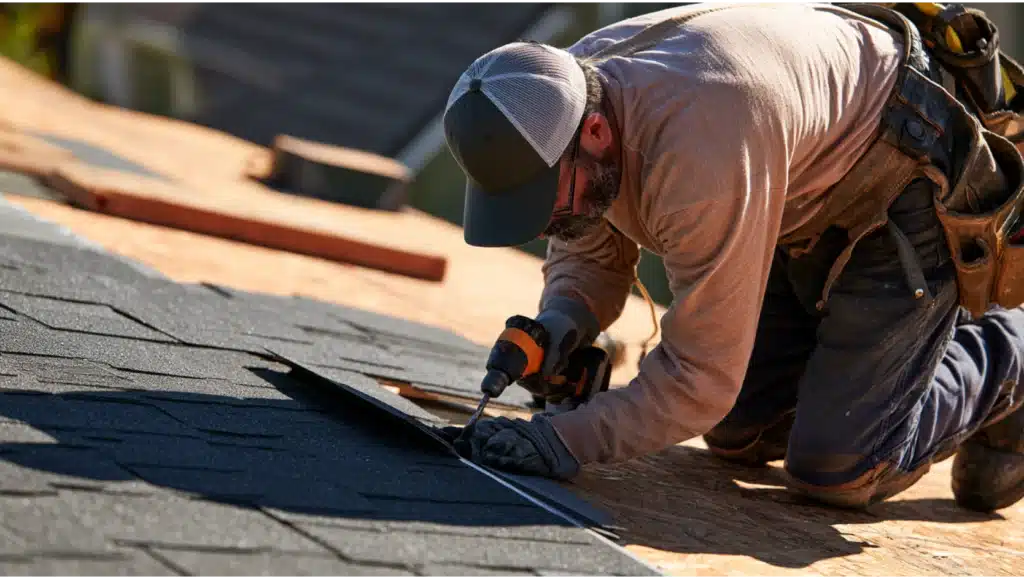
The most sustainable material in the world fails early if the installation process is done poorly, and early failure is the least green outcome of all. Underlayment, flashing, ventilation, sealed penetrations, and the condition of the roof deck decide whether a new roof reaches its extended lifespan or leaks in year eight. That’s the part homeowners can’t see and can’t shop by price.
We built Cobex Construction Group around exterior work for this reason. Our in-house crews follow a structured process, we favor the right product over the cheapest one, and we keep you in the loop from inspection through the final walkthrough. We’re licensed under CSLB #1031864, and we’d rather do it once and do it right than come back to fix a shortcut. When your roof shows wear, we inspect, then recommend the honest next step: repair, replace, or upgrade.
Frequently Asked Questions
What is the most environmentally friendly roofing material?
What is the best roof for a California home?
What is the 25% rule for roofing?
Do I need to replace my roof before installing solar?
Are green roofs practical in California?
Ready to Talk Through Your Options?
Choosing an eco friendly roof and trimming your energy costs is a big decision, and you shouldn’t have to make it alone. If you’d like a clear read on what fits your home, your slope, and your local code, request a free estimate or schedule an inspection. Call us at 916-745-6699 or email info@cobexcg.com, and we’ll walk you through it, no pressure, no surprises.