
If you’re a California homeowner, you’ve likely heard the term HVAC tossed around when talking about heating, cooling, or improving indoor air quality. But what is HVAC, really? More importantly, how does it affect your comfort, energy costs, and air quality inside your home?
At Cobex Construction Group, we believe homeowners should feel confident in the systems working behind the walls and above the ceiling. In this complete guide, we break down everything you need to know about HVAC systems in everyday language, what HVAC stands for, how different HVAC components work together, and how upgrades like roofing, windows, and siding can dramatically improve energy efficiency and air quality.
Let’s dive into how these systems operate and why a whole-home approach makes all the difference.
What HVAC Stands For and What It Does
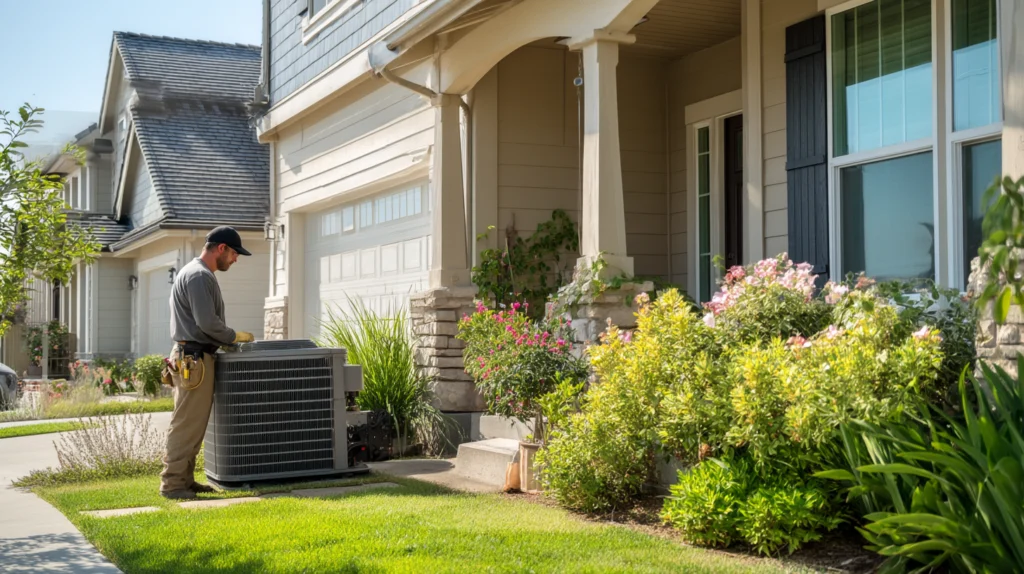
HVAC stands for Heating, Ventilation, and Air Conditioning. Together, these systems work to control your home’s temperature, humidity levels, and indoor air quality. A typical HVAC system includes multiple HVAC components like air handlers, duct systems, thermostats, and ventilation systems, all working to create a healthier, more comfortable indoor environment.
Heating Ventilation and Air Conditioning Systems Explained
- Heating warms the air in colder seasons.
- Ventilation introduces fresh air and removes stale air and excess moisture.
- Air conditioning cools the home by removing heat and humidity, maintaining optimal indoor air quality and temperature control.
Whether it’s a single air conditioning unit or a full HVAC system, the goal is to manage comfort and indoor air quality while maximizing energy efficiency.
Heating Systems: How They Work and Why They Matter
In many California homes, the heating system consists of gas or electric furnaces, heat pumps, or boilers. These HVAC components work by generating heated air and distributing it through a duct system.
Types of Heating Systems
- Heat pumps are growing in popularity across California. They move heat rather than generate it, offering both heating and cooling.
- Geothermal heat pumps use underground temperatures for extreme energy savings.
- Air source heat pumps extract heat from the surrounding air and are suitable for most California climates.
- Central heating systems use a single unit to warm the entire home via ductwork and vents.
A key point many homeowners overlook is insulation. Even the best heating ventilation and air conditioning systems struggle to keep your home warm if your windows are drafty or your roofing lets warm air escape. At Cobex, we recommend combining heating system upgrades with energy efficient exterior improvements like roofing and siding.
Ventilation: The Key to Indoor Air Quality
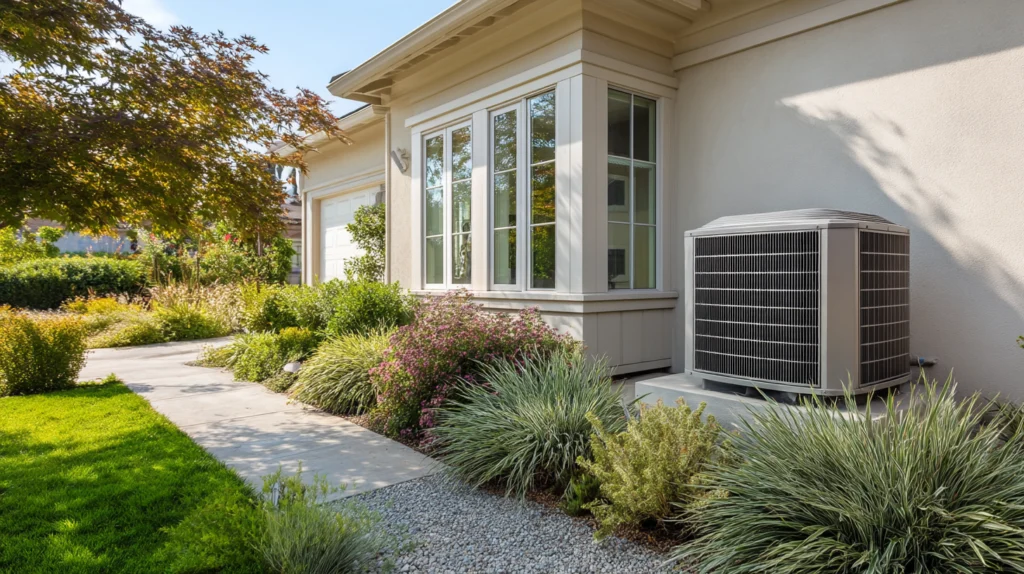
Ventilation is often the most overlooked part of HVAC systems, but it’s essential for maintaining acceptable indoor air quality and comfort. Ventilation brings in outdoor air, exhausts stale indoor air, and helps regulate humidity control, especially in modern, airtight homes.
Natural and Mechanical Ventilation Systems
There are two main types:
- Natural ventilation: Uses windows, vents, and passive airflow. While this introduces fresh air, it lacks control and can let in allergens or pollutants.
- Mechanical ventilation systems: Use fans, ducts, and filters to bring in ventilation air and exhaust stale air. They improve airflow and allow for better temperature control and air filtration.
Ventilation systems not only enhance indoor air quality but also reduce issues like mold, allergens, and excessive moisture. They’re especially beneficial in energy-efficient homes where proper ventilation is harder to achieve naturally.
Air Conditioning: Staying Cool and Efficient in California
California summers can be intense. That’s where air conditioning systems come into play. An air conditioner cools your home by removing heat and moisture from the indoor air, circulating cooled air through the ductwork.
Common Types of Air Conditioning Systems
- Central air conditioning: A standard for many homes, this uses an indoor unit and outdoor unit connected by refrigerant lines and air ducts.
- Ductless systems: Ideal for home additions or areas without existing ductwork.
- Traditional air conditioners: These include window or portable AC units but are less efficient than modern HVAC options.
- Heat pumps: These serve as both heaters and air conditioners, using a reversible process to provide year-round comfort.
The effectiveness of any air conditioning unit depends on your home’s insulation and roofing. A poorly insulated attic, for example, traps outside air, forces your AC to work harder, and raises energy bills. Upgraded roofing and siding from Cobex can significantly boost energy efficiency.
How HVAC Systems Work Together
All HVAC components work in harmony to create a balanced indoor environment. Heating manages warm air, ventilation systems remove pollutants and moisture, and air conditioning provides cooling. These systems are controlled by thermostats that allow temperature control throughout the day.
Modern thermostats, especially smart ones, can regulate zones in your home to avoid wasting energy. Zoned heating and cooling also make it easier to maintain optimal indoor air quality by targeting specific indoor and outdoor areas of your home.
The Role of Ductwork and Air Distribution
Duct systems are critical in delivering supply air and returning exhaust air. If ducts are leaky, poorly insulated, or dirty, you’ll experience uneven temperatures and higher energy use. Sealed and insulated air ducts help HVAC systems operate at peak energy efficiency.
Why HVAC Efficiency Is a Whole-Home Matter
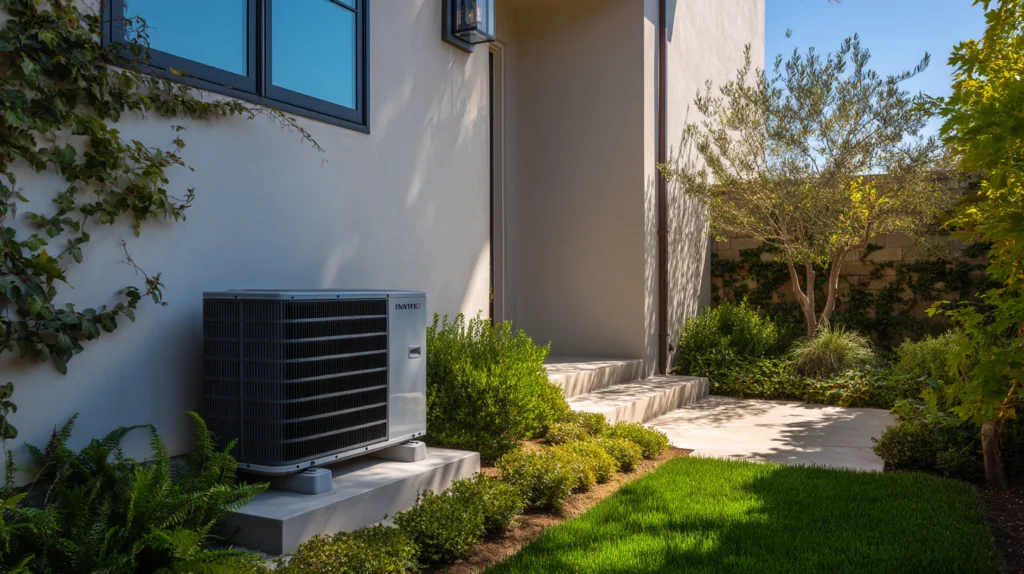
You can invest in a high-performance air conditioning system, but if your windows leak outside air or your siding is worn out, your HVAC equipment will be working overtime. That’s why we promote a whole-home approach to energy efficiency.
Exterior Upgrades That Boost HVAC Performance
- Energy-efficient windows and doors reduce air leaks and improve air circulation inside your home.
- Insulated siding and house wraps minimize the transfer of outdoor air and reduce heat gain or loss.
- Reflective roofing and attic insulation help reduce attic temperatures, which lowers the load on your cooling system.
These upgrades allow your HVAC unit to operate less frequently, lowering your energy bills and extending equipment lifespan.
Choosing the Right HVAC System
The right HVAC system depends on several factors including home size, layout, and your energy efficiency goals. Many HVAC systems can be customized to suit California homes, offering zoned control, smart tech, and compatibility with renewable energy sources.
Key Factors to Consider
- Home layout: Larger or multi-level homes benefit from zoning and ductless setups.
- Climate: California homes need both heating and air conditioning systems that can handle seasonal shifts.
- Existing infrastructure: The condition of your electrical system and existing ducts impacts HVAC installation options.
- Technology preferences: From smart thermostats to solar-powered heat pumps, there are many modern options.
What’s New in HVAC for 2025
The HVAC industry is evolving quickly. Here’s what’s trending this year:
- Smart HVAC equipment: Integrated apps, learning algorithms, and energy tracking features.
- Eco-friendly refrigerants: Reducing environmental impact without compromising cooling.
- Solar-compatible systems: Merging HVAC with solar for higher energy savings.
- Advanced zoning and automation: Full control over indoor units in multiple rooms.
- Improved air cleaner technology: Better air filters and air handlers that remove allergens and improve indoor air purity.
HVAC Maintenance and When to Replace
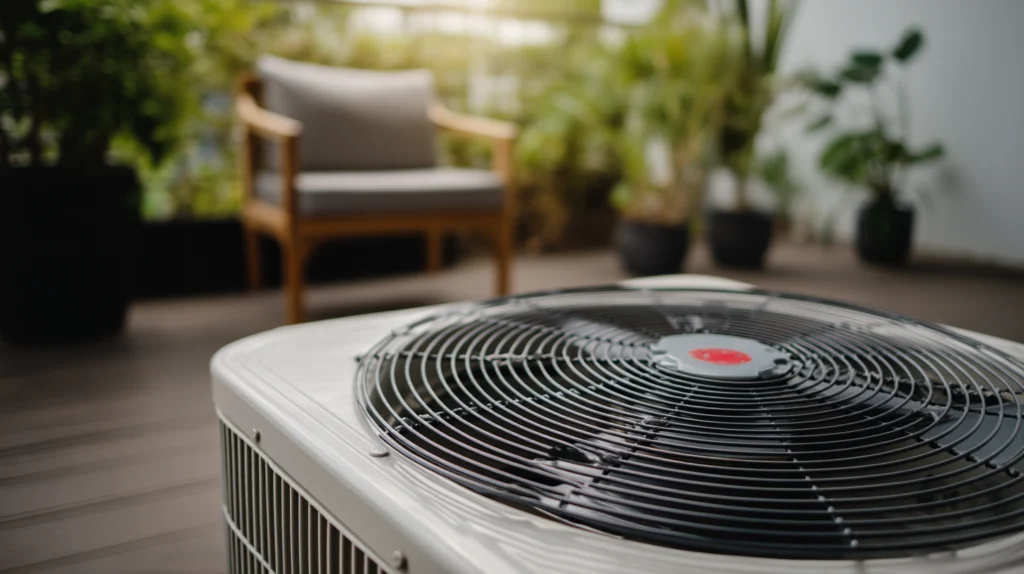
Proper maintenance is key for keeping HVAC systems efficient and improving indoor air quality.
DIY Maintenance Tips
- Replace air filters every 1–3 months.
- Clean around your outdoor unit.
- Monitor your thermostat settings for energy use.
- Keep vents clear to improve air circulation.
When to Call HVAC Professionals
- Annual HVAC inspections or seasonal tune-ups.
- Sealing or cleaning ductwork.
- Diagnosing odd noises, temperature inconsistencies, or airflow issues.
Signs It’s Time for a Replacement
- The HVAC unit is 10–15 years old.
- Frequent and costly repairs.
- Energy bills are climbing.
- Poor air conditioning or uneven heating.
- Poor indoor air quality despite filter changes.
Replacing your system may seem costly upfront, but with proper HVAC installation and supporting exterior upgrades, you’ll enjoy better comfort, healthier air, and long-term energy savings.
How Exterior Upgrades Help HVAC Systems Work Better
A high-performing HVAC system starts with a well-sealed exterior. Your air conditioning unit works best when paired with energy-smart features that reduce leaks and improve your home’s thermal envelope.
Energy-Efficient Windows and Doors
Installing modern windows and doors helps seal in cooled air and keeps out outside air. Features like low-E coatings, multi-pane glass, and tight seals make a huge impact on air conditioning performance.
Roofing and Siding
Proper roofing materials and insulation help keep attic temperatures stable, reducing the burden on your air conditioner. Quality siding with modern wraps and insulation forms a barrier that reduces heat transfer and prevents excessive moisture.
HVAC FAQs for California Homeowners
What does HVAC stand for?
HVAC stands for Heating, Ventilation, and Air Conditioning.
What’s the difference between HVAC and AC?
AC, or air conditioner, refers to the cooling system. HVAC includes the entire system: heating, ventilation, and air conditioning.
How long do HVAC systems last?
A typical HVAC system lasts 10 to 15 years with proper care.
How often should I service my HVAC system?
At least once per year, or twice if you use both heating and cooling heavily.
Are smart thermostats worth it?
Yes, they offer better temperature control, reduce waste, and help you track usage.
Do exterior upgrades really impact HVAC efficiency?
Absolutely. A sealed and insulated home allows HVAC systems to maintain indoor air quality and temperature with less effort.
Final Thoughts: Why a Whole-Home Approach Wins
So, what is HVAC? It’s more than just a collection of equipment. It’s a full system responsible for comfort, health, and energy efficiency in your home. And the performance of HVAC systems is directly affected by the quality of your exterior.
At Cobex Construction Group, we take a whole-home approach, because your roof, windows, doors, and siding all impact how well your HVAC system can do its job. We’re here to help you improve your indoor environment, reduce energy bills, and enhance comfort with every project. You can read what our clients have to say about their experience with us.
Upgrade Your Comfort with Cobex
Whether you need a roofing upgrade, new energy-efficient windows, or siding that supports better air circulation and comfort, Cobex is your trusted partner in Northern California. Contact us today for a free estimate and see how exterior remodeling can work hand-in-hand with your HVAC system to create the home you deserve.