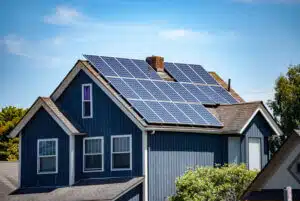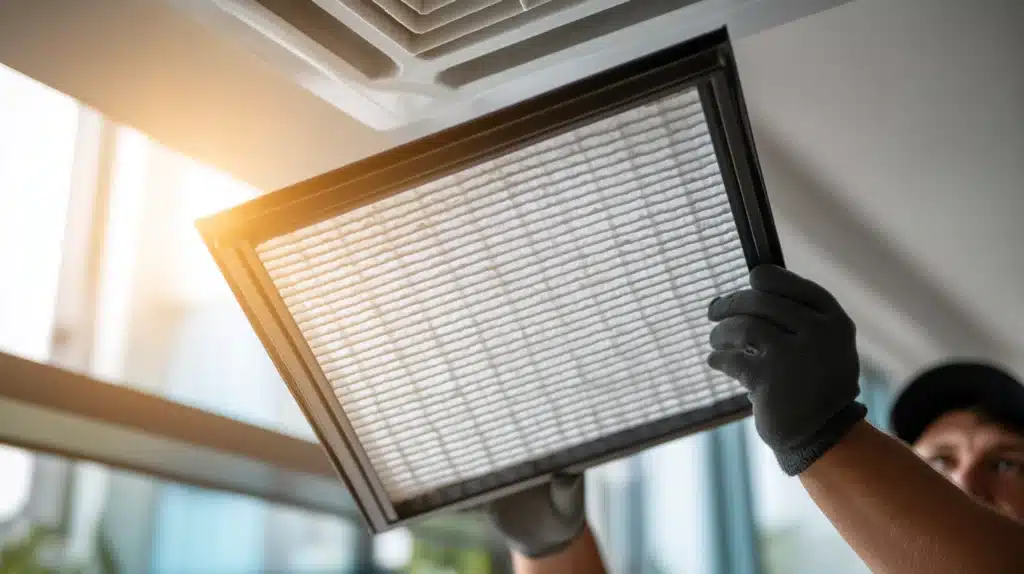

If you’ve noticed water dripping from your ceiling near a return vent or filter, you’re not alone. Many California homeowners assume the culprit is a roof leak, but in many cases the real issue lies with your air conditioning unit. A leaking HVAC filter or return vent area often means your system is producing excess condensation or failing to drain properly, especially if your unit is installed in the attic. At Cobex, we’ve seen this issue misdiagnosed more times than we can count. That’s why we’re breaking down exactly what causes HVAC filters leaking from roof situations, and how to get it fixed the right way.
Is It Really a Roof Leak or an HVAC Issue?
Let’s start with the most common question: is the leak coming from your roof or your hvac system?
Signs of a roof leak include leaks appearing or worsening after rain, water stains near chimneys, skylights, or flashing, missing or damaged shingles. Signs it’s an hvac related condensation or drainage issue include the leak occurring during hot weather when your air conditioner is running, the area around your return vent or air filter is wet or sagging, or no signs of exterior roof damage. In many homes, especially those with attic installed correctly air conditioning unit, the leak appears at the ceiling, near the return grille. That’s why it’s so often confused with a roof leak. But condensation, clogged drain line, or damaged drain pan can all cause water to build up and overflow, leaking right onto your ceiling.
Need help identifying the source? Our team offers detailed roof inspections to rule out any roofing‑related concerns.
5 Common Causes of HVAC Filters Leaking from Roof or Attic Spaces

1 | Clogged or Improperly Draining Condensate Drain Line
Every air conditioning unit produces condensation as it cools the air. That moisture, in the form of water vapor and water droplets, is meant to drain safely through a small PVC pipe called the drain line or drain channel. If this line is clogged or plugged by dust, debris, algae or even insects water can back up and overflow near the evaporator coil, which is often located near or above your air filter. Over time, that accumulated water can pool in your HVAC return box or leak onto the ceiling below.
2 | Damaged or Rusted Drain Pan
Beneath your evaporator coil is a drain pan designed to catch any condensation that doesn’t immediately flow into the drain line. If this pan is cracked, rusted or not sloped properly water can escape the system and leak into your home’s attic space. From there it often drips down near insulation, ductwork or the top of your ceiling drywall, showing up right around the filter vent.
3 | Frozen Evaporator Coil Due to Poor Airflow or Low Refrigerant Levels
A dirty air filter can restrict airflow through the system which may cause the evaporator coil to freeze. Low refrigerant levels, a common issue related to a refrigerant leak, can also cause the coil to freeze by lowering the pressure and temperature inside the coil. When the coil eventually thaws it can release a large volume of water all at once, more than the drain system can handle. The result? Water overflowing and seeping out near the return plenum and filter, often appearing as a ceiling leak. This is one reason we always recommend replacing the air filters regularly and monitoring refrigerant levels.
4 | Uninsulated or Cold Ductwork in Warm Spaces
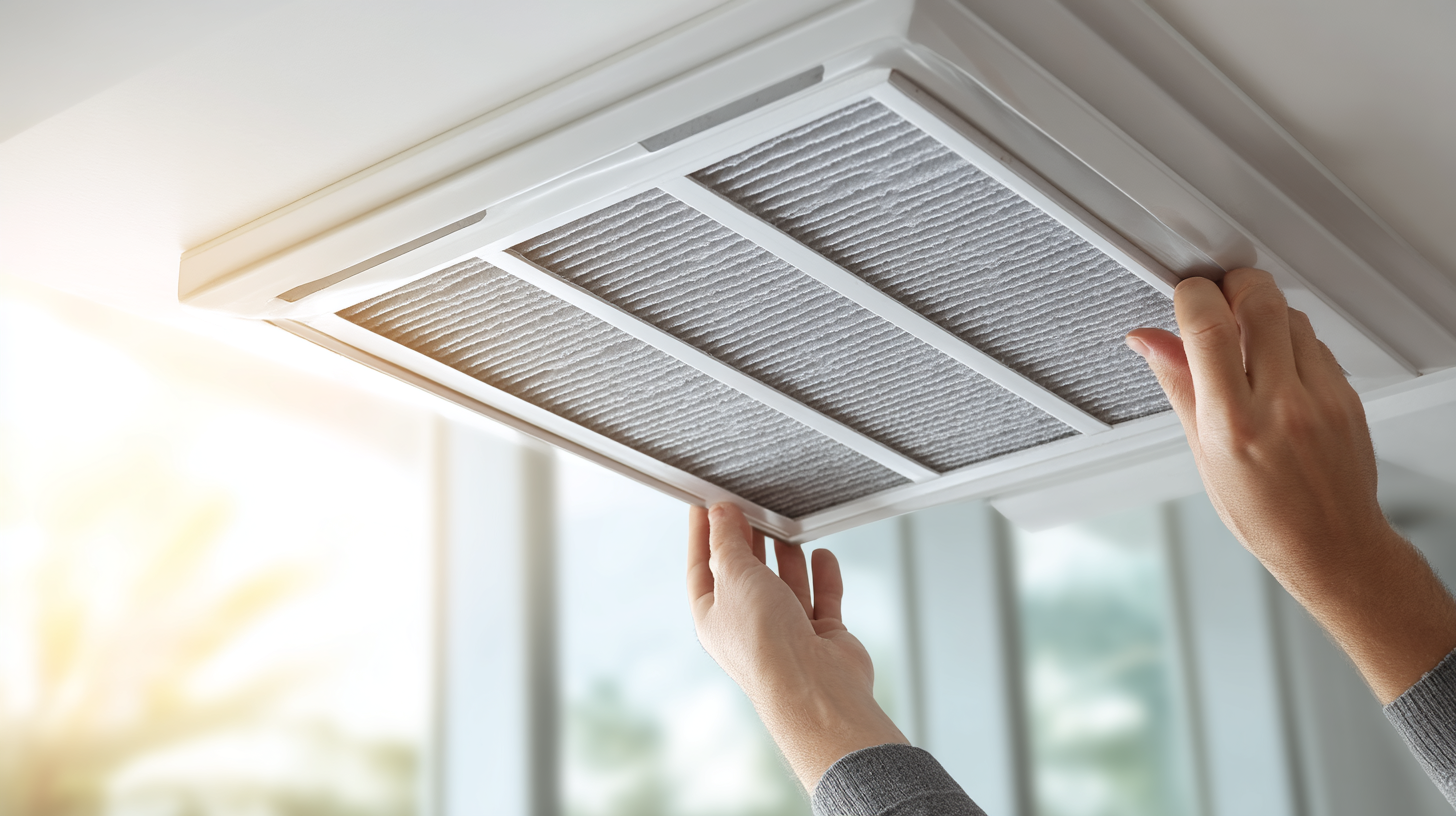
When cold metal ductwork runs through a hot attic the temperature difference can cause moisture to condense on the outside of the ducts. This condensation can drip down near your filter area or accumulate on ceiling drywall, giving the appearance of a roof leak. In older homes this is especially common if ductwork or return plenum boxes aren’t properly insulated.
5 | Incorrect HVAC Installation, Age‑Related Wear, or Faulty Condensate Pump
Poor system design or aging components can also cause leaks near your filter area. Common issues include improperly pitched condensate drain line, loose filter grilles or return plenum seams, missing secondary drip tray in attic installations, lack of safety shut‑off switches to prevent overflow, or a malfunctioning condensate pump that fails to remove accumulated water effectively. Over time even small inefficiencies in the HVAC setup can lead to leaks that damage ceiling drywall, insulation and your home’s air quality.
Also, a malfunctioning fan within the HVAC system can contribute to abnormal moisture buildup, as it may not circulate air properly, leading to excess condensation and potential leaks near your filters.
Is My Roof to Blame? How HVAC Leaks Are Often Misdiagnosed
Because HVAC filter leaks often appear in the ceiling it’s easy to assume the roof is failing. And sometimes that’s true, especially if water is entering through damaged flashing or roof vents. But in many cases it’s a mis‑diagnosis that leads to wasted time and money.
We’ve had homeowners call us out for a roof inspection only to discover the “roof leak” was actually a clogged drain line associated with the air conditioning unit. That’s why a comprehensive approach matters, examining both roof structure and HVAC layout to pinpoint the actual cause.
Good news: Our roofing team knows what to look for and can quickly identify whether the issue is external (roof‑related) or internal (condensation or HVAC drainage) in nature.
How to Diagnose the Source of the Leak
Step 1: Check for HVAC Use Timing and Room Conditions
If the leak only appears when your air conditioner is running or during warm humid weather it’s likely a condensation issue caused by heat and humidity in the room. If it occurs during or after rainfall a roof inspection may be necessary.
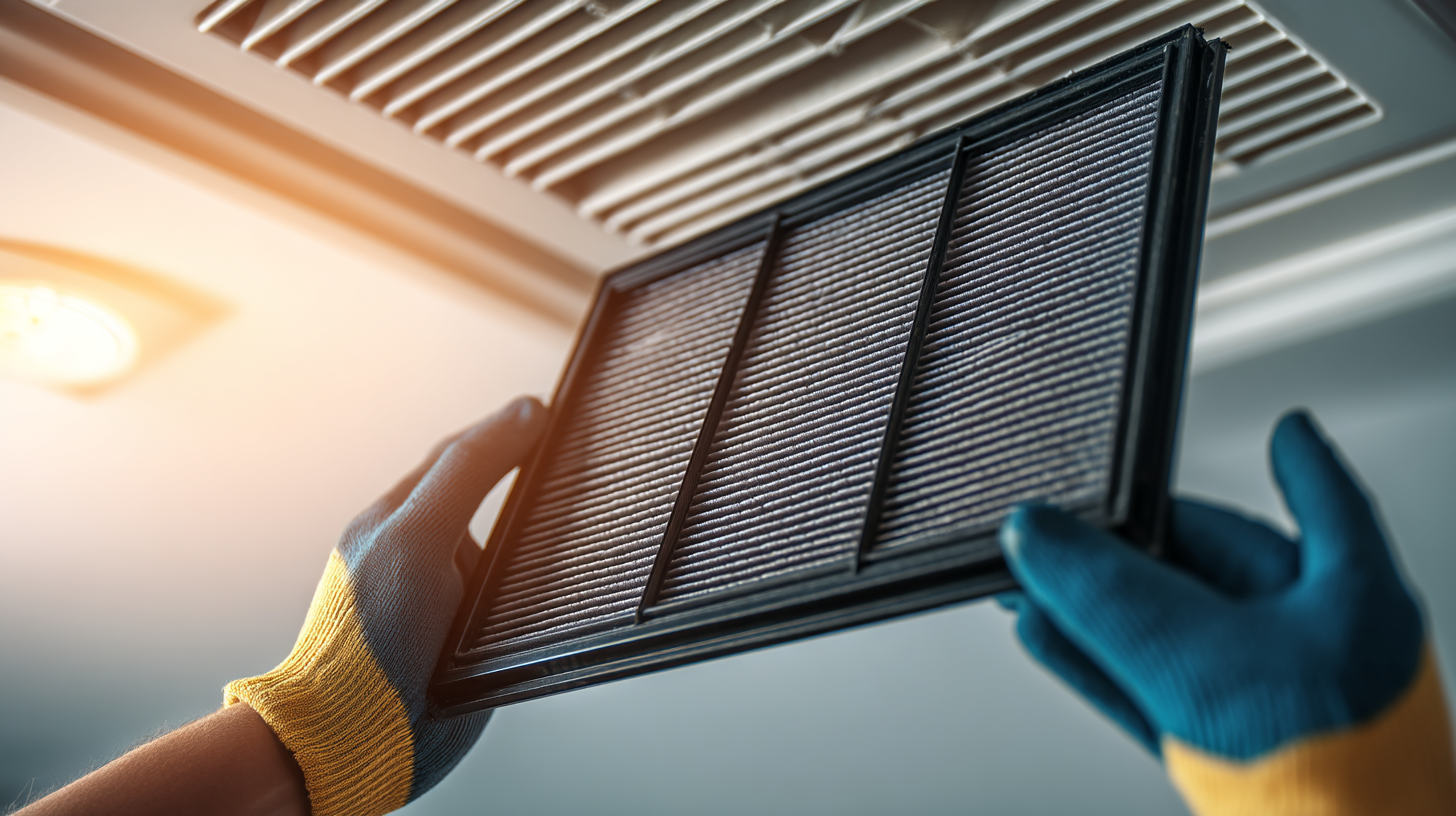
Step 2: Inspect Filter and Return Grille
If your air filter is wet sagging or discolored moisture is entering through the HVAC system. Check the return grille area for rust mold or pooled water.
Step 3: Look at the Condensate Drain Line or Drain Channel
Locate the white PVC drain line near your HVAC unit (usually in the attic or outside the house). If no water is draining from it while the system is running or if it’s visibly blocked there’s likely a clogged drain line.
Step 4: Examine the Drain Pan and Condensate Pump
Using a flashlight inspect the evaporator coil and the drain pan underneath it. Look for signs of rust cracks or standing water. Also check the condensate pump for proper operation. A properly functioning drain pan and pump should be dry shortly after the system cycles off.
Step 5: Schedule Professional Help
If you can’t find the issue it’s time to bring in professionals. A licensed HVAC technician can evaluate drainage, insulation, coil performance, refrigerant pressure, and check for refrigerant leaks while a trusted roofer like Cobex can rule out external moisture problems.
How to Prevent HVAC Filters Leaking from Roof Issues in the Future
Replace your air filters regularly to keep airflow optimal and prevent leaks. Schedule seasonal HVAC maintenance at least once a year. Flush your condensate drain line annually to prevent clogs. Make sure your attic ductwork is properly insulated. Consider upgrading attic ventilation to reduce temperature swings and humidity. Have your roof inspected every one to two years to catch overlapping issues early. Maintaining your HVAC fan in normal working condition is also essential to ensure proper air circulation and prevent moisture buildup.
When to Call Cobex: The Roofing Side of the Equation

At Cobex we frequently uncover HVAC‑related water leaks during routine roof inspections. Our trained roofing professionals understand how roof systems interact with attic HVAC setups especially in Northern California homes where rooftop AC units or attic‑installed air conditioning units are common.
If we confirm the leak isn’t roof‑related we won’t waste your time or money. Instead we’ll help you coordinate with a licensed HVAC technician if needed and ensure your attic or roof assembly is protected against future water damage.
Our goal isn’t just to fix problems it’s to prevent them from coming back.
FAQs About HVAC Filters Leaks and Roof Damage
What causes an HVAC filter to get wet?
Typically a wet air filter results from a clogged drain line, damaged drain pan, faulty condensate pump, refrigerant leak causing low refrigerant levels, or restricted airflow. All of these can cause condensation to collect and leak into the return box or filter grille. Dust and plugged components can worsen these conditions.
Is it dangerous to have water leaking from my ceiling near a vent?
Yes. Moisture in ceiling cavities can lead to mold growth, wood rot, corrosion, and compromised indoor air quality. Even small leaks should be addressed quickly.
Can a roof leak damage my HVAC system?
It can. If rainwater enters through flashing, roof vents, or damaged roof structure and reaches the air conditioning unit it can damage electrical components or corrode metal parts.
Do I need a roofer or an HVAC technician to fix this?
Sometimes both. If you’re unsure start with an inspection. Cobex can help determine whether the issue stems from the roof or your HVAC system, and guide you to the right solution.
Can improper attic ventilation cause HVAC condensation?
Absolutely. A hot attic can make cold ducts or coil surfaces sweat more leading to leaks and excess moisture around the filter area.
Final Thoughts: Don’t Wait to Investigate a Ceiling Leak
Whether it’s HVAC condensation or a true roof issue leaks near your HVAC filter or ceiling vents shouldn’t be ignored. The sooner you identify the source the less damage you’ll face, and the more money you’ll save.
At Cobex we believe in clear answers and lasting solutions. That means inspecting your entire system not just guessing. If you’re seeing signs of moisture near your vents or ceiling schedule a roof inspection with our team and get the peace of mind you deserve.
Schedule a Roof Inspection with Cobex Today
If you’re noticing HVAC filters leaking from roof areas or ceiling vents don’t wait for the problem to get worse. Cobex Construction Group offers trusted reliable local roof inspection services across Northern California including Sacramento Roseville Redding and surrounding cities. We’ll help you get to the bottom of the leak whether it’s your roof HVAC system or both. Contact us today for an inspection.