
And What California Homeowners Can Do About It
A roof does more than sit atop your home. It battles heat, wind, rain, and UV rays year-round. In California, roofing systems face daily exposure to extreme weather conditions that gradually weaken even the most durable structures. Understanding how weather exposure impacts long-term roof performance is critical to preventing costly repairs and maximizing your roof’s durability.
This guide breaks down the major weather threats, compares how different roofing materials handle these challenges, and outlines practical steps homeowners can take to extend roof life.
Why Weather Exposure Matters for Roof Longevity
California’s climate is diverse, from scorching summer heat in Sacramento to cooler, wet winters in Redding. These environmental shifts place consistent stress on roofing systems. Over time, exposure to UV radiation, rain, wind, and fluctuating temperatures leads to cumulative roof damage. Homeowners who don’t monitor these effects risk moisture intrusion, mold growth, and structural damage that can shorten a roof’s life.
What makes this more challenging is that most of the damage caused by weather doesn’t happen overnight. Thermal expansion, for example, happens gradually. As heat causes roofing materials to expand during the day and contract at night, those small shifts slowly compromise seals, flashing, and adhesives. Over years, this weakens the roof’s integrity and allows weather damage to spread beneath the surface.
The Biggest Weather Threats to Your Roof
Sun and UV Radiation
In regions like Sacramento and Roseville, intense sun exposure is a year-round concern. UV radiation breaks down the protective granules on asphalt shingles, making them brittle and prone to cracking. Prolonged UV exposure accelerates aging and makes the roof more vulnerable to leaks and heat damage.
UV rays also reduce the effectiveness of your roof’s insulation, driving up indoor temperatures and increasing energy costs. Over time, UV damage compromises the structure and aesthetics of roofing systems. Protective coatings and reflective materials can help reflect sunlight and slow degradation.
Heat and Thermal Cycling
Daily temperature swings lead to expansion and contraction of roofing materials. This thermal cycling stresses joints, nails, and adhesives. Over time, it contributes to cracking shingles, loosening seams, and damaging underlayment layers.
In hot climates, this is made worse by constant high temperatures and solar gain. Excessive heat leads to heat buildup in attic spaces, warping roof decking and raising indoor temperatures. This not only reduces a roof’s energy efficiency but can also cause premature roof failure.
Rain, Moisture, and Humidity
Frequent rainfall and high humidity levels introduce another risk: water infiltration. Rainwater can work its way into seams or beneath damaged shingles. Once moisture enters the system, it can rot structural components and promote mold growth.
Poor drainage systems on flat roofs often result in ponding, which causes moisture to sit on the surface for extended periods. This can degrade roofing materials and damage roof decking over time.
Freeze-Thaw Cycles and Ice Dams
In higher elevation areas, cold-season threats like melting snow and ice dams become a concern. When temperatures drop, water can freeze in roof crevices and expand, leading to splitting and cracking shingles.
This cycle repeats with each snowmelt and refreeze, breaking down sealants and increasing the risk of structural damage. Ice dams also block drainage, allowing water to back up under shingles and leak into attic insulation.
Wind and Storm Exposure
High winds are a leading cause of wind damage to roofing structures. Uplift pressure can loosen or remove shingles, especially in older roofs or those with improper installation. Even moderate wind events can pull at flashing and ridge caps, leaving the roof vulnerable to further deterioration.
Storm debris, including tree branches and other materials, can puncture or shift roofing materials, creating vulnerabilities in the system. Flat roofs are particularly at risk during wind events because of their large surface area.
Hail and Abrasive Weather Events
Although less common in some parts of California, hail still presents a threat to many roofing systems. Impact from hailstones can knock off protective granules on asphalt shingles, creating soft spots that absorb heat and allow UV rays to penetrate more deeply. Over time, this leads to faster material failure.
Impact resistant shingles and durable materials like metal roofs can better withstand hail and other abrasive weather conditions, and understanding the difference between roof blistering and hail damage on asphalt shingles is critical for accurate repairs and insurance claims..
How Different Roofing Materials Hold Up to the Weather
Not all roofing materials offer the same resilience. Some are naturally better equipped to handle UV rays, moisture, or high winds. Here’s how some of the most common materials compare:
- Asphalt Shingles: The most widely used material, but also one of the most susceptible to UV damage and heat absorption. With protective granules and proper ventilation, their shingle roof lifespan can be extended to 20–25 years. Curling shingles and brittle shingles are common with prolonged exposure to the sun..
- Metal Roofs: Known for resisting wind damage, heat damage, and hail impact. Metal reflects more sunlight and can significantly reduce heat absorption, and many homeowners weigh these benefits against the cost of a metal roof per square foot in California. However, they can expand and contract with temperature changes, which requires careful installation to avoid warping..
- Tile Roofs: Excellent for hot climates due to their natural ability to reflect sunlight and maintain airflow. However, they are more prone to cracking under freeze-thaw cycles or from heavy impact.
- Flat Roofs: These require vigilant maintenance due to their drainage limitations. Without the slope to shed water, flat roofs often suffer from ponding and heat buildup. Reflective coatings are especially important here to reduce energy costs and protect surface membranes.
- Green Roofs: Becoming more popular for their environmental benefits, green roofs offer added insulation, reduced roof temperature, and increased roof longevity. They do, however, require proper insulation and drainage systems to prevent mold growth and structural issues.
Roofing materials should always be selected with the local climate in mind, and understanding how to choose the best roofing material for your climate can significantly improve long-term performance. High quality materials, paired with weather-appropriate design, are critical for a long-lasting roofing system..
Warning Signs of Weather-Worn Roofs
Even well-maintained roofs show signs of aging. These include:
- Cracking shingles and granule loss
- Discoloration or algae streaks from UV exposure and moisture
- Warping or sagging areas indicating compromised roof decking
- Rusted flashing or corroded metal components
- Interior signs such as ceiling stains or inconsistent indoor temperatures
Routine inspections help homeowners spot these issues before they escalate into costly repairs, while neglecting necessary fixes can lead to serious problems. Regular maintenance like cleaning debris, checking drainage systems, and sealing penetrations can greatly extend a roof’s integrity and performance and help you avoid the consequences of neglecting roof repair..
Protecting Your Roof From Long-Term Weather Damage
Regular Roof Inspections
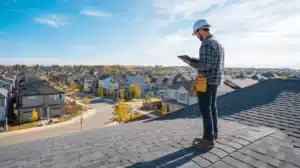
Scheduling regular roof inspections, especially before and after severe weather seasons, is essential. A professional inspection identifies damage you can’t see from the ground and provides insight into areas where your roof remains vulnerable.
Inspections should focus on flashing, shingles, ventilation, attic insulation, and overall roof temperature, paying attention to essential parts of a roof and their functions. This information helps plan proactive repairs and prevent costly repairs later..
Routine Maintenance and Repairs
Regular maintenance includes:
- Clearing gutters to maintain efficient drainage systems
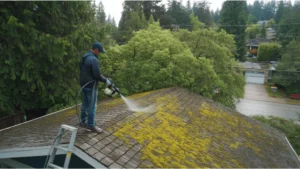
- Removing moss or algae to prevent moisture retention
- Ensuring proper insulation and attic air circulation
- Trimming nearby trees that drop leaves or branches
These simple steps prevent minor issues from growing into major structural damage.
Smart Material Choices and Installation
Investing in heat resistant materials, cool roofs, and impact resistant shingles is a wise move for California homeowners, especially when comparing the long-term value of metal roofs vs asphalt shingles. Cool roof solutions, including reflective coatings and light-colored surfaces, significantly reduce heat absorption. This helps lower indoor temperatures and increases the roof’s energy efficiency..
Proper installation is equally important. Roofing systems installed during cooler weather tend to bond better and last longer. Poor timing can result in adhesives not setting properly, reducing the roof’s durability over time.
Future-Ready Roofing Systems: Technology and Performance
Modern roofing structures have evolved to meet the demands of extreme weather conditions. Innovations include:
- Cool Roofs: These use reflective coatings and bright materials to reflect sunlight and reduce roof temperature. They are especially useful on flat roofs and in hot climates where reducing heat absorption is essential.
- Green Roofs: These not only help regulate indoor temperatures but also reduce stormwater runoff and increase the roof’s insulation value.
- Advanced Underlayments: Today’s underlayments offer better moisture resistance and protect roof decking from water infiltration.
- Improved Fasteners and Sealants: These components accommodate expansion and contraction, protecting against thermal expansion and UV degradation.
The result? A roofing system designed to last longer, resist heat damage, and handle California’s diverse climate.
When Is It Time to Replace a Weather-Worn Roof?
There comes a point when repairs are no longer enough. If your roof is over 20 years old, has extensive UV damage, or shows signs of repeated thermal expansion, it might be time to consider a full replacement.
A new roof built with high quality materials, reflective coatings, and proper ventilation can dramatically improve your home’s energy efficiency and structural integrity.
Professional inspection will determine if repairs are possible or if replacement is the safer, more cost-effective option, especially when you understand how much a new roof costs in Sacramento, CA..
FAQs – Weather Damage & Roof Lifespan
Can a roof fail even if it looks fine from the ground?
Yes. Damage like moisture intrusion, cracking shingles, and underlayment failure often occur beneath the surface. Only a professional inspection can catch these issues early and help you avoid believing common roofing myths about visible damage and warranties. .
How often should roofs be inspected in Northern California?
We recommend annual inspections, ideally in spring or fall. Add an inspection after major storms, wildfire events, or extreme heat.
Which roofing material best resists sun and heat?
Cool roofs with reflective coatings and metal roofs are excellent for reducing heat absorption. Tile is also a strong choice in hot climates.
Will my roof warranty cover weather-related issues?
Warranties vary. Many cover manufacturing defects but not weather damage. Make sure your installer offers clear terms on wind damage and heat damage coverage.
How can I prevent costly repairs related to weather exposure?
Schedule regular roof inspections, use durable roofing materials, maintain your drainage systems, make sure you follow permit requirements for roof repairs in California, and act quickly when you see signs of wear. .
Conclusion: Your Roof Needs Year-Round Protection
California weather is relentless. From UV radiation to heavy rain, roofing systems endure constant stress. Knowing how weather exposure impacts long-term roof performance helps you make smarter decisions about materials, maintenance, and inspections.
By choosing the right roofing materials, applying reflective coatings, and maintaining your roof consistently, you can increase roof longevity, improve indoor temperatures, and avoid costly repairs. Your roof remains your home’s best defense, keep it strong, efficient, and weather-ready.