
Key Takeaway
A built-up roof (BUR) is a low-slope membrane system assembled from alternating layers of bitumen and reinforcing ply sheets, then finished with gravel, a cap sheet, or a coating. A well-maintained four-ply system commonly lasts 20 to 30 years. Its core strength is redundancy: multiple plies of waterproofing protection stand between rainfall and your ceiling, making it a proven choice for flat roofs on commercial buildings, additions, and garages.
A built-up roof is a low-slope membrane assembled from alternating layers of bitumen (usually roofing asphalt) and reinforcing ply sheets, then finished with gravel, a mineral cap sheet, or a coating. Its strength is built-in redundancy: this multi-layered roofing system puts several layers of water protection between the weather and your ceiling instead of one. If you own a home, an addition, or a garage with a flat roof, or a contractor just handed you a report full of the term BUR, this guide explains how the roofing system works and what your options are. A ceiling stain is stressful enough without the vocabulary getting in the way.
What Does Built-Up Roofing (BUR) Mean?
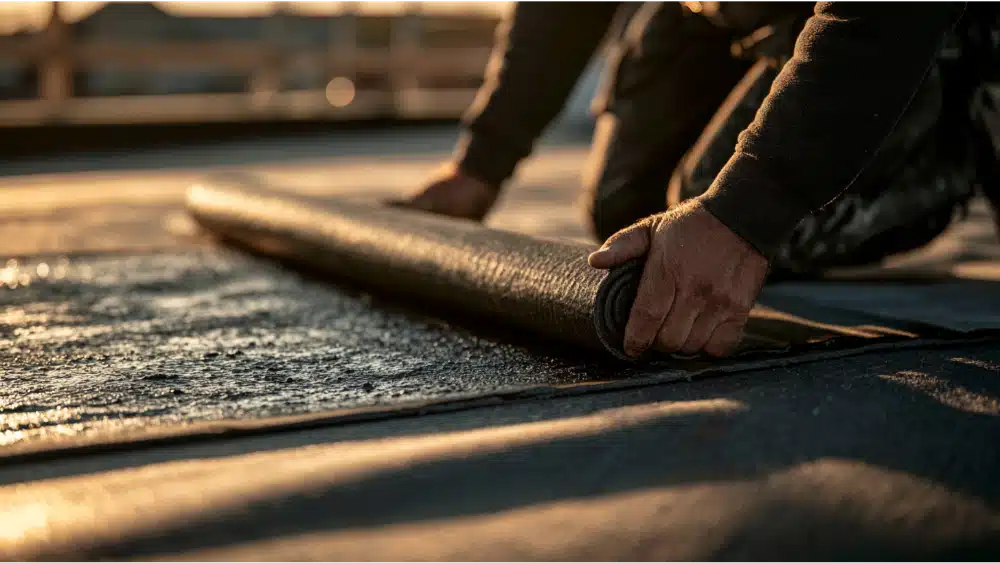
The National Roofing Contractors Association describes a built-up roof as a continuous, semi-flexible membrane made of multiple plies of saturated or coated roofing felts, reinforcing fabrics, or mats, assembled with layers of bitumen. The name is literal. A built-up roof system is built in place on the roof deck, layer over layer, rather than rolled out as a single sheet.
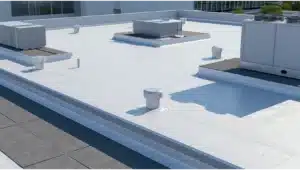
You will also hear BUR roofs called tar and gravel roofing. Most modern BUR systems use petroleum-based roofing asphalt with fiberglass ply felts, according to the Asphalt Roofing Manufacturers Association, while coal tar is a separate and far less common bitumen. Built-up roofing (BUR) has served commercial and industrial buildings across North America for more than a century. And flat never means level: a properly designed flat roof still has slope built into it.
What Are the Layers of a Built-Up Roof System?
A typical roof assembly, from the bottom up:
- Roof deck, the structural surface everything else sits on
- Vapor retarder, where the design calls for one
- Rigid insulation
- Cover board or base sheet installed over the substrate to bridge irregularities
- Multiple plies of roofing felts and reinforcing materials set in bitumen, commonly three or four
- A surfacing layer: a flood coat with gravel, a cap sheet, or a coating
Layering multiple plies in bitumen is what keeps water out. The gravel layer is a protective surface that shields the membrane from UV rays and foot traffic, and it is not the waterproofing. Insulation is a third component with its own code requirements. All three fail in different ways and should be evaluated separately.
What Types of Built-Up Roofing Systems Are There?
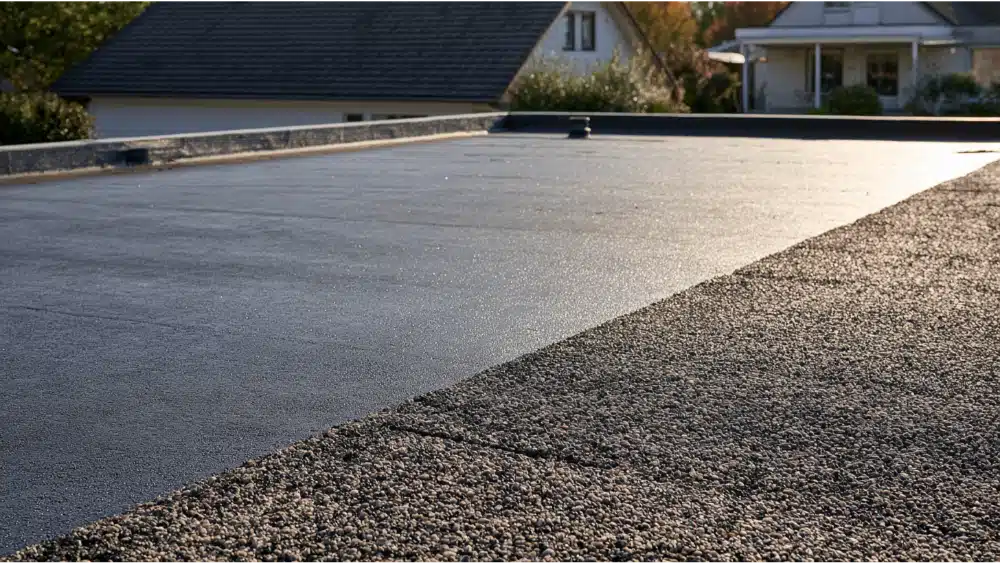
- Hot-applied systems, the traditional method, with hot asphalt mopped between the felts
- Cold-applied BUR, which uses a cold-applied adhesive instead of a hot kettle
- Aggregate-surfaced BUR, the classic gravel roof
- Mineral cap sheets, a granule-surfaced top layer
- Coated systems, where protective coatings serve as the surfacing and deflect UV radiation
- Coal-tar built-up roof, an uncommon category with its own slope allowances
OSHA notes that hot-applied roofing materials handled at roughly 500°F can cause severe burns, and the method appears far more often in commercial roofing than on houses. Layering, temperature control, and flashing details all have to be right, which is why professional installation matters on BUR roofs.
Why Built-Up Roofing Is Used on Flat Roofs and Commercial Property
Redundancy is the core argument. If one ply is compromised, additional layers of waterproofing protection still stand between water and the deck. That redundant waterproofing matters on low slope commercial roofs, where water does not shed quickly and can pond during heavy rain.
The membrane runs continuous across the field with no mechanical seams, and multi-layer construction tolerates punctures, foot traffic, and harsh weather conditions better than many single-ply systems. Add proven long-term performance and a choice of surfacing options, and it is clear why building owners stay with the system. BUR is most common on a commercial property, but it also shows up on older homes, flat-roof additions, detached garages, and multifamily buildings.
What Are the Drawbacks of BUR Systems?
The honest list:
- Weight. A multi-ply built-up roof, especially with aggregate, is heavier than single-ply, so structural considerations come first. ARMA holds deck deflection to no more than 1/240 of the span under total design loads.
- Labor. The installation process is slow, skilled work, and improper installation shows up later as leaks.
- Fumes and odor during hot application.
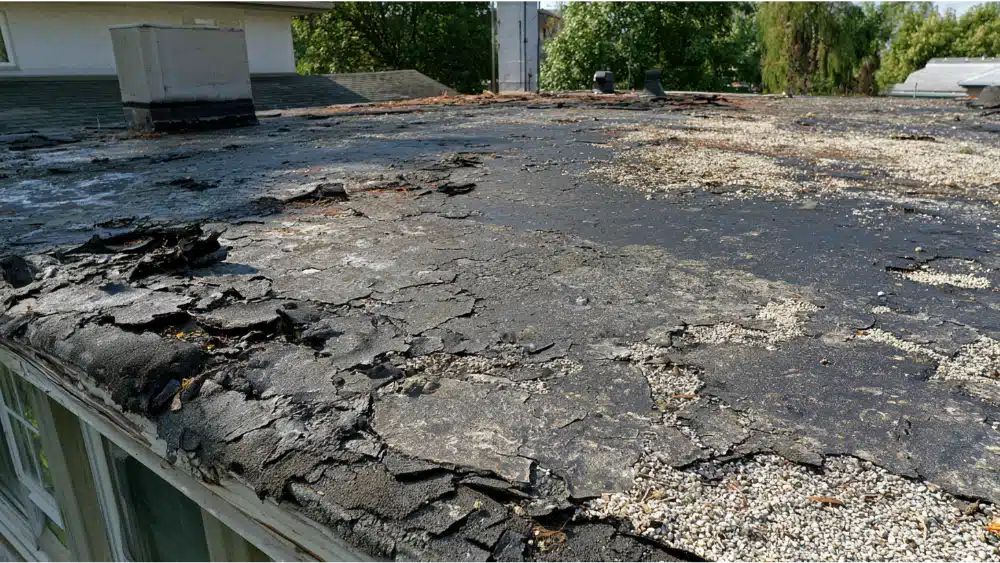
- Gravel hides defects. Cracks, blisters, and open seams can sit under aggregate unseen.
- Leaks are hard to trace. Water travels sideways through the plies, so the ceiling stain is often nowhere near the point of water intrusion.
How Long Does a Built-Up Roof Last?
A well-maintained four-ply built-up roof system commonly delivers 20 years or more, and many reach 20 to 30 years. Federal technical guidance ties that benchmark to yearly inspections and adequate maintenance, which is the part people skip when they quote a number.
What actually moves the needle: ply count, bitumen type, surfacing, drainage design, deck movement, UV exposure, rooftop traffic, and proper installation. Age alone tells you little. A 22-year-old roof that drains can outlast a 12-year-old roof that ponds.
Do Built-Up Roofs Offer Energy Efficiency and Fire Resistance?
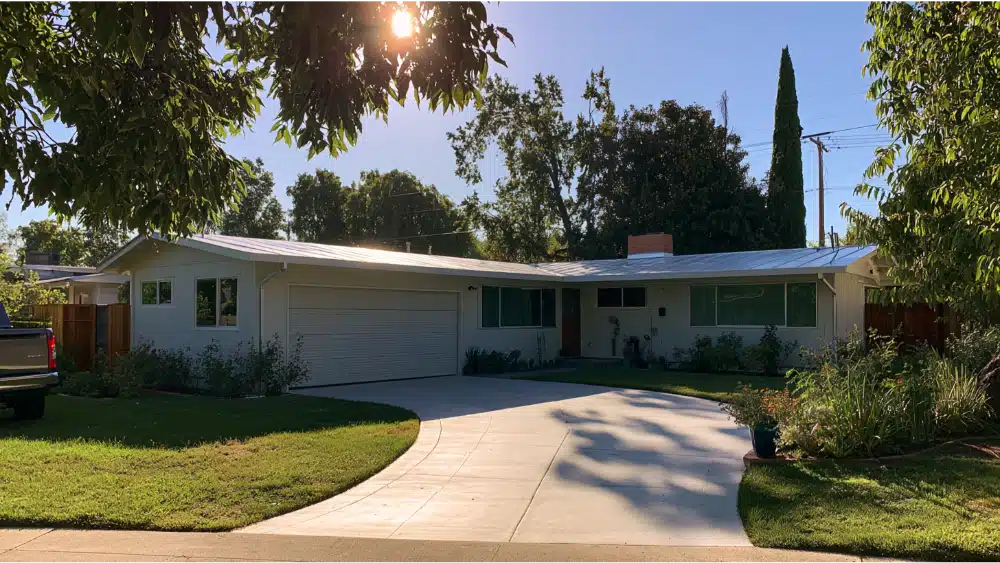
Two corrections. Membrane thickness is not insulation, and a thick assembly is not energy efficient by default. What actually enhances energy efficiency is the surfacing: reflective cap sheets, light-colored aggregate, and compatible reflective coatings that reduce heat absorption. The EPA lists all three as low-slope cool-roof technologies and reports that cool roofs can lower maximum indoor temperatures in homes without air conditioning.
On fire, gravel surfacing may contribute to a tested assembly’s fire resistance, but classification belongs to the complete listed assembly. Gravel does not make a roof fireproof.
Signs a Built-Up Roof Needs Attention
- Interior stains or an active leak
- Water still ponded 48 hours after rain, NRCA’s practical drainage test
- Clogged drains, scuppers, or gutters
- Bare asphalt where aggregate has shifted away
- Blisters, raised areas, or soft spots underfoot
- Alligator cracking across the surface
- Open seams or deteriorated base flashing
- Failed seals around HVAC curbs, vents, or solar penetrations
- The same area repaired more than once
One caution from NRCA: do not puncture blisters, and do not smear roofing cement over a leak you have not identified. That destroys the evidence needed to find the entry point.
Can a Built-Up Roof Be Repaired, or Does It Need Replacing?
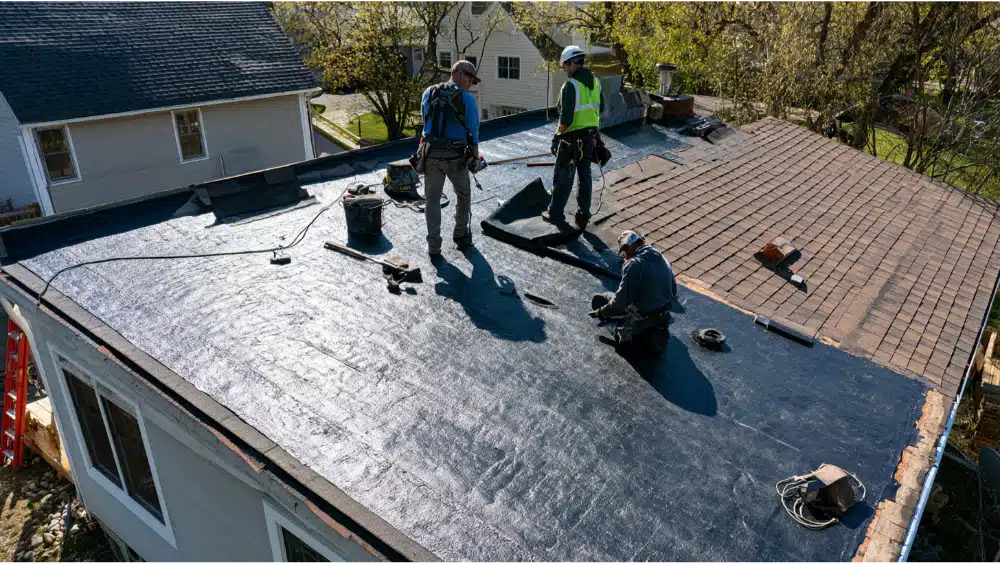
The deciding factor is not age. It is the difference between surface damage and trapped moisture inside the assembly. A roof that looks rough but is dry underneath is a very different problem.
Inspect
Identify the membrane type, locate wet areas, and check deck condition, drainage, and flashings. Moisture scanning or core sampling is warranted when interior evidence does not match the surface.
Repair
Targeted repairs suit localized defects where the surrounding membrane is still sound. They have to use materials compatible with the existing built-up roof, or you have added a future failure point.
Restore
ARMA notes that smooth-surface BUR can sometimes be renewed with a flood coat, an asphalt or reflective coating, or new aggregate. That works only if the membrane and insulation are dry and compatible.
Replace
Worth considering when moisture is widespread, insulation or decking is damaged, drainage cannot be corrected, or the same repairs keep failing in the same place.
Gravel BUR vs. Modified Bitumen and Single-Ply Roofing Systems
These three roofing systems dominate low-slope work, and none is universally better. Modified bitumen roofing systems use factory-made sheets reinforced with polyester or fiberglass, closer in chemistry to built-up roofing than to single-ply, and modified bitumen membranes are often installed in two layers.
| Factor | Built-up roof | Modified bitumen | Single-ply |
|---|---|---|---|
| Waterproofing capabilities | Multiple field-applied plies | Reinforced factory sheets | One membrane |
| Weight | Generally higher | Moderate | Generally lower |
| Leak tracing | Difficult under gravel | Usually more visible | Often easier to spot |
Standing-seam metal roofing works on some low slope roofs, but it is a different system with different detailing. On commercial buildings with heavy rooftop traffic, the layered approach still delivers reliable waterproofing, and that redundancy is what makes BUR systems worth a look for property owners weighing long-term protection.
California and Roseville Requirements for Flat and Low-Slope Roofs
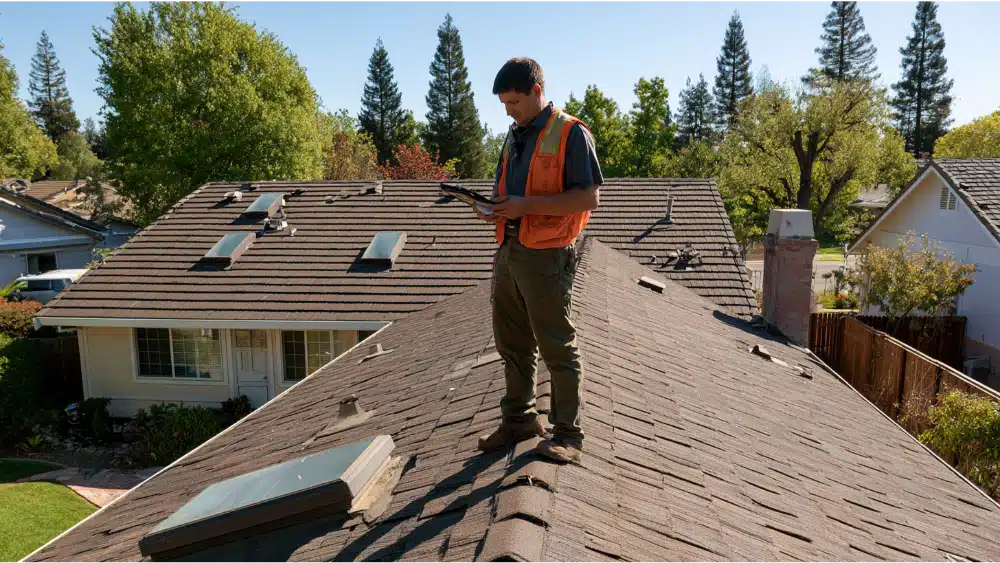
Under the 2025 California Building Code, a built-up roof generally requires a minimum design slope of 1/4 inch per foot (2%), with an exception allowing 1/8:12 for coal-tar systems. Definitions vary: the California Energy Code treats roofs below 2:12 as low-sloped, while NRCA’s category extends to 3:12.
Roseville sits in Climate Zone 11. Prescriptive low-slope alteration thresholds there include an aged solar reflectance of 0.63 and thermal emittance of 0.75 (or SRI 75), plus R-14 continuous insulation or a roof-assembly U-factor of 0.039, subject to listed exceptions. The city handles reroofing as an online permit and requires a current-code CF1R energy form. A design rainfall rate of 1.5 inches per hour is a reminder of why drainage design is not optional. CAL FIRE notes that California roof coverings must be Class A-rated, and the work must be performed by a licensed C-39 roofing contractor.
What a Professional Flat Roof Inspection Should Cover
A thorough assessment looks at interior signs of water entry, surface and aggregate condition, flashings and perimeter edges, drains and scuppers, slope and ponding, rooftop penetrations, and the condition of the insulation and deck. It should end with photographs and a written scope explaining your repair, restoration, recover, and replacement options in plain language. NRCA recommends inspections twice a year plus a look after severe weather.
Built-up roofing solutions are only as good as the crew installing them. We are family-owned and operated, we run in-house crews instead of subcontracting, and a client success manager keeps you updated at every step. We work out of 503 Giuseppe Ct Ste 4 in Roseville and our corporate office in Sacramento, under CSLB License #1031864.
A leak does not automatically mean replacement. But recurring failure should not keep getting buried under patches either. Request a free, no-obligation flat roof inspection: call 916-745-6699 or use the online quote form. It is a few questions about your roof and address, not an application, and you will leave with a clear picture of what your roof needs for reliable protection, with no surprises.
Frequently Asked Questions
What does built-up roof mean?
A low-slope membrane built in place from multiple plies of bitumen and reinforcing sheets, finished with gravel, a cap sheet, or a coating.
What is another name for built-up roofing?
A tar and gravel roof, or simply BUR. Most modern systems use petroleum-based roofing asphalt rather than coal tar.
Are built-up roofs better than shingles?
They do different jobs. Shingles shed water on sloped roofs, while built-up roofing seals flat roofs. The slope decides.
What is the lifespan of a built-up roof?
Commonly 20 years or more, often 20 to 30 with consistent maintenance. Drainage and installation quality matter far more than age on paper.