
A Homeowner’s Guide to Professional Leak Detection
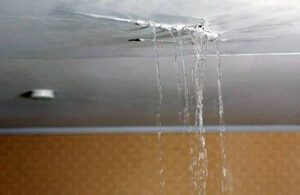
A roof leak can be frustrating and confusing for homeowners. You might see a stain on your ceiling or notice a musty odor in a room, but the actual source of the problem may be somewhere completely different. Many homeowners are surprised to learn that the visible damage inside their home often has little connection to the exact spot where water enters the roof. This is why people often ask, how do contractors locate hidden roof leaks when the evidence appears far from the source.
A hidden roof leak occurs when water enters the roofing system and travels through structural components before becoming visible inside the home. Water may run along roof decking, framing, or insulation before it finally appears as a stain on the ceiling or wall. Because of this, roof leak detection requires a systematic approach and a trained eye.
The good news is that experienced roofing professionals have developed reliable leak detection methods that allow them to track water infiltration through the roof structure and identify the true source of roof leaks. In this guide, we will explain how contractors perform roof leak detection, what warning signs homeowners should watch for, and why early detection can prevent expensive repairs and serious damage to your home.
Why Hidden Roof Leaks Are So Difficult to Identify
Water Rarely Drips Straight Down
One of the biggest challenges with roof leaks is that water does not usually travel straight downward. Instead, it follows the path of least resistance through the roof structure. Water may move along roof decking, rafters, nails, or insulation before dripping onto drywall.
Many homeowners see water stains on their ceiling and assume the leak must be directly above the stain. In reality, a hidden roof leak may begin several feet away and move through the underlying structure before becoming visible. These hidden leaks can continue spreading moisture through the roofing system before anyone realizes there is a problem.
Roofing Systems Have Multiple Layers
A modern roofing system includes several layers designed to prevent leaks. Roofing materials such as shingles act as the primary shield against weather. Beneath them are protective layers including underlayment, flashing, and roof decking, and understanding the essential parts of a roof and their functions helps explain why failures in any one component can lead to hidden leaks.
These layers work together to protect the home from water infiltration. However, if one component fails, moisture can enter the system and travel between layers. This makes roof leak detection more complicated because the problem may be hidden beneath otherwise intact roofing materials, and it often takes the kind of structured roof repair process from inspection through final quality checks to uncover and correct all of the damage.
Small Failures Can Cause Major Interior Damage
A small gap in flashing or a few damaged shingles can allow water infiltration into the roofing system. Once moisture enters the system, it may slowly saturate insulation, weaken roof decking, and eventually cause hidden damage inside the home, illustrating how neglecting timely roof repair can lead to far more extensive and expensive problems.
If a hidden roof leak continues long enough, it can lead to wood rot, mold growth, or even ceiling collapse. Early leak detection makes all the difference because it helps prevent costly repairs and protects the structural integrity of the roof.
Common Warning Signs of a Hidden Roof Leak
Ceiling or Wall Water Stains
Water stains are one of the most common indicators of roof leaks. These stains usually appear as yellow or brown discoloration on ceilings or walls. If the stain continues to expand after rainstorms, it may indicate an active leaking roof problem.
Multiple water stains in different areas may also signal hidden leaks moving through the roof structure.
Musty Odors or Mold Growth
A mildew smell inside the home can indicate moisture intrusion. Mold growth often occurs when hidden leaks allow moisture to accumulate in insulation, drywall, or wood framing.
Mold growth does more than damage building materials. It can also affect indoor air quality and create health concerns for occupants.
Damp or Compressed Attic Insulation
Contractors frequently check attic spaces for damp insulation during roof leak detection. Damp insulation often indicates a hidden roof leak because water may soak into insulation before reaching interior drywall.
Wet insulation can also reduce energy efficiency by lowering the insulation’s ability to regulate temperature inside the home.
Peeling Paint or Bubbling Drywall
Peeling paint or bubbling drywall may indicate long term moisture exposure. Water intrusion behind drywall surfaces can cause paint to lose adhesion and create visible bubbling.
Unexpected Increase in Energy Bills
When insulation becomes saturated, it loses its ability to regulate temperature effectively. Many homeowners notice rising heating or cooling costs because wet insulation forces HVAC units to work harder to maintain comfortable temperatures.
Step-by-Step: How Contractors Actually Find Hidden Roof Leaks
Roof leak detection involves several careful steps. A professional roofer uses a systematic process that helps trace the path of water infiltration and locate the exact source of the leak.
Step 1: Interior Inspection
The first stage of leak detection begins inside the home. A roofing contractor performs a visual inspection of ceilings, walls, and trim to identify water stains, peeling paint, and other signs of moisture intrusion.
The contractor may also check areas such as the crawl space or attic access points for signs of water infiltration. This stage of the process helps narrow down where hidden leaks may be entering the roofing system.
Step 2: Attic Investigation
The attic is one of the most important places for roof leak detection. Roofing professionals inspect roof decking, framing, and insulation for signs of water infiltration.
Common indicators include dark or shiny spots on roof decking, rusted nails, damp insulation, and wet insulation. These clues help contractors trace hidden leaks through the roof structure.
Contractors may also check for poor attic ventilation or conditions that can trap moisture and contribute to moisture intrusion. If ventilation problems are present, they may recommend improvements to prevent leaks and protect indoor air quality.
Step 3: Exterior Roof Inspection
After gathering information from inside the home, the roofing contractor moves to the roof surface. The contractor performs a detailed visual inspection of shingles, flashing, plumbing vents, and other components of the roofing system.
This inspection looks for missing, loose, or damaged shingles that could allow water infiltration. Contractors also check for missing or damaged flashing around roof penetrations.
Other potential issues include clogged gutters, clogged drainage paths, and roof valleys where water may accumulate. Proper drainage is critical because clogged gutters can force water under roofing materials and contribute to hidden leaks.
During the inspection, contractors may also look for signs of improper installation or aging roofing materials that could contribute to a leaking roof.
Roof Flashing
Flashing protects vulnerable areas of the roofing system where surfaces intersect. Missing flashing or poorly sealed flashing can create openings that allow water infiltration.
Roof Valleys
Roof valleys direct water down the roof and into the gutter system. Because large volumes of water flow through these areas, roof valleys are especially vulnerable to leaks if roofing materials become worn or damaged.
Vent Boots and Pipe Penetrations
Plumbing vents extend through the roof and are sealed with protective boots. Over time, these components may crack or deteriorate. Damaged plumbing vents can allow water to enter the roof structure.
Damaged or Missing Shingles
Wind, aging materials, and severe weather can cause missing or damaged shingles. Loose or missing shingles can create openings that allow water infiltration into the roofing system.
Step 4: Moisture Detection Tools
Modern roof leak detection often involves specialized equipment. Moisture meters help contractors identify wet areas inside wood, drywall, or insulation. These devices confirm whether hidden leaks are still active.
Thermal imaging cameras may also be used during leak detection. Temperature differences caused by moisture can help reveal hidden leaks behind walls or ceilings.
These tools help roofing professionals locate complex leaks without removing large sections of roofing materials.
Step 5: Controlled Water Testing
If the source of roof leaks remains unclear, contractors may perform controlled water testing. This process involves spraying sections of the roof while another technician monitors the attic for signs of water intrusion.
By testing one section at a time, contractors can pinpoint exactly where water infiltration occurs. This technique is particularly helpful for complex leaks that involve flashing, penetrations, or membrane systems.
The Most Common Sources of Hidden Roof Leaks
Several common issues account for the majority of roof leaks found during professional inspections.
- Damaged Flashing: Flashing failures often allow water infiltration around chimneys, skylights, and roof intersections.
- Cracked Vent Pipe Boots: Vent boots protect plumbing vents that pass through the roof. Aging rubber boots may crack and allow moisture intrusion.
- Roof Valleys: Because valleys channel water, damaged shingles in these areas can easily allow hidden roof leak problems.
- Skylight Seals: Improper installation or aging sealant around skylights may cause water infiltration.
- Aging Roofing Materials: Older roofing materials may deteriorate and create openings that allow water infiltration.
- Improper Roof Installation: Incorrectly placed flashing or poorly secured roofing materials can cause leaks years after the roof was installed.
Why DIY Leak Detection Often Fails
Many homeowners attempt to fix roof leaks themselves. While small repairs may seem simple, roof leak detection is often much more complicated than it appears.
Because water travels through the roof structure, the source of the leak may be far from the visible damage. A homeowner may patch the wrong area and fail to stop the leak.
Climbing onto a roof without proper safety equipment can also be dangerous. Professional roofers use proper safety equipment and training to inspect steep roofs safely.
A professional roofing contractor understands how different roof type designs and roofing materials behave during severe weather conditions. This knowledge helps them identify hidden leaks and prevent further damage, and companies like Cobex Construction Group in Sacramento, CA build their services around this kind of experience and homeowner education.
When a Hidden Leak Means You Need Roof Repair vs Roof Replacement
Not every leak requires a new roof. In many cases, a targeted roof repair can fix roof leaks and restore the roofing system.
If the leak is caused by missing flashing, damaged shingles, or clogged gutters, a repair may solve the problem for a few hundred dollars. Addressing the issue early can prevent expensive repairs later.
However, some leaks indicate more serious problems. Widespread damaged shingles, extensive wood rot, or structural damage to roof decking may signal that a new roof is necessary to protect the home.
How Professional Roof Inspections Prevent Hidden Leaks
Routine maintenance plays an important role in leak prevention. A professional roof inspection allows roofing professionals to identify early signs of wear and damage before leaks develop, and local experts such as our Fresno, CA roofing company providing repair and inspection services can help homeowners stay ahead of potential issues.
A professional roof inspection may include checking roof decking, inspecting roofing materials, examining flashing, and evaluating attic ventilation. These inspections help prevent leaks by identifying problems such as clogged gutters, poor ventilation, or ice dams before they cause major damage, and our Boise roofing team’s comprehensive inspection services follow this same proactive approach.
Regular inspections are especially important after severe weather events that may loosen shingles or create openings in the roofing system. Early detection allows homeowners to repair minor damage before it leads to costly repairs.
How Cobex Helps Homeowners Solve Hidden Roof Leak Problems
At Cobex Construction Group, our team understands how stressful roof leaks can be. Many homeowners contact us after discovering water stains on their ceiling or noticing signs of moisture intrusion inside the home.
Our roofing professionals perform a thorough professional inspection of the entire roofing system. We examine roof decking, flashing, plumbing vents, insulation, and other components to identify the source of hidden roof leak problems.
Our company is a licensed roofing contractor with general liability insurance and a proven track record of quality workmanship, backed by numerous client testimonials from satisfied Cobex homeowners. Our goal is to provide homeowners with a clear explanation of the issue and a quality estimate for the best solution.
Whether your home needs a simple roof repair or a complete new roof, our team focuses on long term protection for your home. We use durable roofing materials and proven techniques designed to prevent leaks and protect the structural integrity of your roof, bringing the same commitment to homeowners we serve through our Fresno, CA Cobex Construction Group location and our Boise, Idaho roofing services.
Frequently Asked Questions About Hidden Roof Leaks
How do roofers find the exact source of roof leaks?
Roofers use several detection methods to locate hidden leaks. The process typically begins with a visual inspection inside the home and continues with attic inspections and exterior roof inspections. Tools such as moisture meters help confirm the location of water infiltration.
Can a roof leak start in the attic?
In some cases moisture may originate from poor attic ventilation, condensation, or a plumbing leak. However, most roof leaks begin with water infiltration through the roofing system.
How long can a hidden roof leak go unnoticed?
A hidden roof leak can remain undetected for weeks or even months. Water may travel through roof decking and insulation before becoming visible as water stains.
Are thermal cameras useful for leak detection?
Yes. Thermal imaging can help contractors identify temperature differences caused by moisture behind walls or ceilings. These tools are often used alongside moisture meters during leak detection.
How much does a professional inspection cost?
The cost of inspection varies depending on roof type and home size. Many leak inspections cost a few hundred dollars, especially when the contractor provides a repair estimate.
Should I call a roofer if I see a small stain?
Yes. Even small water stains may indicate hidden damage inside the roofing system. A professional roofer can identify the source and prevent further damage.
Conclusion
Hidden roof leaks can be difficult to locate because water rarely travels in a straight path through the roof structure. Instead, moisture may move along roof decking, insulation, and framing before appearing as water stains inside the home.
With proper leak detection methods and a thorough professional inspection, contractors can identify the source of water infiltration and fix roof leaks before they lead to expensive repairs.
If you suspect a leaking roof or notice warning signs such as mold growth, damp insulation, or peeling paint, scheduling a professional inspection as soon as possible can help protect your home, improve energy efficiency, and ensure the long term protection of your roofing system.