
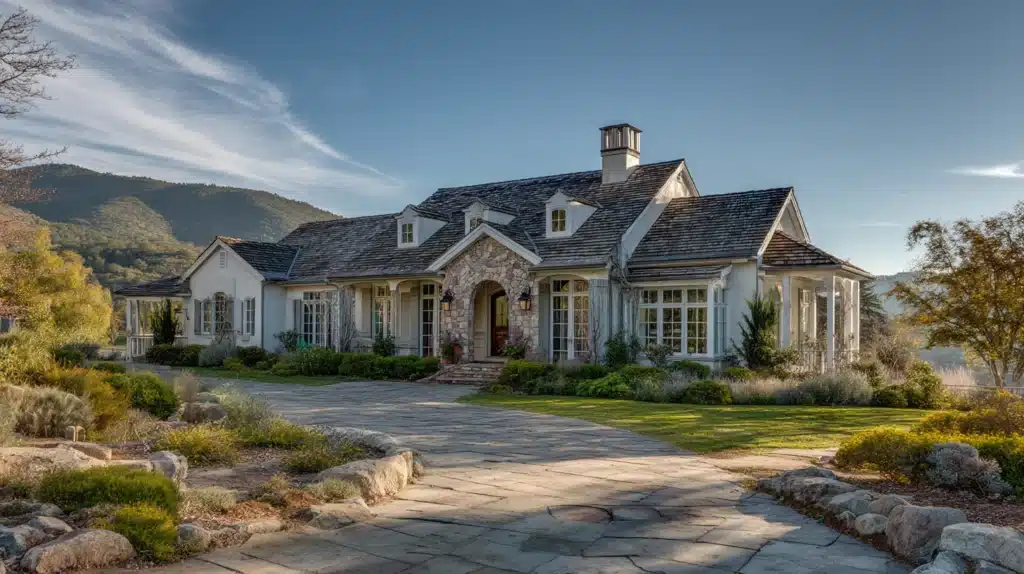

Homeowners often ask, “How long does a roof truly last?” The honest answer is that it depends on several factors, especially the type of roof and how it is cared for over time. Understanding how long a modern roof realistically lasts by material helps you plan for roof replacement, protect your home’s roof structure, and make smarter long-term decisions. Different roofing materials perform very differently, and the lifespan of different roofing systems can vary by decades. Below is a complete, homeowner-focused breakdown designed to explain roof longevity in clear terms while helping you choose the right roofing material for your home.
What Determines the Lifespan of a Roof?
The lifespan of a roof is never determined by materials alone. Several factors affect how long a roof lasts in real-world conditions.
Climate and Local Conditions
Local climate plays a major role in roof longevity. Homes exposed to high winds, extreme weather conditions, or severe weather conditions often experience faster wear. Constant sun exposure, heavy rain, and temperature swings can damage roofing materials over time. In many regions, local climate combined with high winds can shorten the average lifespan of even high-quality shingles.
Installation Quality and Workmanship
Installation quality is one of the most important factors that affect roof longevity. A roof that is properly installed by a professional roofer will always outperform one installed poorly. Proper installation includes correct fastening, flashing, alignment, and underlayment placement. Poor roof ventilation or shortcuts during roof installation can significantly reduce the roof’s lifespan.
Roof Design and Structure
The roof structure itself matters. Steeper roofs often shed water and debris more effectively than low slope roofs, helping extend the life of your roof. Flat roofs and low slope roofs, common on some residential and commercial buildings, tend to require more attention due to drainage challenges. The condition of the roof deck also plays a role in supporting long-term performance.
Maintenance and Inspections
Proper maintenance and regular inspections are essential if you want to extend the life of your roof. Regular maintenance allows small problems to be addressed before they turn into roof leaks or widespread damage. Prompt and timely repairs, along with regular inspections, help prevent damaged shingles, loose shingles, and moisture intrusion. Roof maintenance is one of the most effective ways to extend the life of roofing materials.
Roof Lifespan by Material Type
Understanding the average lifespan of common roofing materials makes it easier to decide which option fits your goals and budget. This article aims to answer the key question many homeowners have: how long does a modern roof realistically last by material.
Asphalt Shingles
Asphalt shingles are the most common roofing materials used on residential homes. An asphalt shingle roof is popular because of affordability and versatility. The average lifespan of asphalt roofs depends on the product type.
- Standard asphalt shingles typically last 15 to 20 years.
- Architectural asphalt shingles, sometimes called architectural shingles, are thicker and more durable, often lasting 25 to 30 years.
- High-quality shingles and premium options can sometimes exceed this range when properly installed.
An asphalt shingle roof can fail early due to poor roof ventilation, damaged shingles, or lack of regular inspections. Asphalt shingles remain a solid choice for homeowners looking for balance between cost and performance, but asphalt roofs usually require replacement sooner than other materials.
Metal Roofs
Metal roofs are known for durability and minimal maintenance. The average lifespan of metal roofs ranges from 40 to 70 years, depending on the system. Standing seam metal roofing is one of the longest-lasting options and offers excellent resistance to high winds and severe weather conditions.
Metal roofs are energy efficient and reflect solar heat, improving energy efficiency inside the home. Copper roof systems can last even longer, sometimes exceeding 80 years. Metal roofs can withstand severe weather conditions and are often considered among the longest lasting roofing materials available.
Clay Tiles and Concrete Tiles
Tile roofs are common in warmer regions and are valued for durability and appearance. A clay tile roof often lasts 50 to 100 years when properly installed and maintained. Clay tiles resist fire, insects, and moisture exceptionally well.
Concrete tiles offer similar performance at a slightly lower cost. Concrete tiles typically last 50 years or more. Tile roofs are heavier, so the roof structure must be designed to support them. When installed correctly, tile roofs often fall into the category of roof lasts the longest options.
Slate Roofs
Slate roofs are made from natural stone material and are among the longest lasting roofing materials available. The average lifespan of slate roofs ranges from 75 to well over 100 years. Slate roofs are extremely durable, fire resistant, and able to withstand severe weather conditions.
Because slate is heavy, professional installation is critical. When slate roofs are properly installed and supported by a strong roof structure, they often outlast the life of your roof framing itself.
Wood Shingles and Shakes
Wood shingles and shakes offer natural beauty but require more care. Wood shingles typically last 20 to 30 years, while wood shakes may last slightly longer, up to 40 years. Wood roofing requires regular maintenance to prevent rot, insects, and moisture damage.
Wood shingles and shakes are more sensitive to extreme weather conditions and poor roof ventilation. While visually appealing, wood shingles and wood shakes demand consistent care and prompt repairs to maintain performance.
Composite and Synthetic Roofing
Synthetic roofing and composite products are engineered from synthetic materials to mimic traditional styles. Synthetic roofing systems often last 40 to 50 years. Synthetic materials are lighter than tile or slate and offer strong resistance to damage roofing materials like moisture and UV exposure.
Synthetic roofing provides flexibility for homeowners who want durability without the weight of natural stone material or tile roofs. Synthetic materials often require minimal maintenance compared to wood roofing.
Flat Roofs and Low Slope Roofs
Flat roofs are common on additions and some modern homes, as well as many commercial buildings. Flat roofs use materials like TPO, EPDM, or rubber roof membranes. A rubber roof typically lasts 15 to 25 years, depending on installation and maintenance.
Flat roofs and low slope roofs require careful drainage planning. Regular inspections and roof maintenance are especially important to prevent roof leaks and pooling water that can shorten the lifespan of a roof.
Realistic Lifespan Versus Manufacturer Warranties
Many homeowners assume a roof warranty reflects the roof’s life expectancy. In reality, a roof warranty does not guarantee that long a roof will last. Warranties often cover manufacturing defects, not damage caused by poor installation, lack of maintenance, or extreme weather conditions.
The real roof’s lifespan depends on installation quality, regular maintenance, and environmental exposure. A roof can outlast its warranty with proper care, or fail early if neglected.
Signs Your Roof May Be Nearing the End of Its Life
Knowing the warning signs helps you decide when roof replacement may be necessary.
Age of the Roof
If your roof is approaching the average lifespan for its material, it is wise to plan ahead. How long a roof lasts is often predictable once you know its age and type of roof.
Visible Damage
Damaged shingles, loose shingles, cracked tiles, or worn metal panels indicate declining roof longevity. Damaged roofing materials left unaddressed can lead to interior issues.
Leaks and Structural Issues
Roof leaks, sagging areas, or soft spots may point to problems with the roof deck or insulation proper attic ventilation systems. These issues reduce the life of your roof significantly.
Energy Performance Changes
Rising energy bills can signal declining energy efficiency due to aging roofing materials or poor roof ventilation.
How to Extend the Life of Your Roof
There are proven ways to extend the life of roofing systems regardless of material.
Schedule Regular Inspections
Regular inspections performed by a professional roofer help identify small issues early. Regular inspections are one of the most effective ways to extend the life of your roof.
Commit to Regular Maintenance
Regular maintenance includes clearing debris, cleaning drainage systems, and checking flashing. Proper maintenance supports roof longevity and prevents premature failure.
Make Prompt Repairs
Prompt and timely repairs after storms help prevent water intrusion. Addressing small issues quickly can dramatically extend the life of roofing materials.
Improve Ventilation and Insulation
Insulation and proper attic ventilation reduce heat buildup and moisture. Poor roof ventilation shortens the lifespan of a roof and can void roof warranty coverage.
Best Roofing Materials for Modern Homes
Choosing the best roofing material depends on budget, design, and long-term goals. Asphalt shingles remain the most common roofing materials for affordability. Metal roofs and tile roofs are ideal for homeowners seeking longevity and minimal maintenance. Slate roofs and copper roof systems are premium options for maximum roof longevity.
The right roofing material should match your local climate, roof structure, and expectations for how long a roof should perform. Different roofing materials offer different balances of cost, appearance, and durability.
FAQs About Roof Lifespan
What roofing material lasts the longest?
Slate roofs, clay tiles, and standing seam metal roofing are often considered the longest lasting roofing materials. These options frequently outperform other materials in roof lasts the longest comparisons.
How long does a modern roof last on average?
The average lifespan varies by type of roof. Asphalt shingles last around 20 to 30 years, metal roofs 40 to 70 years, and tile roofs 50 years or more. Understanding how long a modern roof realistically lasts by material helps set accurate expectations.
Can proper installation really make a difference?
Yes. Properly installed roofing systems with professional installation last significantly longer than poorly installed ones. Proper installation protects the roof deck and prevents premature failure.
When should I replace your roof?
Replace your roof when it reaches the end of its average lifespan, shows repeated roof leaks, or experiences widespread damage. Planning roof replacement early helps avoid emergency repairs.
Final Thoughts on Roof Longevity
How long a roof lasts is influenced by material choice, installation quality, local climate, and maintenance habits. The lifespan of a roof is not fixed, but with the right roofing material, professional installation, regular inspections, and consistent care, homeowners can extend the life of their roof well beyond expectations. Whether you are installing a new roof or evaluating the life of your roof today, understanding these factors empowers you to protect your home for decades to come.


