
Key Takeaway
Roof caulking uses a flexible, roof-compatible sealant to seal narrow joints around flashing, vents, and fasteners, but it works only when the underlying roofing is sound. It is secondary protection, not a substitute for properly layered flashing. Resealing is legitimate maintenance when the flashing is secure, the substrate is dry and undamaged, and the sealant is compatible with both adjoining materials. If the same spot has been repaired more than once or flashing is loose, schedule an inspection before reaching for the caulking gun.
Roof caulking means using a roof-compatible sealant to close narrow joints around flashing, roof vents, fasteners, and other penetrations. It works only when the roofing underneath is sound. Sealant cannot replace layered flashing, a failed pipe boot, or soft decking.
Maybe you are looking at a ceiling stain, a cracked bead around a vent, or a repair quote you are not sure about. Here is how to tell which sealant suits your roof, and when the area needs a full inspection instead.
What Is Roof Caulking, Exactly?
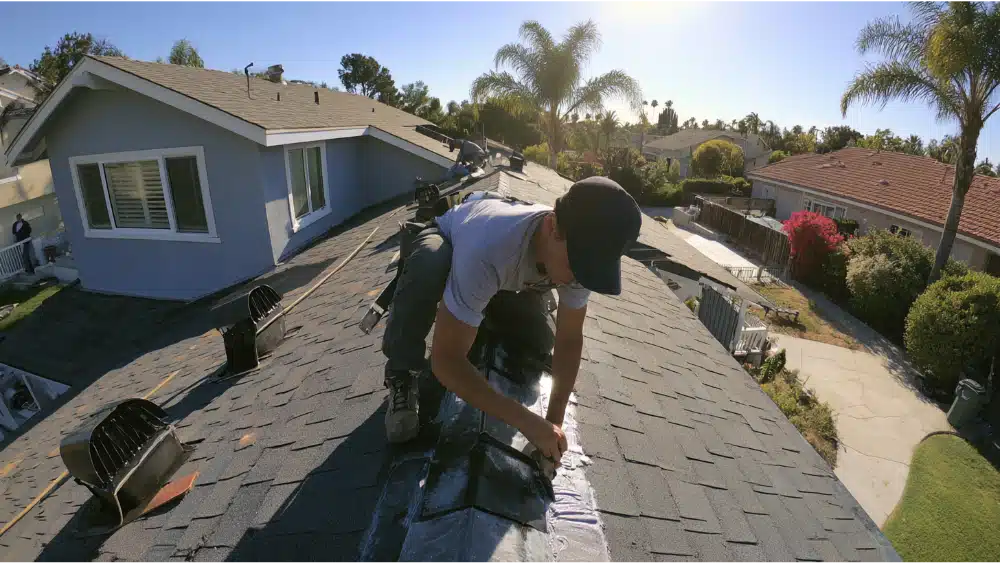
Caulk is a gunnable material meant for a narrow, defined joint. Overlapping roofing and flashing form the barrier against the elements, and gravity does the real work. Sealant supports the detail. It should not be the detail. Roofing caulk is secondary protection, not a substitute for flashing, and it has to stay flexible through years of UV exposure and daily thermal movement.
Roof Sealant vs. Flashing Cement vs. Roof Coating
Cartridge sealant belongs in narrow joints. Asphalt roof or flashing cement (ASTM D4586) is thicker and pairs with asphalt roofing at walls, chimneys, and pipes, though excess can soften shingles. Liquid coating is a whole-surface system at a set film thickness, not simply more caulk. Mixing these up is the most common homeowner mistake we see.
Choosing the Right Roof Sealant for Your Roof Material
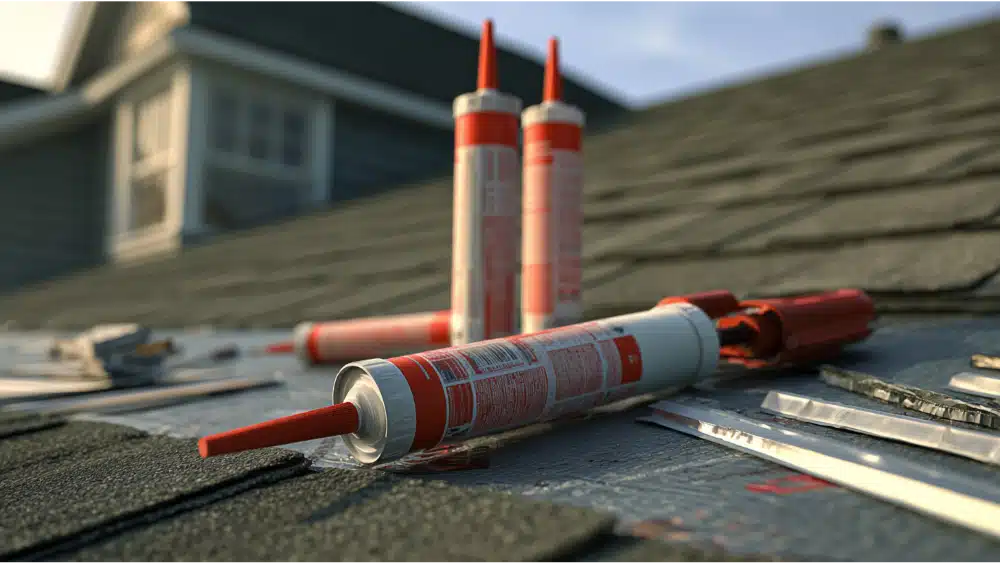
There is no universal best roof caulk. The common types are asphalt-based cement, polyurethane, silicone, butyl, and advanced polymer sealants. ASTM C920 classifies elastic joint sealants by type, grade, class, and use, and cautions that meeting the standard does not make a product right for every substrate.
| Roof material or joint | Commonly specified | Watch-outs |
|---|---|---|
| Asphalt shingle details | Asphalt-compatible cement | Thin application only |
| Metal roofs and flashing | Advanced polymer sealant, butyl tape | Must stay elastic |
| Tile roof flashing | Per tile and flashing manufacturer | Rarely fixes a layering problem |
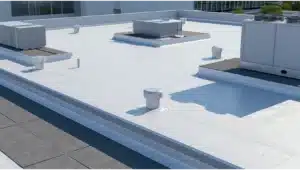
| EPDM rubber membrane | System lap sealant and cleaner | Bituminous cement may be prohibited |
| TPO and PVC | System-approved sealant or patch | Not interchangeable with EPDM |
The roof system instructions and the current technical data sheet control the decision, and compatibility protects your manufacturer coverage. Before the tube goes in your cart, confirm it matches both materials in the joint.
Why “Works on Most Surfaces” Is Not Enough
That phrase describes general construction joints, not roof systems. Some widely recommended products are really meant for RVs, gutters and downspouts, or wood trim and windows. What matters is excellent adhesion to both surfaces of the joint, expected movement, and whether the bead is UV resistant in full sun. On metal roofs, an adhesive that stays elastic has a longer service life than a harder one that only looks durable. Some are paintable, which helps beside painted fascia.
Why Flashing Matters More Than the Bead of Caulk
Each roofing layer directs water onto the one below it, and counterflashing laps over the base flashing tied into the roofing. Metal held in place only by sealant has no layering behind it, so the bead becomes a single point of failure. Some lower flashing edges are meant to stay open so water can escape, and sealing them traps it. The 2025 California Residential Code requires flashing at roof-wall intersections and roof openings, with metal flashing at least 0.019 inch thick.
When Roof Caulking Actually Solves the Problem
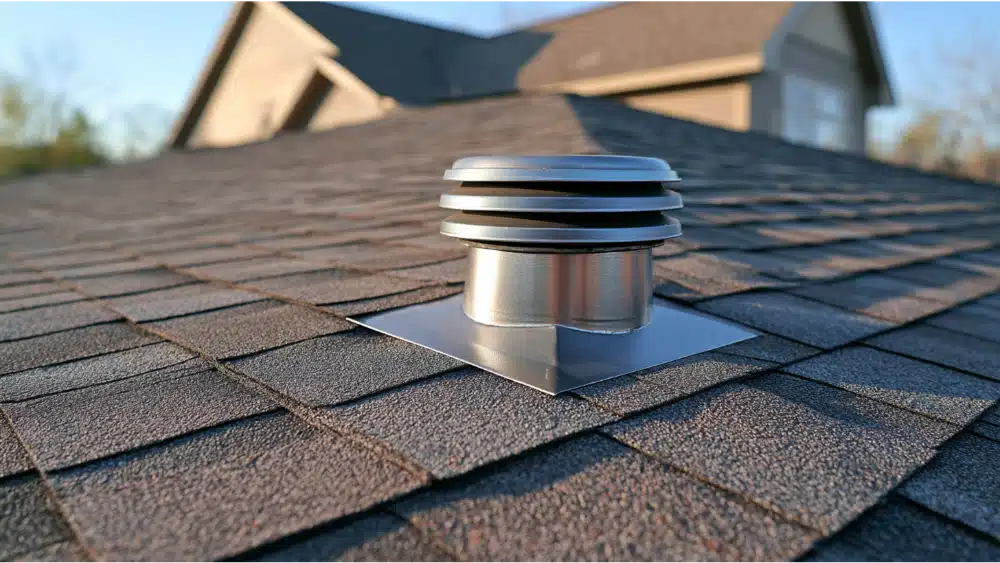
Resealing is legitimate maintenance when all of these are true:
- A localized, accessible joint has cracked or separated
- The surrounding flashing is properly installed and secure
- The substrate is sound, clean, and dry
- The sealant is compatible with both adjoining materials
- There is no corrosion, soft decking, or widespread damage
Not every failed bead means a new roof. Resealing a sound joint on schedule can save money and add years of longevity to the detail.
When Roof Sealant Is Only Hiding a Bigger Problem
Stop and request an inspection if you see:
- Loose, bent, missing, or improperly layered flashing
- A cracked pipe boot or failing roof accessories such as vents and skylights
- Missing or damaged shingles or tile, soft decking, or attic staining
- The same area repaired more than once
- Leaks in more than one interior location, or only during wind-driven rain
- Sealant smeared across an intended drainage path
One current data sheet states plainly that the sealant is not structural and is not meant to bridge large voids, limiting joints to 1/2 inch. An open defect needs a repair detail, not a bigger bead.
How Roof Sealant Is Applied Correctly
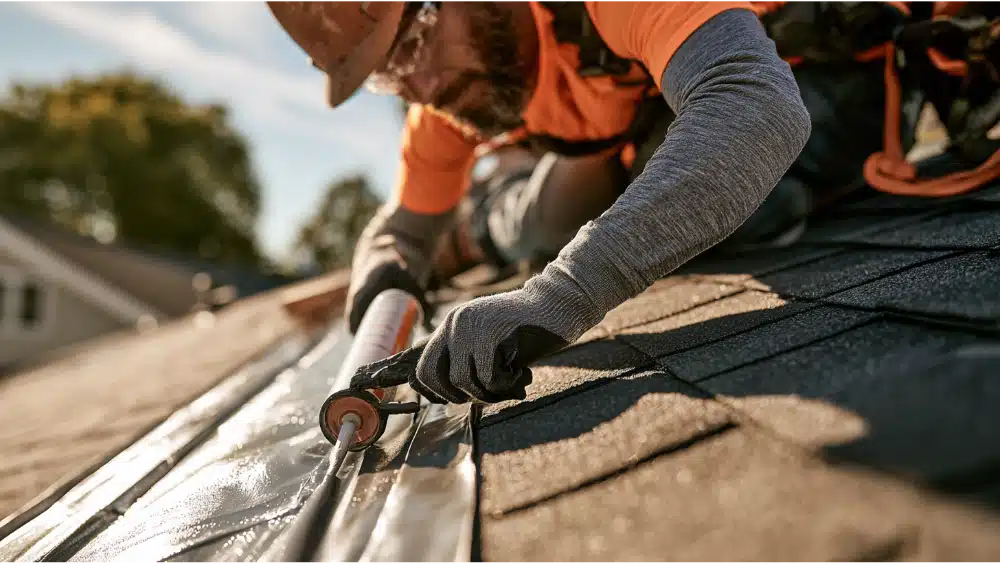
The tools are simple: a caulking gun, a utility blade, cleaner, a rag, and gloves.
- Trace the water path, not just the visible cracks.
- Identify both materials and check the data sheet to ensure compatibility.
- Remove the old bead where it has begun to tear, and clear debris.
- Clean the area and let it dry, since moisture causes most adhesion failures.
- Repair corrosion, damaged roofing, boots, and vents first.
- Prime if required, and use backer rod in wide joints.
- Apply the specified bead, then tool it smooth with a gloved finger or a brush before it begins to harden.
- Re-inspect after real weather.
Cure requirements vary. One flashing sealant lists a 20F to 120F application range with a 24-hour full cure. Cure times typically stretch in cool, damp weather, and ASTM C1521 traces adhesion failures to preparation and workmanship.
Should You Caulk a Roof Leak Yourself?
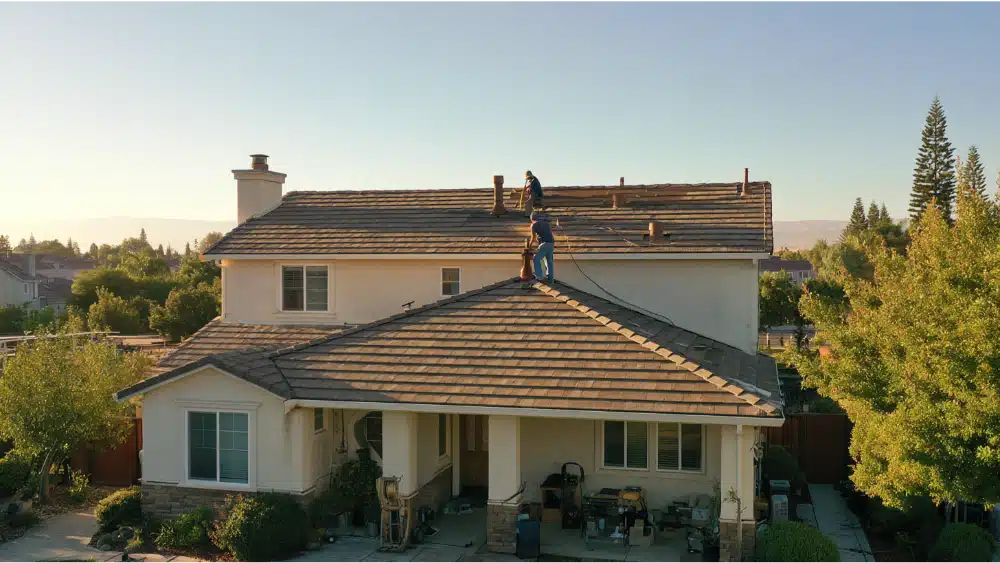
If you are interested in handling maintenance yourself, the most useful tips start on the ground: ceiling stains, attic moisture, and photos of displaced flashing taken from the yard. Roof access is another matter. Cal/OSHA requires employee fall protection on residential slopes from 0:12 through 7:12 at six feet or more, and at any height above 7:12. Those rules cover employees, not homeowners, but they explain why a steep or wet roof is not a weekend project.
Roof Caulking in Roseville and Northern California
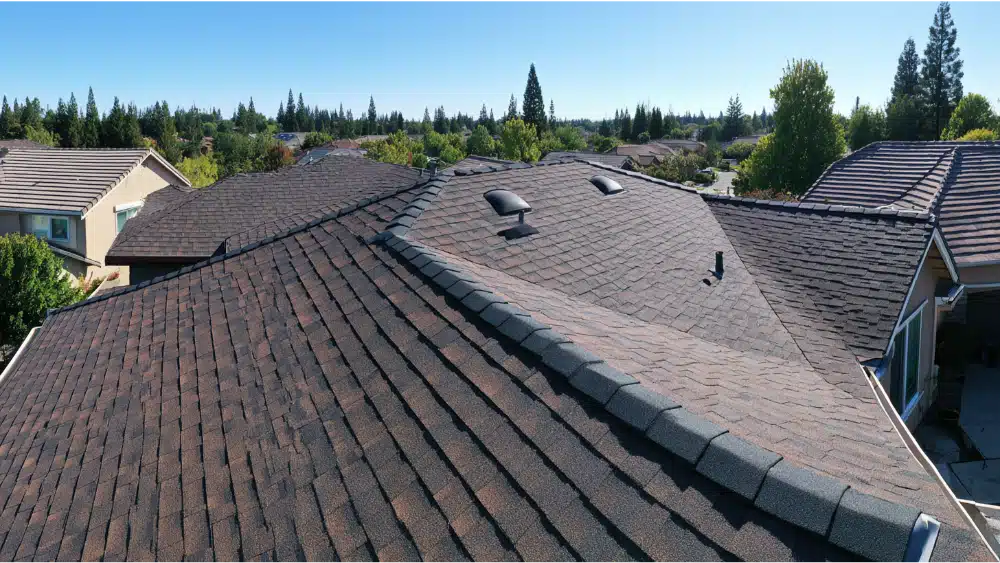
Hot summers and wet winters create two problems. Heat and daily thermal cycling age sealant and open joints, so UV resistant products earn their keep here. Winter rain narrows the window when conditions are ideal enough to apply and cure a bead at all.
The City of Roseville handles reroofing through its residential permit process. An isolated sealant repair is not specifically classified, so check with the city if the job grows into reroofing or structural repair, and we can help you navigate it. A CSLB license is required when a permit is needed or combined labor and materials reach $1,000, so verify anyone you hire at cslb.ca.gov. Cobex Construction Group holds CSLB License #1031864 and keeps an office at 503 Giuseppe Ct Ste 4 in Roseville.
Frequently Asked Question
How long does roof sealant last?
No universal figure exists. Beads on metal roofs are commonly cited in a 10 to 20 year range, but durability and lifespan shift with chemistry, movement, ponding water, and preparation. The benefits of the right product show up in year eight, not week one.
Talk to Us Before You Reach for the Caulking Gun
A cracked bead does not mean you need a new roof. It means someone should follow the whole water path before anything gets sealed, which is the most reliable way to prevent leaks. Done once, done right. Exterior work is all we do, our crews are in-house, and you will hear clearly what we find with no surprises. Request a free, no-obligation inspection online or call 916-745-6699.